
Ant Control: How to Decide Whether a DIY Approach Is Enough
A few ants may call for observation and basic housekeeping, while recurring trails, activity in multiple areas, or uncertainty about the source can make a professional assessment worth considering. Learn what to look for, what low-risk steps may help, and when to ask for ant control.
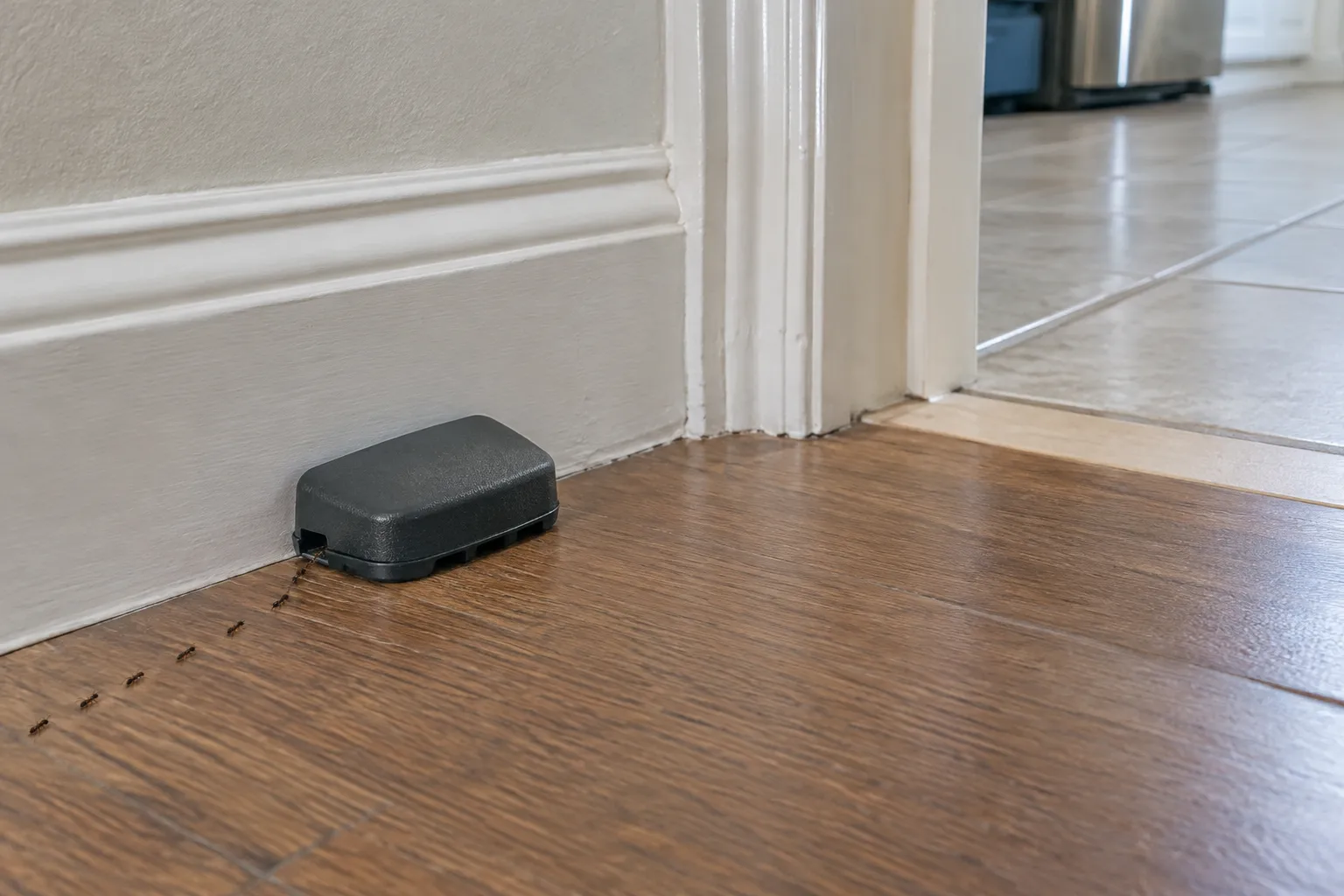
A DIY approach may be reasonable when you notice a small, isolated number of ants and can address an obvious food or access issue. Keep food and waste contained, note where ants travel, and see whether activity returns. Consider asking a pest control provider for an assessment if trails recur, appear in several areas, or persist despite practical housekeeping. The pattern can guide the next step, but sightings alone do not identify the species, nest location, or best treatment.
Start with the pattern, not just the count
One brief sighting is different from a trail that returns day after day. Ants may be following a route to food or water, entering through a gap, or coming from a nearby nesting area. A few visible insects do not show how large a colony is, and a quiet period does not prove the source is gone. Treat what you see as a clue to observe, rather than a diagnosis.
For a few days, note the room, approximate time, direction of travel, and whether ants are near food, a sink, a pet bowl, a window, or a doorway. Notice if the same route reappears after you clean the area. Avoid disturbing the trail just to investigate it. A simple record helps distinguish a one-off encounter from a recurring pattern and gives a provider more useful context if you decide to ask for help.
- Is activity limited to one brief sighting, or does it return?
- Are ants following a visible route or appearing in more than one area?
- Is there an accessible food, water, or entry-point clue nearby?
A recurring pattern is more informative than a single count.
When basic DIY steps may be enough
If activity is limited and you can identify an ordinary attractant, begin with housekeeping and observation. Wipe up crumbs and spills, store food in closed containers, empty indoor waste regularly, and avoid leaving pet food out when it is not being used. Address standing water or a small leak through the appropriate household maintenance process. These steps reduce access to food and water; they do not establish where ants are nesting.
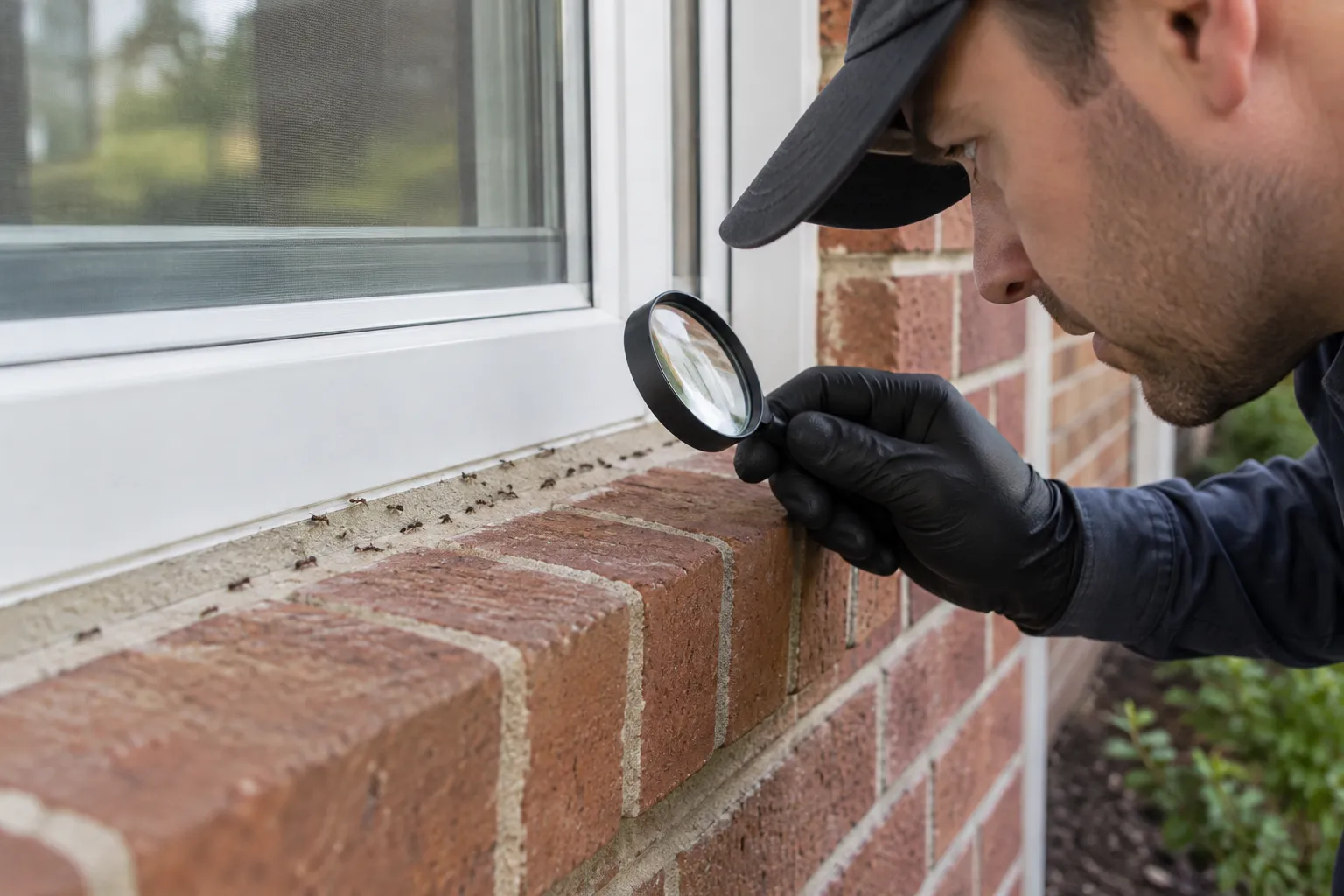
You can also observe likely routes without opening walls or moving heavy items. Look around window and door frames, baseboards, and places where pipes enter a room. Record a visible gap or maintenance issue and arrange an appropriate repair if needed. In a rental or shared building, report building conditions to the owner or manager rather than assuming the issue is confined to your unit. Recheck the area after ordinary cleaning and note whether activity changes.
- Remove accessible food residue and keep stored food closed.
- Note the route and nearby moisture or visible gaps.
- Observe whether activity returns, spreads, or stops.
Use simple prevention to reduce attractants, then reassess the pattern.
Signs it may be time to ask about service
A professional assessment may be useful when ants keep returning along the same route, appear in several rooms, or continue after you have addressed obvious food and water sources. Also consider asking for help if you cannot tell where they enter, if the activity is difficult to access, or if the ants’ appearance or behavior raises questions. These signs do not prove a particular infestation; they indicate that a closer, property-specific look may help clarify what is happening.
Some observations deserve a more careful conversation. Larger ants, unexpected wood debris, or activity around wood can have different explanations and should not be treated as proof of a particular pest. Avoid making repairs or applying products based only on a guess about the species or nest. If you are considering a pesticide product, follow its label and do not use it for a pest or setting it does not specify. If you are unsure what is appropriate, ask a qualified provider about the options for your situation.
- The same trail returns repeatedly or activity spreads to other areas.
- You cannot identify an apparent source or entry route.
- You have questions about larger ants, wood, or a proposed treatment.
Repeated or unclear activity is a reasonable point to request an assessment.
What to share when you contact a provider
A useful request can be brief and specific: identify the rooms involved, describe when and how often you see ants, and mention whether the activity follows a visible route. Share what you have already tried and whether it changed the pattern. If possible, take a clear photo without handling the insects. Mention any visible moisture, gaps, or nearby food sources, and note whether the property is a standalone home or a shared building.
Ask what the assessment is intended to check, what areas may need access, and how the proposed approach would address the conditions observed. You can also ask what preparation is needed and whether follow-up may be appropriate. The answers depend on the property and findings; an article or photo cannot confirm the source or determine a treatment plan. Multipest New York provides ant control information and invites property owners to discuss what they have noticed. For an overview, see the company’s ant control service page.
- Describe locations, timing, recurrence, and visible routes.
- Mention housekeeping steps or products already used.
- Ask about inspection scope, preparation, and possible follow-up.
Clear observations help make the first service conversation more useful.
Common questions
Does seeing a few ants mean I need service?
Not necessarily. A small, isolated sighting near an obvious food source may be worth monitoring after cleaning and storing food securely. The sighting alone cannot show whether a nest is nearby or whether activity will return. If you keep seeing ants, notice a trail, or find them in more than one area, record the pattern and consider asking a provider whether an assessment makes sense.
Should I try a store-bought product before calling?
You do not have to try a pesticide before asking for an assessment. Start with non-chemical steps such as removing accessible food residue and noting where ants travel. If you choose any product, use it only as its label directs and for the listed pest and setting; do not mix products or apply them based on a guess. A provider can discuss what may be appropriate after learning about the property and activity.