
Ant Control: How to Prepare for Service Around Food Storage and Pantry Areas
A practical guide to organizing pantry and food-storage areas before ant service: record where activity appears, keep food protected, and ask the provider which items need to be moved or covered. Preparation depends on the property and the proposed service, so confirm instructions before changing storage or cleaning affected areas.
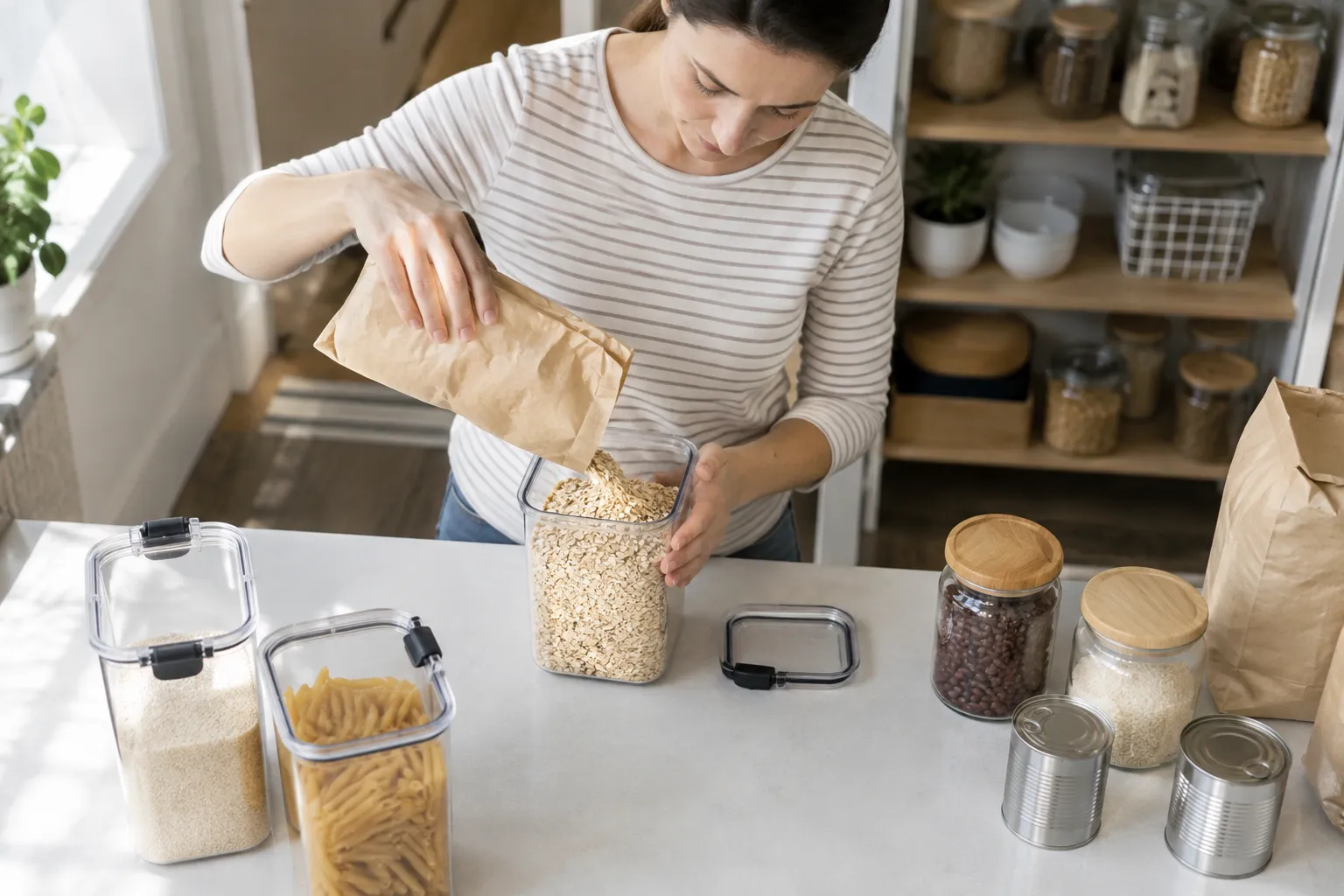
Before ant service, note where ants appear around food storage, keep food in closed containers, and ask the provider for property-specific preparation instructions. Do not assume every pantry needs to be emptied or that the same steps apply to every service. The planned approach and affected areas determine what should be moved, covered, or left accessible.
Start with observations, not a full pantry cleanout
Before moving items, make a quick record of what you have actually seen. Note whether ants are on a shelf, near a food package, along a cabinet edge, around a sink, or traveling between the pantry and another room. Include the date or approximate time and whether the activity has appeared more than once. These details help describe the pattern without assuming where a nest is or what treatment is needed.
If possible, take a clear photo of the ants or their route without disturbing them. Mark the location in plain language, such as “lower cabinet beside the pantry” or “counter near the cereal shelf.” Mention any food or water nearby and whether the route seems to return. Multi Pest’s ant-control information also recommends sharing where activity occurs and whether it repeats; an observation is useful context, not a confirmed identification or diagnosis.
- Record the room and exact storage area where you noticed activity.
- Note whether ants were near food, water, pet bowls, or a cabinet opening.
- Describe any products already used and where they were applied.
- Keep the observation separate from guesses about the source.
A concise record can help focus the conversation without requiring you to identify the ant or locate a colony.
Protect food while keeping the area understandable
As a general housekeeping step, close opened food packages and store them in sealed containers or another clean, protected location. Put away exposed dishes and utensils, and remove crumbs or spills when doing so will not erase the activity details you want to show. If ants are on a particular package, avoid placing that package with clean food; tell the provider what you found and ask how to handle it.
You do not need to empty every cabinet before you know what the service requires. A pantry may contain sealed staples, open packages, dishes, small appliances, or items that are difficult to move. Ask whether the technician needs a specific shelf or cabinet cleared, whether food should be relocated, and whether any surfaces should remain untouched until the area is assessed. Follow the instructions given for the planned service rather than applying a generic checklist to every home.
- Close or relocate exposed food and keep it apart from items with visible ant activity.
- Clear only the shelves or surfaces the provider asks you to make accessible.
- Leave a visible trail or affected spot undisturbed if you have been asked to show it.
- Do not place food, dishes, or utensils in an area scheduled for service unless the provider says it is appropriate.
The goal is to protect stored food and make relevant areas accessible, not to reorganize the entire kitchen without guidance.
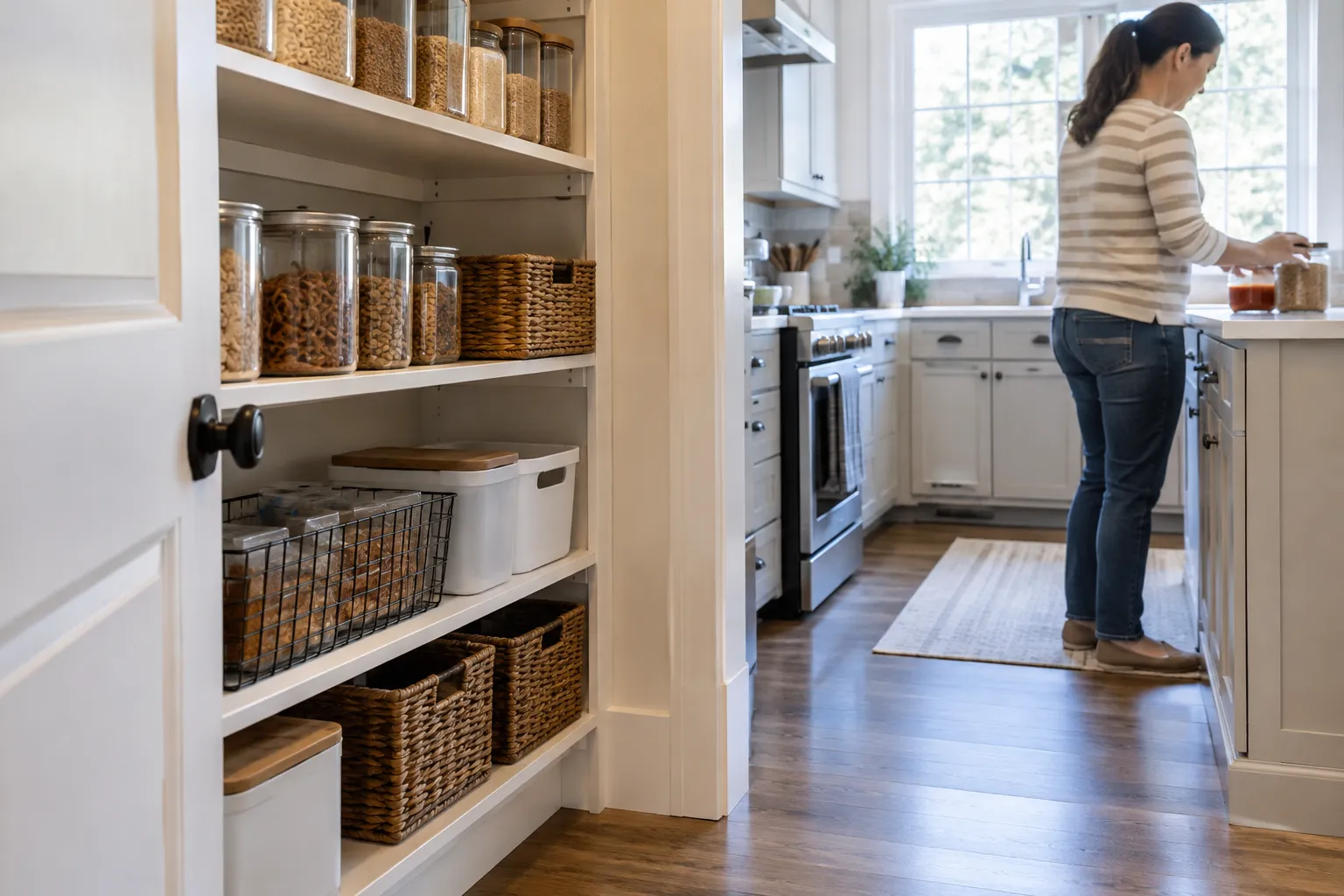
Ask what preparation applies to your proposed service
Preparation can differ with the affected location and the approach selected after discussion or inspection. Before the appointment, ask which pantry or cabinet areas need access, what should be removed or covered, and whether food containers or dishes can remain in nearby storage. Also ask whether you should clean a surface beforehand or wait until after the visit. These questions help avoid unnecessary work and reduce the chance of disrupting an area that would be useful to inspect.
If you rent or manage a property, coordinate access with the person responsible for the visit and share the same preparation instructions with anyone who uses the kitchen. In a business, consider who can move stock, who can provide access, and how to keep food-storage areas organized while the work is planned. The appropriate arrangements depend on the property and service scope; this article cannot determine treatment details or replace instructions from the provider.
- Describe the ant activity and identify the affected food-storage areas.
- Ask which shelves, cabinets, or nearby surfaces need to be accessible.
- Confirm what to move, cover, or leave in place, including food and utensils.
- Ask whether cleaning should happen before or after service.
- Share the final instructions with other household members, tenants, or staff who use the area.
Get instructions tied to the actual service plan instead of relying on assumptions about pantry preparation.
Use a simple example and confirm the next step
For example, imagine noticing a short line of ants beside an opened bag of sugar in a lower pantry cabinet. An illustrative preparation plan would be to note the cabinet location, take a photo if practical, close or separate the exposed package, and ask whether that cabinet should be cleared before the visit. The example does not establish the ant type, source, or treatment; those depend on the conditions at the property.
When you contact a provider, share the room, storage location, timing, whether activity has returned, and any products already used. Then ask what access and food-protection steps apply to the proposed service. Multi Pest provides ant control and invites customers to discuss where ants appear and what they have noticed. You can review its ant control service information and request a free estimate through the website form. The next step is a property-specific discussion, not a conclusion based on a checklist alone.
- I can describe where and when I saw ants.
- I have noted nearby food, water, and any products already used.
- Exposed food is closed or set aside appropriately.
- I have asked which areas to clear and what to cover or leave in place.
- Other people who use the pantry know the confirmed instructions.
Prepare the affected area thoughtfully, then let the provider clarify any steps that depend on the service plan.
Common questions
Should I empty every pantry cabinet?
Not automatically. Ask which specific cabinets or shelves need to be accessible for the planned service. Keep food protected, but avoid clearing unrelated storage unless the provider requests it. The answer can depend on where ants were seen and what approach is being considered.
Should I clean the ant trail before the visit?
Ask first if the trail or affected spot is useful to show. You can remove obvious food spills when appropriate, but avoid disrupting evidence you have been asked to preserve. Share a photo or a written location note if the activity changes before the appointment.