
Ant Control: What to Record When Ants Appear in More Than One Room
A practical checklist for documenting ant activity in several rooms: note locations, timing, visible trails, nearby conditions, and changes over time so you can describe the pattern when requesting service.
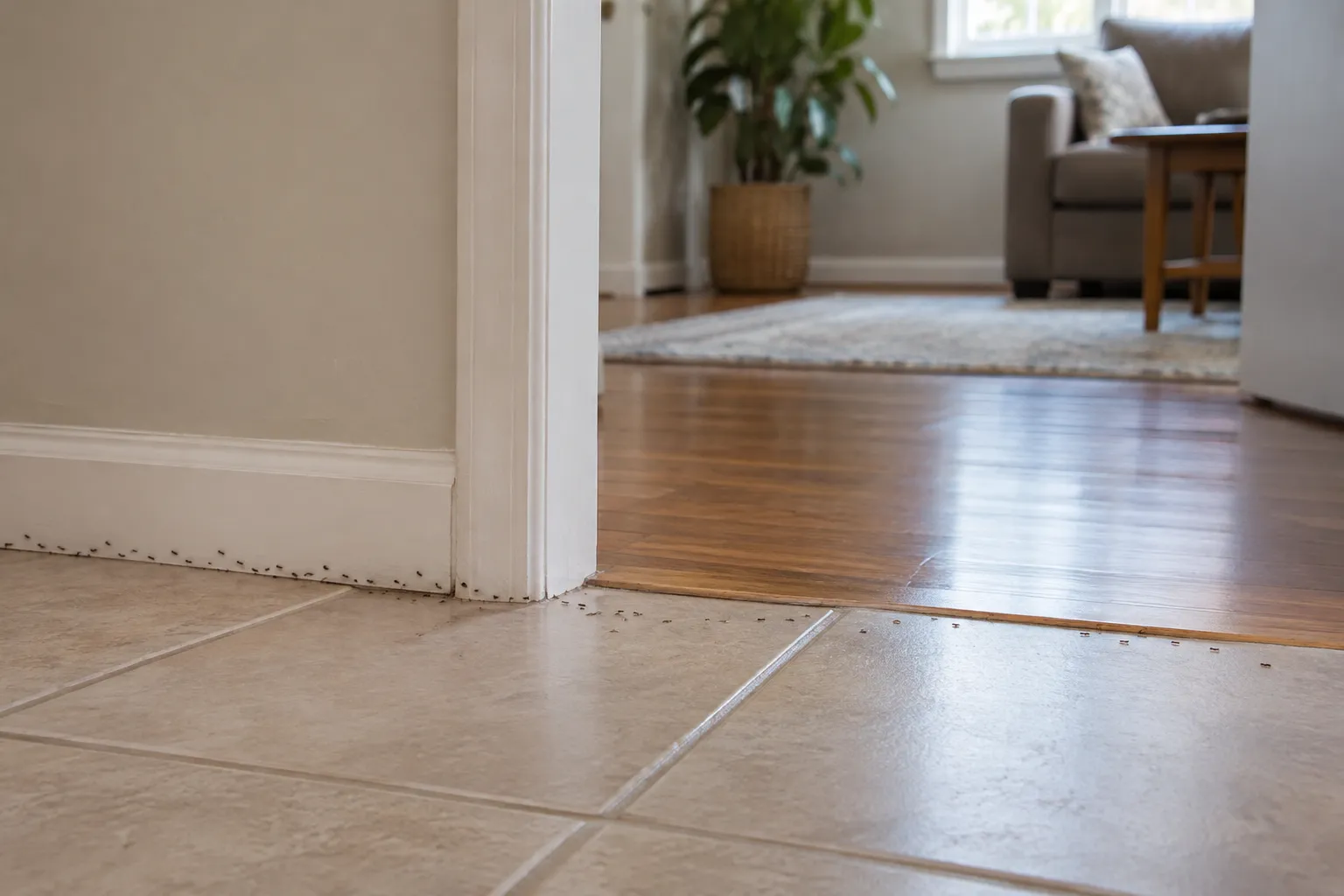
When ants appear in more than one room, record where and when you see them, what they are doing, and whether the pattern changes. A simple room-by-room log, a few photos taken from a safe distance, and notes about nearby food or moisture can help you describe the situation when requesting ant control. These observations do not identify the ant or confirm where it is entering; an inspection may be needed to assess the property and discuss next steps.
Make a room-by-room activity map
Start with a basic floor plan or a list of rooms. Mark each place where you have seen ants, including hallways, closets, bathrooms, kitchens, basements, and rooms that share a wall. Note whether the sighting was near a window, doorway, pipe, appliance, baseboard, or stored item. These are location descriptions, not proof of an entry point or nest.
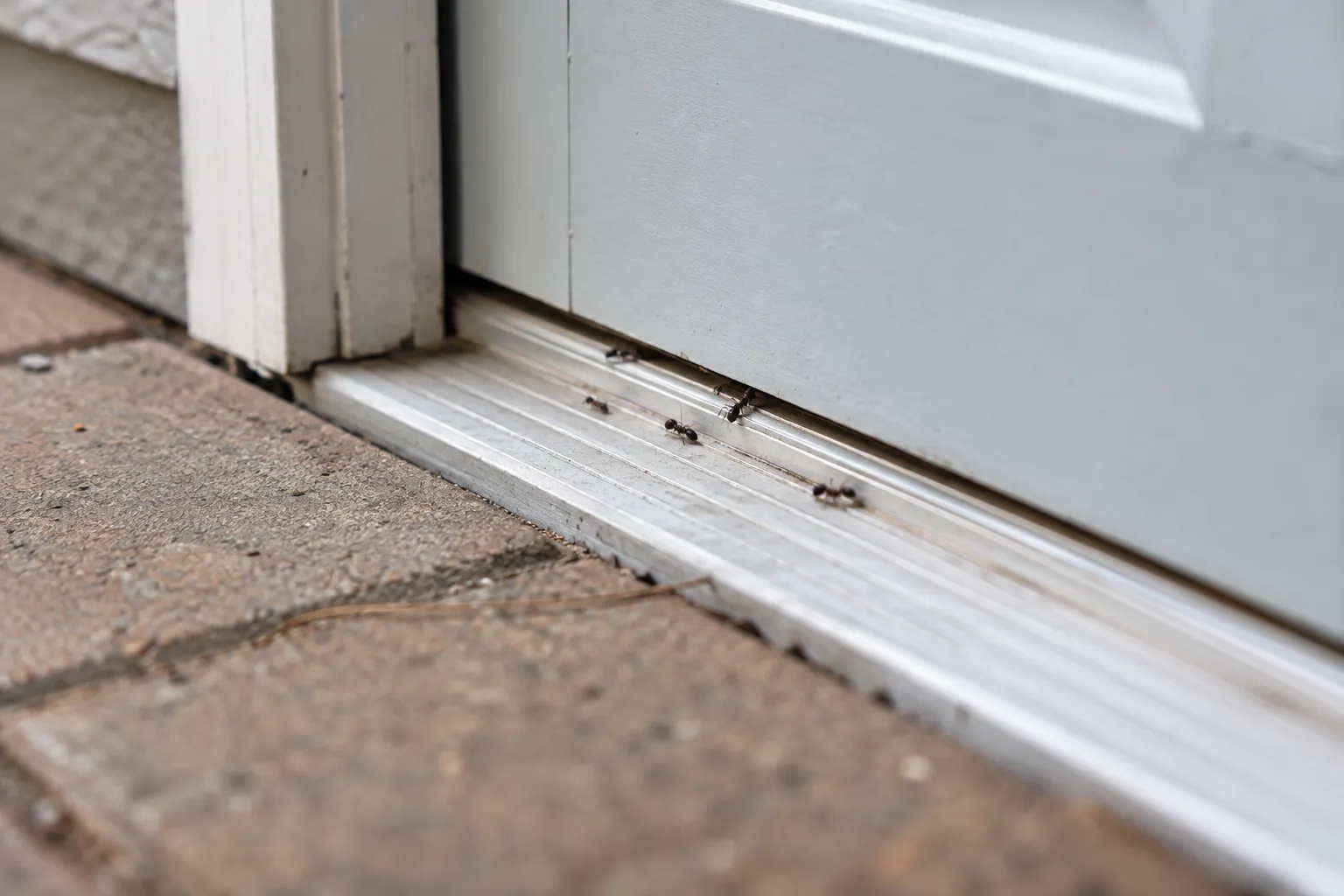
Keep separate notes for indoor and outdoor observations. If ants appear near an exterior door, for example, record both the indoor location and what you noticed outside, without assuming the two sightings are connected. In a multi-unit building, identify your unit and distinguish private rooms from shared spaces. Ask the property manager about access or reporting procedures for common areas rather than entering spaces you do not control.
- Room or area, with a specific landmark such as a sink or window.
- Approximate date and time, and whether the sighting was indoors or outdoors.
- What you observed: a single ant, several ants, or a visible trail.
- Nearby conditions you noticed, such as food, a bin, a damp area, or a door.
A clear location is more useful than a guess about the source.
Record timing and changes
Use the same short format each time: date, time, room, observation, and any relevant change since the previous note. You do not need to count every ant. If activity seems heavier or lighter, describe it in ordinary terms, such as “a few near the pantry” or “a trail along the bathroom baseboard.” Consistent descriptions make it easier to compare observations without implying a precise measurement.
Note whether sightings happen at a particular time or after an ordinary event, such as preparing food, taking out rubbish, or opening a door. Record what you actually observed, not a presumed cause. If you clean an area or move food into a sealed container, note the date and whether you later saw ants there. Avoid changing several conditions at once if you want to understand what changed; the pattern may still have more than one explanation.
- Write down the first date you remember seeing ants in each room.
- Add a brief entry when you notice a new location or a visible change.
- Use the same landmarks and plain-language descriptions each time.
- Keep the notes together so you can summarize the pattern when you contact a provider.
Capture useful details without overinterpreting
If practical, take a clear photo of the ants or their path from a comfortable distance. Include enough of the surrounding area to show the location, and avoid disturbing the insects just to get a closer image. A photograph can help communicate what you saw, but it may not establish the species, the source, or the appropriate treatment. Keep the written location and timing notes even if you have pictures.
Describe visible features cautiously. For instance, you can say that ants were moving along a counter edge or gathering near a window; avoid labeling them based only on a quick glance. Different signs can call for different responses, and an online description cannot replace a property-specific assessment. For general information about the service, see the page on ant control and identification.
- Useful: “Several small ants followed the counter edge near the sink at about 8 a.m.”
- Less useful: “The nest is definitely behind the wall.”
- Illustrative example only: If ants appear first by a kitchen window and later near a bathroom pipe, record both locations and dates. Do not assume the sightings share a route or source.
Describe what you can see; leave identification and source assessment open.
Prepare a concise service request
When you request service, summarize the affected rooms, when the activity began, whether you have noticed trails, and what has changed since the first sighting. Mention any previous pest treatment if applicable, and say whether the concern involves a shared building or areas that need access arranged. You can share relevant photos, but explain what each one shows and when it was taken.
A provider may need to ask follow-up questions or inspect the property before discussing options. The right next step depends on the signs, the spaces involved, access, and the property itself; notes alone do not determine a treatment plan. Multi Pest provides residential and commercial pest control in its service areas, and its West Hempstead page invites property-specific service requests. You can use the West Hempstead pest control page to describe what you have noticed and request an estimate.
- Exact locality and property type; in a shared building, include the unit.
- Rooms affected and the dates or times you observed activity.
- Visible trails, photos, and nearby conditions you actually noticed.
- Previous treatment, access considerations, and the best contact for shared spaces.
A concise, factual summary helps start a property-specific conversation.
Common questions
Should I wait until I see ants again before contacting a provider?
You can request service based on the observations you already have; there is no need to wait for a particular number of sightings. Share when and where you saw ants and whether the activity has changed. If you are unsure what the insects are, describe them and ask whether an inspection is appropriate. A photo may help explain the observation, but it does not confirm identification or the source.
What if I see ants in a shared hallway or another unit?
Record the location and time, and report the observation to the person responsible for the building or shared area. Do not assume that activity in separate units has the same source. If you request pest control, explain which areas you observed and who can arrange access. The property manager or provider can clarify what spaces may need to be discussed or inspected.