
Cockroach Control: How to Keep a Useful Activity Log Between Visits
A practical guide to recording cockroach sightings between service visits: note when and where activity occurs, what you observed, and what has changed. A consistent log helps you describe patterns and discuss follow-up with a pest control provider, while keeping observations separate from conclusions.
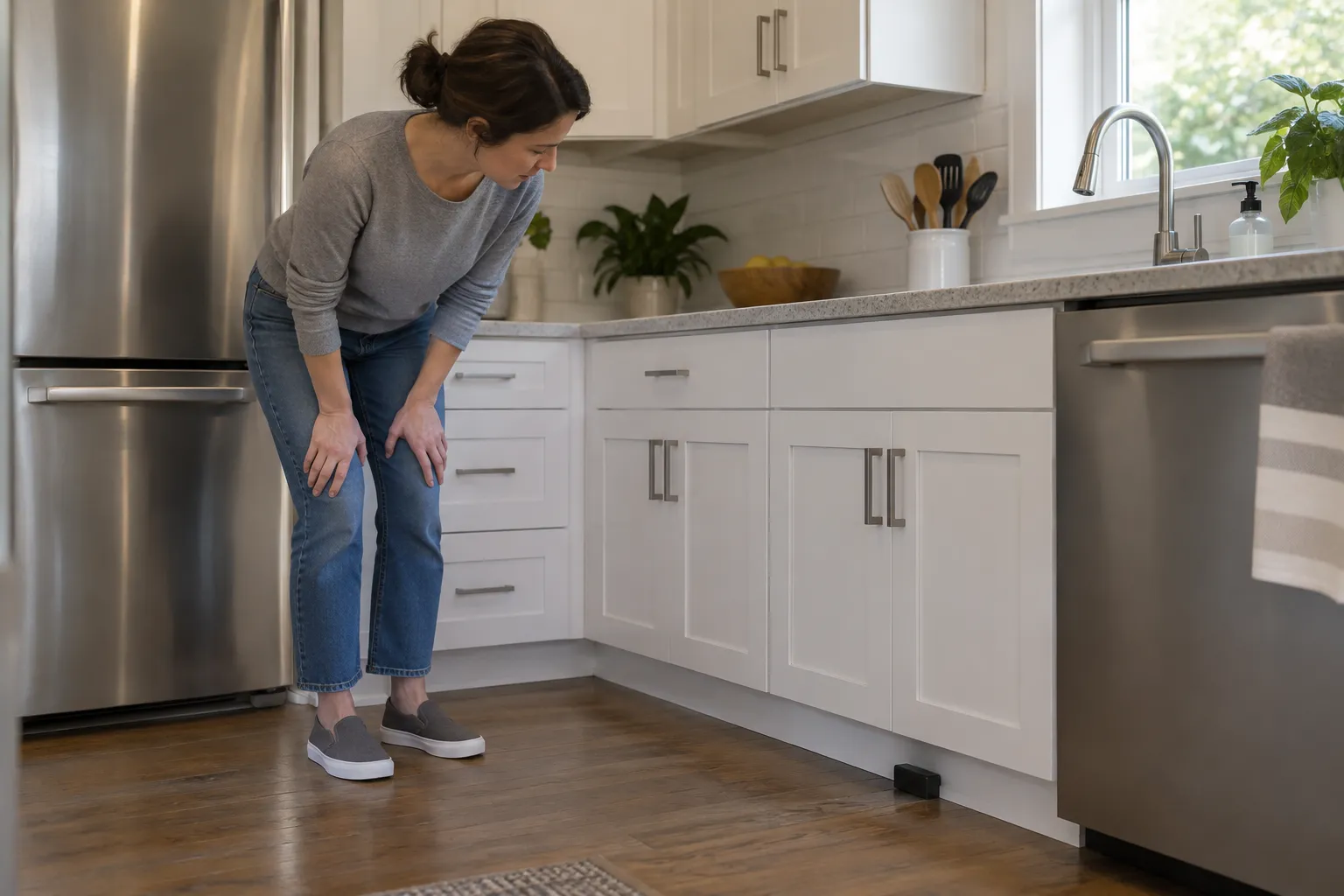
Keep a simple, dated record of each observation: the room or shared area, approximate time, what you saw, and any relevant change since the last entry. Note whether the sighting was repeated, whether signs appeared in another area, and whether you have already used a product or changed storage or cleaning routines. Stick to what you observed rather than guessing at the source or species. Bring the log to your next visit or share a concise summary when asking about follow-up. It can help guide a discussion, but it cannot identify the cause or determine a treatment plan on its own.
Make each entry specific and easy to compare
A useful log is consistent, not elaborate. Choose a notebook, phone note, or simple table that you can update without disrupting your routine. Use one entry for each observation, and record the date and approximate time as soon as practical. If you are unsure of the exact time, say so; an honest estimate is more useful than false precision. Keep the same room names throughout, such as “kitchen,” “bathroom,” or “hallway,” so later entries can be compared.
Describe what you actually noticed. For example, record “one small insect on the floor beside the refrigerator at about 9 p.m.” rather than “a nest behind the refrigerator.” The second statement assumes a source that you may not have seen. If you are uncertain whether an insect was a cockroach, write “possible cockroach” and describe its appearance only if you can do so without handling it. A written observation is not a confirmed identification, and a log should not replace an inspection.
- Date and approximate time, including whether the observation was during the day or evening.
- Exact room or shared area, plus a nearby landmark such as a sink, cabinet, or appliance.
- What you saw: an insect, droppings, shed material, or another sign, described without guessing.
- Whether it was moving, still, or no longer visible when you returned to look.
- Anything that changed since the previous entry, including a new room or a different pattern.
Use the same simple details each time; consistency makes the record easier to discuss.
Track patterns without drawing conclusions
Keep the record neutral if activity seems to increase or decrease. Instead of writing “the treatment failed,” note the dates and locations of sightings before and after the visit, and ask the provider how to interpret the pattern. Activity can vary for reasons that are not apparent from a single observation. The provider may need to consider the property, access, and other conditions before discussing next steps. If there is no activity during a period, record that only if you have been checking consistently; a quiet interval is not proof that the issue is resolved.
The log documents observations over time; interpretation and follow-up decisions require context.
Record changes and share them clearly
Add a short note when something relevant changes. Examples include a leak being reported, food storage being moved, a room becoming accessible, or a new observation near an appliance. You do not need to document every household task. Focus on changes that may help someone understand the setting or compare conditions between visits. If you used a product or tried another control measure, record what it was and when, if known. Do not add a new pesticide or alter an existing plan based only on the log; ask the provider about appropriate next steps.
Photographs can sometimes help communicate what you saw, but only take one if it is easy to do and does not require touching or disturbing the insect or suspected evidence. Add the date, room, and a brief description so the image remains connected to the right entry. A photo may be unclear or may not show enough detail for identification. Do not treat a picture as confirmation, and do not delay reporting a recurring concern just to obtain one.
- Before the visit, review the latest entries and group them by room or shared area.
- Prepare a short summary: where activity was observed, whether it recurred, and what changed.
- Mention any products or other measures used, along with relevant access or maintenance concerns.
- Ask what observations would be useful to continue recording and how to report activity between visits.
Share a concise pattern and the underlying observations, not a conclusion about the cause.
Use the log to plan a useful follow-up conversation
A practical update can be brief: “I recorded sightings in the kitchen on Monday evening and again near the bathroom sink on Thursday morning. I have not seen activity in the other rooms. I also reported a leak under the sink.” This is an illustrative example, not a report of an actual property or service result. It gives a provider locations, timing, recurrence, and a relevant condition without claiming to know the source.
For a cockroach concern, share the record with the provider and ask how it fits the inspection and any agreed follow-up plan. Multipest New York provides residential and commercial pest control across Long Island and New York City; the appropriate next step depends on the property and observations. Its cockroach control service information describes discussing affected rooms, inspection, treatment, preparation, and follow-up. Confirm any visit-specific instructions directly rather than relying on a general article.
- Which rooms or shared areas should I keep noting?
- What changes or signs should I report before the next visit?
- How should I share new observations, and whom should I contact?
- Are there preparation or access instructions for my property?
Bring the log to the conversation and ask how to record anything that remains unclear.
Common questions
Should I record a day with no sightings?
You can note a period without sightings if you have been checking regularly and want to keep the timeline complete. Include the dates covered and, if useful, the areas you checked. Avoid treating a quiet period as proof that activity has ended: observations depend on when and where you look. Ask the provider whether continued monitoring or a particular reporting method is appropriate for your situation.
What if I see activity in a shared area?
Record the shared area, date, approximate time, and what you personally observed. If someone else reported it, label it as a report rather than your own sighting. Notify the appropriate building contact according to your usual process, and share the information with the provider if relevant. A shared-area observation may need coordination beyond one apartment, but the log alone cannot determine the source or responsibility.