
Cockroach Control: What Should a Service Scope Cover in Residential and Commercial Spaces?
A useful cockroach-control scope should identify the property and affected areas, describe what will be inspected and addressed, clarify access and preparation, and explain how follow-up will be handled. Residential and commercial plans may differ because their layouts, operating routines, and shared spaces differ. Use the questions and examples below to discuss a property-specific approach before work begins.
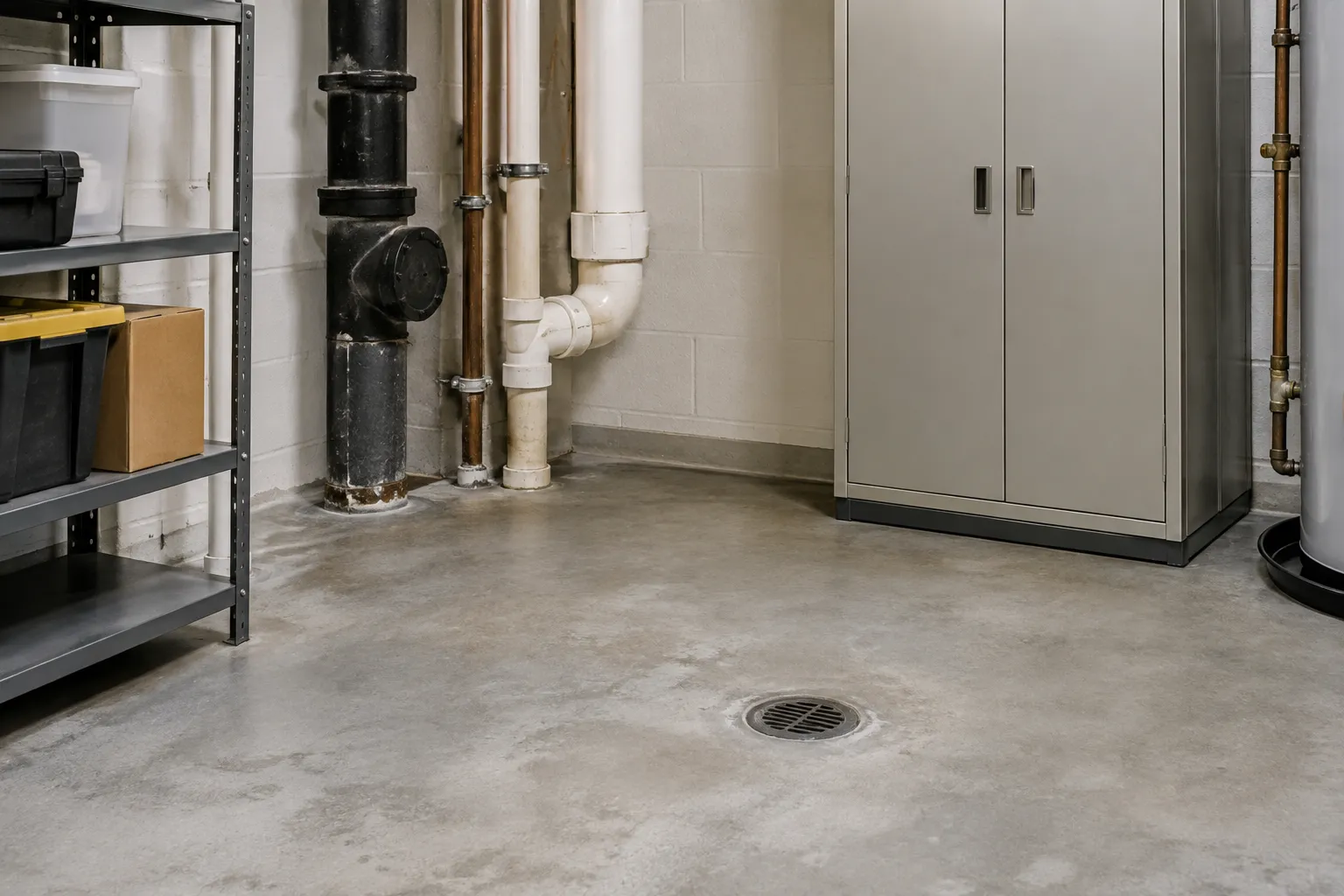
A cockroach-control service scope should make clear which areas are affected, what the provider plans to inspect, what work is proposed, what access or preparation is needed, and how follow-up will be discussed. For a home, that may mean identifying rooms and nearby plumbing or appliance areas. For a business, it may also mean coordinating around operating hours, food storage, and shared spaces. The right scope depends on the property and observations; ask for details in writing before deciding.
Start with the property and activity pattern
A scope is easier to evaluate when it begins with a clear description of the site rather than a broad request to treat “the building.” Share whether the property is a detached home, apartment, multi-unit building, restaurant, office, or another type of workplace. Note which rooms or work areas are involved, whether they connect to shared corridors or utility spaces, and who can arrange access. These details help a provider discuss what can reasonably be assessed and whether coordination with another person or manager may be needed.
Describe what you have observed without assuming that one sighting proves the extent or source of activity. Useful details include the date, approximate location, whether sightings recur, and whether you noticed signs such as shed skins or small droppings. Mention nearby sinks, plumbing, appliances, storage, or waste areas if relevant. If you have already used a product or arranged prior service, say what and where, if known. These observations guide a conversation, but they do not replace an inspection or confirm a diagnosis.
- Identify the property type, affected rooms, and any adjoining or shared areas.
- Describe when and where activity was noticed, including whether it has recurred.
- Mention access limits, operating routines, and any previous treatment or product use.
A precise description helps define what the provider should assess; it does not establish the cause or extent on its own.
Define inspection and treatment boundaries
Ask which areas are included in the proposed inspection and which are outside its scope. In a home, the discussion may cover kitchens, bathrooms, cabinets, appliance surroundings, and accessible plumbing or entry routes. In a commercial property, relevant areas could include food preparation or storage zones, employee spaces, receiving areas, and shared service spaces. The provider should explain what is accessible, what requires permission, and whether any area needs a separate visit or coordination. Do not assume that inspecting one room automatically includes adjoining units or common areas.
The proposed work should distinguish inspection from treatment and describe the areas or conditions it is intended to address. Ask what approach is being considered for the observed activity and why it fits the property. If the plan depends on access, sanitation, moisture conditions, or building features, ask how those factors affect the scope. A service description should also make clear whether exclusion or repairs are included, recommended separately, or not part of the proposal. The details depend on the inspection, so avoid treating a general description as a property-specific plan.
- Which rooms, storage areas, and shared spaces are included?
- What will be inspected, and what proposed work corresponds to the findings?
- Are repairs, sealing, or other building work included or separate?
The scope should name the areas and work being discussed, not leave the boundaries implied.
Plan access and preparation around real operations
Preparation should be specific to the proposed work and the spaces involved. Ask which counters, cabinets, closets, or under-sink areas need to be accessible, and whether items should be moved or covered. Confirm who is responsible for preparing each area and when it needs to be ready. Do not empty every cabinet or move heavy appliances based on a general assumption; ask the provider what is needed for the inspection or treatment being considered. If a requested preparation step is unclear, pause and ask for clarification before proceeding.
Commercial sites may need to coordinate access with staff, tenants, cleaning teams, or a building manager. Discuss hours when rooms can be entered, areas that must remain available for operations, and how food, supplies, or equipment should be handled according to the provider’s instructions. In a residence, identify pets, occupants, and rooms that may be difficult to access, then ask whether that changes the plan. Any product-specific directions, including when people may re-enter an area, should come from the provider and be confirmed for the proposed service rather than inferred from a generic article.
- Request written, area-specific preparation instructions.
- Confirm who provides access and how business or household routines affect scheduling.
- Ask how to handle food, supplies, occupants, and re-entry under the proposed plan.
Preparation is part of the scope: clarify responsibilities and instructions before the service date.

Clarify follow-up and compare proposals
Before accepting a proposal, ask what happens after the initial visit. Find out how continuing activity should be reported, whether a follow-up assessment is part of the proposal or discussed separately, and what observations would help the provider review the situation. Ask how the scope may change if inspection findings differ from the initial description. A clear answer does not predict a particular outcome; it explains the process for communicating and deciding on next steps. Results can vary with property conditions, access, and the pattern of activity.
For example, imagine a small café reports occasional sightings near a sink and a storage shelf. This is an illustrative scenario, not a report of a client project. A useful discussion would identify those locations, ask whether nearby service spaces are accessible, clarify preparation around stored supplies, and establish how staff should report later observations. A home with activity in a bathroom and kitchen might need a different access discussion. In either case, compare proposals by their stated areas, work, preparation, exclusions, and follow-up—not by an assumed promise that every property needs the same treatment.
- Ask how to report new observations and what details to include.
- Check whether follow-up is included, conditional, or a separate discussion.
- Compare the written scope, exclusions, preparation, and communication process.
Choose a proposal you can understand: the boundaries, responsibilities, and next steps should be clear.
Common questions
Should a commercial scope include shared spaces?
Ask the provider to name any shared corridors, utility areas, storage rooms, or adjoining spaces that are included or excluded. Access and responsibility may involve a building manager or other occupants. Do not assume a visit to one business unit covers the rest of the property; clarify permissions and coordination before scheduling.
What if activity continues after service?
Follow the reporting instructions provided for the proposed service. Record where and when activity is noticed and whether the location or pattern has changed, then contact the provider to ask how it affects the next step. The appropriate follow-up depends on the scope and property conditions, so avoid assuming that a particular number of visits or a fixed outcome applies.