
Cockroach Control: What to Include When Requesting an Estimate
Prepare a clearer cockroach-control request by noting where and when you have seen activity, which rooms are affected, what you have already tried, and any access or scheduling details. These observations help a provider discuss an inspection and possible next steps; they do not confirm the pest or determine a treatment plan.
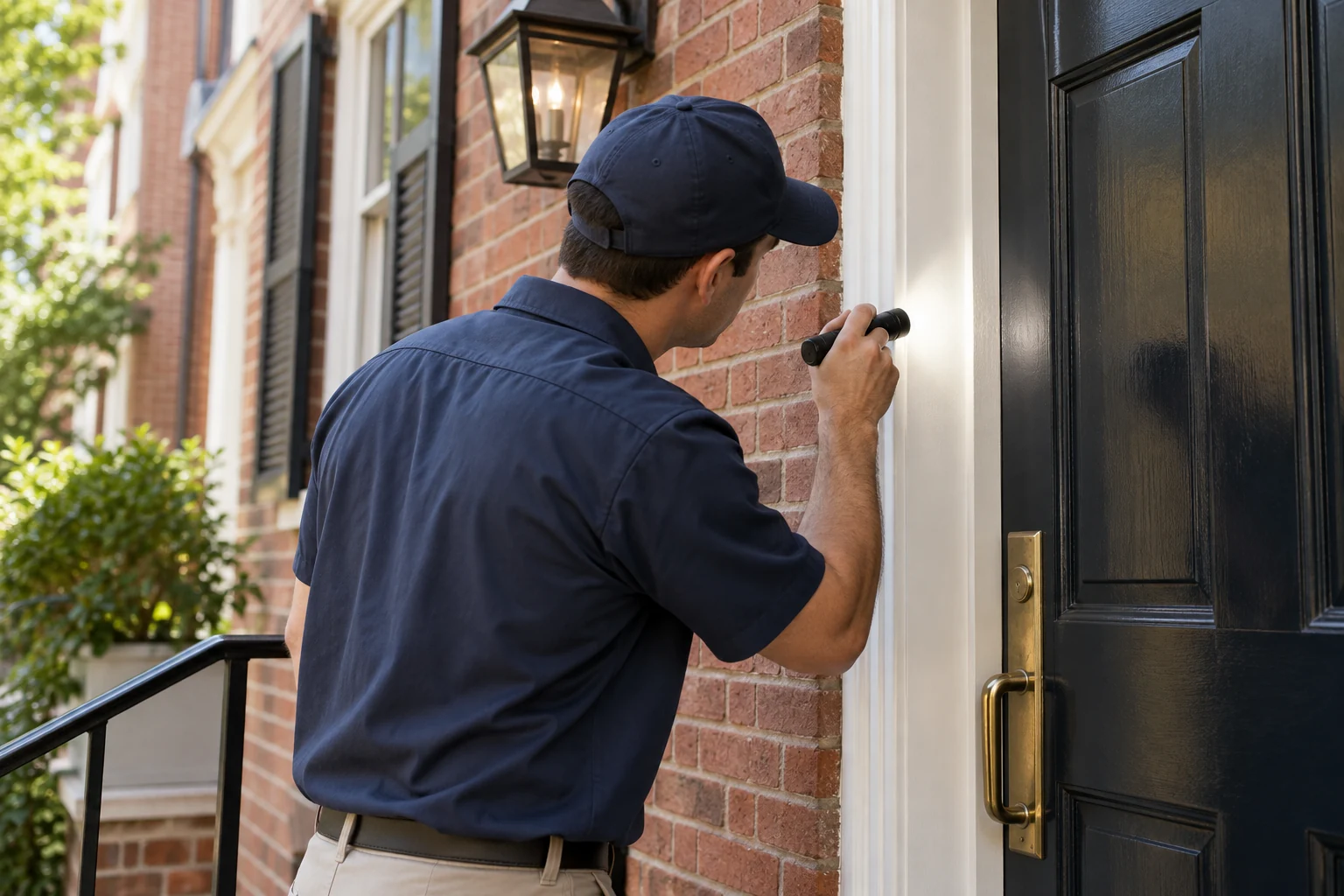
When requesting a cockroach-control estimate, share the rooms and locations where you have noticed activity, when and how often it appears, and any signs you can describe. Mention previous treatments or products, relevant access limits, and whether the property has shared spaces or adjoining units. These details help the provider decide what to ask and discuss an inspection; they do not establish the species or guarantee a particular plan. For service details, visit the cockroach control page.
Describe what you noticed
Be specific about the observation rather than trying to diagnose the cause. Note whether you saw a live insect, shed skin, an egg case, or small dark marks, and describe the location. If you are unsure what a sign is, say so. A brief description is more useful than a confident guess about the species, because several kinds of evidence can look similar to a non-specialist.
Record when the activity occurred and whether it seemed occasional or repeated. Include the time of day if you remember it, and say whether sightings happen in one spot or in different places. A simple note on your phone can help you recall details during a call. If you have a clear photo taken from a comfortable distance, you can ask whether it would help; do not handle insects or disturb suspected hiding places just to get a picture.
- What you saw, described plainly
- The date or approximate time and whether it has happened more than once
- The exact room or area, such as beside a sink or near an appliance
- Any visible signs nearby, without moving heavy items to search
Report observations, not a diagnosis.
Map affected rooms and conditions
A simple room-by-room list is often enough. You could write: “Kitchen: one sighting near the sink on Monday evening; bathroom: no sightings; hallway: one sighting last week.” This is an illustrative example, not a report of an actual property or a claim about what caused the activity. The purpose is to make the request concrete while leaving identification and assessment to the inspection.
- Room or shared area
- Where in the room you noticed activity
- Any observed moisture, openings, or nearby food storage
- Whether other occupants have noticed activity, if known
Share prior steps and property details
Tell the provider about any pest-control products or services already used, including roughly when they were used and where, if you know. Keep containers or product information available only if it is easy and safe to do so; do not apply additional products simply to prepare for an estimate. Prior treatment can affect what questions are useful, and an accurate account helps avoid treating an incomplete description as the whole history.
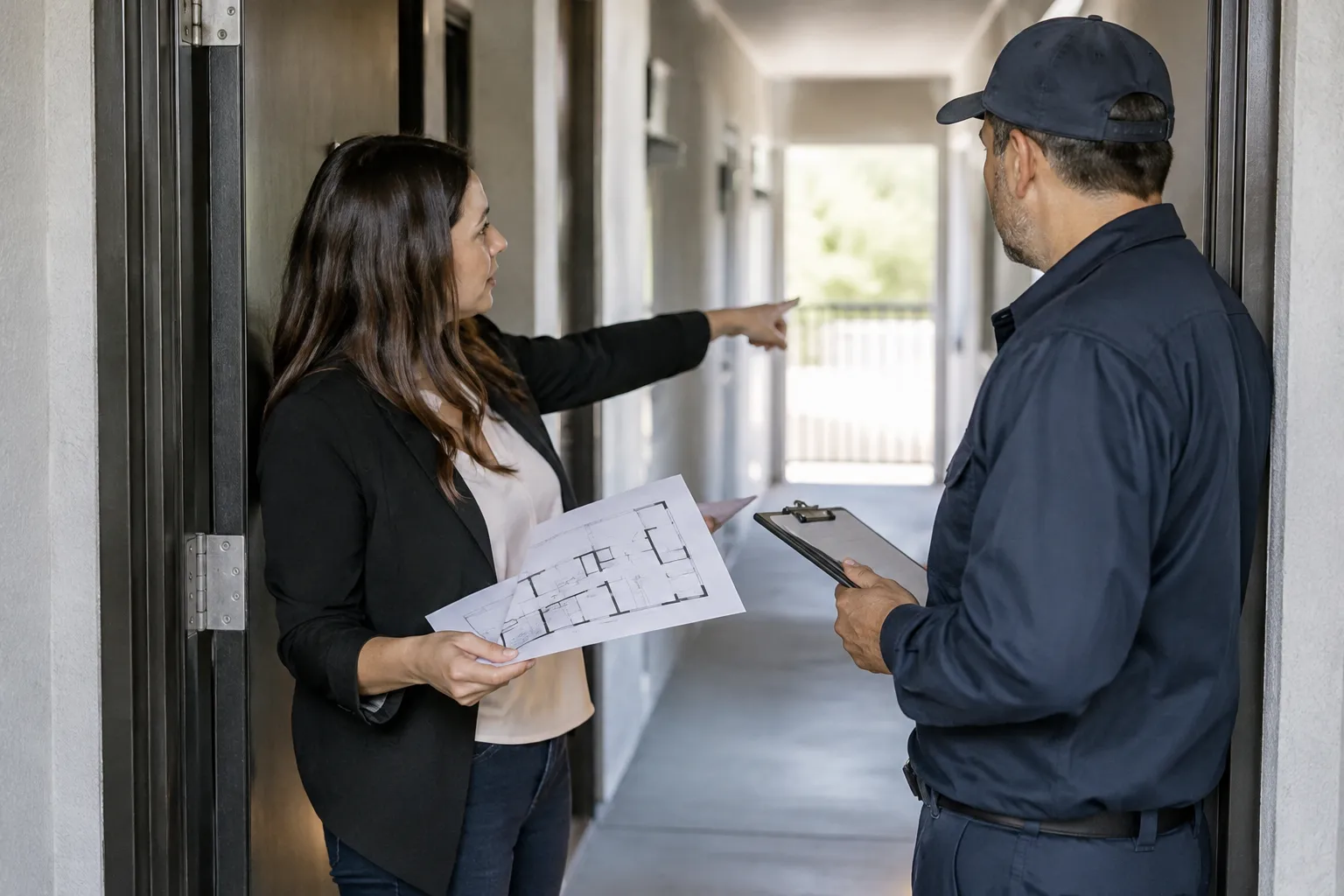
Include practical details that may affect a visit: the property type, the best way to arrange entry, rooms that are usually locked, and any scheduling constraints. If you rent, live in a managed building, or are contacting the provider on behalf of a business, say who can approve access and coordinate with occupants. Requirements and responsibilities can differ by building and situation, so clarify who should be involved rather than assuming one person can authorize every step.
- Property type and the areas you can make available
- Previous pest-control products or services, if any
- Who can arrange entry or coordinate with occupants
- Scheduling limits and any areas that are not accessible
Share relevant history and access facts; let the provider explain what preparation, if any, applies.
Ask what the estimate covers
An estimate is easier to compare when you understand what each provider is proposing. Ask whether the next step includes an inspection, which areas would be assessed, and how the recommendation will be explained. Ask what the quoted scope includes, whether follow-up is part of the proposal, and what could change the scope after the property is reviewed. The answers depend on the property and the provider’s assessment, so avoid comparing a brief phone estimate with a more detailed proposal as if they covered identical work.
You can also ask what to do before a visit and what not to move or clean until you receive instructions. Preparation can depend on the rooms, the inspection, and any proposed treatment. Do not assume that emptying cabinets, moving appliances, or clearing every room is necessary. Ask how to report continuing activity and whom to contact with questions after the visit. A clear explanation of the next step is more useful than a broad claim about what will happen.
- Describe sightings, locations, and timing.
- Share property, access, and prior-treatment details.
- Ask what the estimate includes and whether an inspection is needed.
- Confirm any preparation and how follow-up questions should be handled.
Compare the proposed scope and next steps, not just the estimate format.
Common questions
Do I need to know the cockroach species?
No. Describe what you saw and where, and say when you are uncertain. A photo may be useful if you already have one, but do not handle an insect or search in inaccessible areas to identify it. An observation can guide a discussion, but it is not a confirmed identification or a substitute for a property-specific assessment.
What should I do if I rent or manage a building?
Mention your role and who can arrange access or coordinate with other occupants. If activity may involve shared areas or more than one unit, describe what you know without assuming the source. Building procedures and responsibilities vary, so ask the property manager or owner how to coordinate the request and confirm who should receive the provider’s findings.