
Cockroach Control: When Does One Sighting Call for a Professional Assessment?
One cockroach sighting does not confirm an infestation, but repeated activity, sightings in different rooms, or signs near likely hiding places can make a professional assessment a sensible next step. Learn what patterns to watch for, what to record, and how to describe the situation when requesting cockroach control.
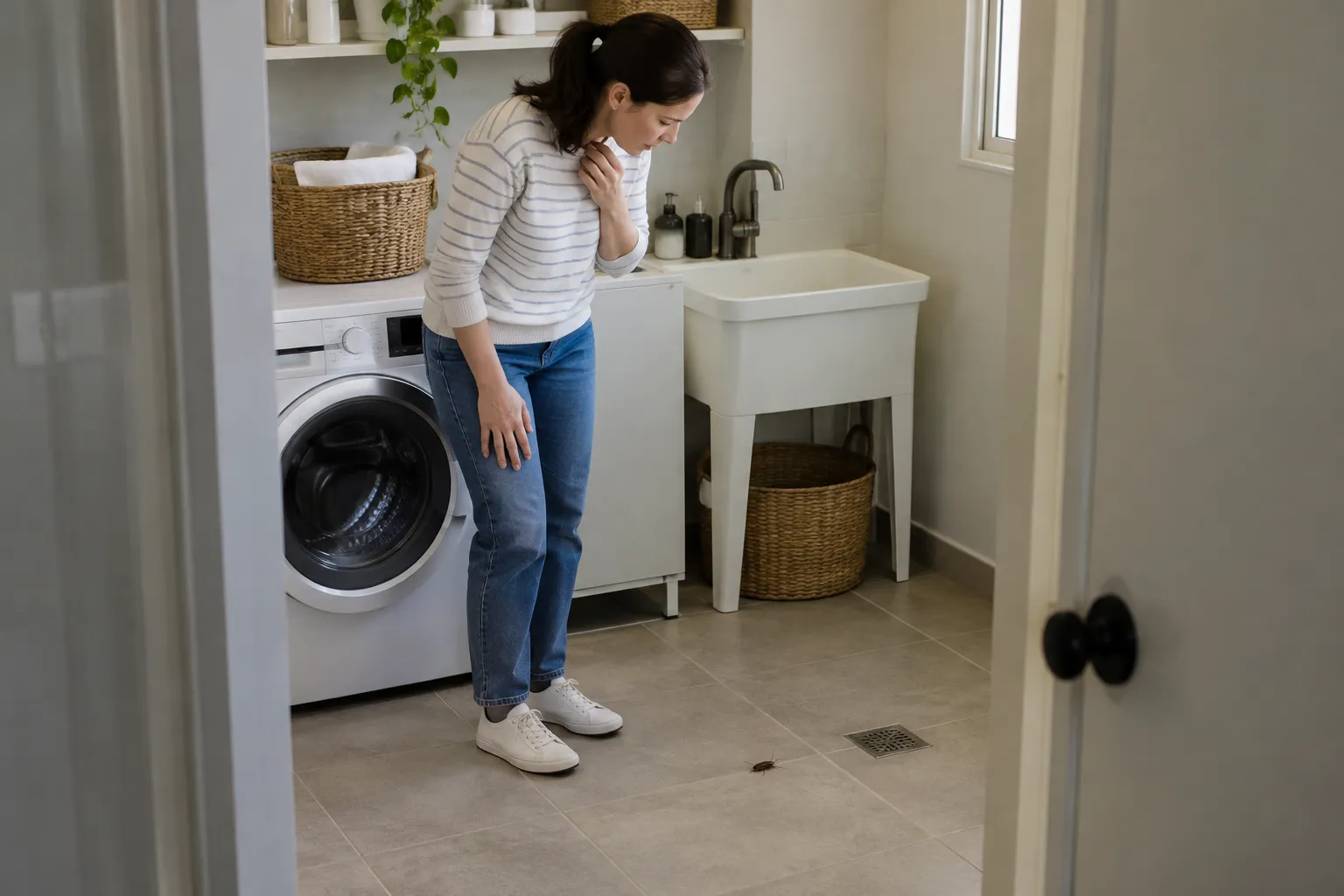
A single cockroach sighting is a reason to pay attention, not proof of an infestation. Consider requesting a professional assessment if sightings recur, appear in more than one area, or are accompanied by other signs such as droppings or shed skins. Note where and when you see activity, then share those details with a pest professional. An inspection can help assess the specific property; an article or one observation cannot confirm the pest or determine the right treatment.
One sighting versus a recurring pattern
An isolated sighting may have several explanations: an insect could have entered from outside, moved through a shared space, or been disturbed from a hiding place. The sighting alone does not establish how many insects are present, where they came from, or whether activity is ongoing. If you can do so without handling the insect, note its appearance and location. A clear photo may help describe what you saw, but it is not a confirmed identification.
The pattern over time is more useful than a single moment. Pay attention to whether you see another insect, whether activity appears in the same place or a different room, and whether observations happen at similar times. Repeated sightings near kitchen or bathroom fixtures, appliances, cabinets, or plumbing are useful details to report, but location alone does not prove a source. If you are unsure whether the insect was a cockroach, say so rather than treating the identification as certain.
A sighting is an observation; a recurring pattern is a stronger reason to ask about assessment.
Signs and patterns that support a call
Consider contacting a pest professional when sightings recur over several days, appear in multiple rooms, or involve more than one insect at a time. Other observations may also be relevant, including small dark specks, shed skins, or egg cases. These signs can be difficult to identify and may have other explanations, so describe them rather than assuming what they mean. A professional can discuss whether an inspection is appropriate for the property and what areas may need attention.
The threshold for asking a question does not have to be a confirmed infestation. If the activity is recurring, appears in a shared building, or is difficult to locate, an assessment can help clarify what is happening and what next steps fit the space. For a home or business in the Hempstead service area, the cockroach control service page explains how to describe the property and request an estimate. The scope and recommendations depend on the property and observations.
- Repeated sightings, rather than one isolated observation.
- Activity noticed in more than one room or area.
- Possible droppings, shed skins, or egg cases that need identification.
- A shared building or nearby space that may affect access or coordination.
What to record before requesting an assessment
A concise record helps you explain the pattern without trying to diagnose it yourself. Write down the date and approximate time, the room or area, and whether the insect was moving, still, or found near a particular feature. Note whether the observation was indoors or outdoors and whether it was a single insect or several. If you take a photo, keep it as supporting context; do not rely on it as a substitute for an inspection.
Also mention any earlier sightings, previous pest-control visits, and whether the activity has changed. In a multi-unit property, identify the unit and any shared area involved, and say who can arrange access. Avoid disturbing suspected hiding places just to look for more evidence. A practical example: a resident sees one insect near a kitchen sink, then notices another in a nearby cabinet two evenings later. That pattern is more useful to report than a vague statement that there are “bugs,” but it still does not establish the extent or source.
- Record the date, time, and exact room or area.
- Describe what you saw, including how many insects and any other signs.
- Note whether observations have repeated or spread to another area.
- Share the property type, unit details, access considerations, and prior service if relevant.
What an assessment can and cannot tell you
An assessment is a property-specific step: the professional can discuss the reported activity, inspect relevant areas as appropriate, and explain possible treatment and prevention options. The findings may differ from what a resident expects based on one sighting. The inspection’s scope, access, and any recommended follow-up should be discussed for the actual property rather than assumed in advance.
A single sighting cannot establish the number of cockroaches, confirm a breeding site, or show whether activity is limited to one room. Likewise, a photo or general online description cannot determine a treatment plan. If no further activity appears, continue noting observations and seek advice if the pattern changes. If sightings recur or signs appear in additional areas, share the record and ask what inspection or next step is suitable. Multipest New York provides residential and commercial pest control across Long Island and New York City; service details and estimates are discussed for the property.
Describe what you observed and ask for a property-specific next step; do not treat one sighting as a diagnosis.
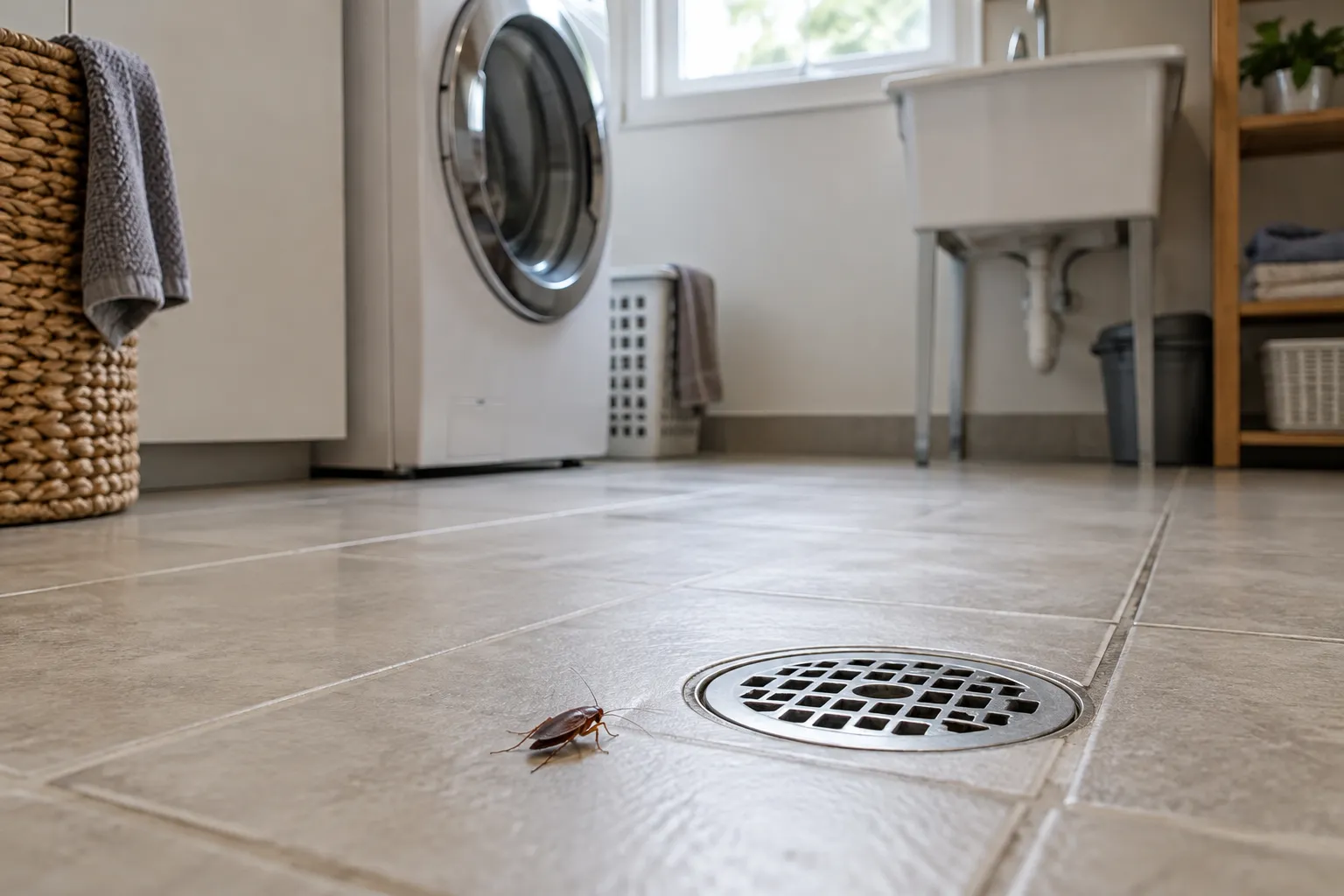
Common questions
Should I call after seeing one cockroach?
You can ask a pest professional for guidance after one sighting, especially if you are uncertain about identification or the property has other relevant observations. One insect alone does not confirm an infestation. Record where and when it appeared, then watch for recurrence or activity in other areas. If the pattern continues, request an assessment and share your notes.
What should I share when requesting cockroach control?
Give the property address and type, the rooms or areas involved, when you first noticed activity, and whether sightings have repeated. Describe any possible droppings, shed skins, or egg cases without assuming their identity. Mention previous service and access needs, including shared spaces if relevant. These details help the provider discuss an appropriate assessment; they do not predetermine the findings or treatment.