
Heat Assault Bed Bug Treatment: How to Plan Around Shared Walls and Neighboring Units
In a multi-unit building, planning Heat Assault bed bug treatment means clarifying which areas may need assessment, who can coordinate access, and how residents will receive preparation instructions. Learn what to share with a provider and building manager, what remains property-specific, and how to request a next step without assuming neighboring apartments need the same treatment.
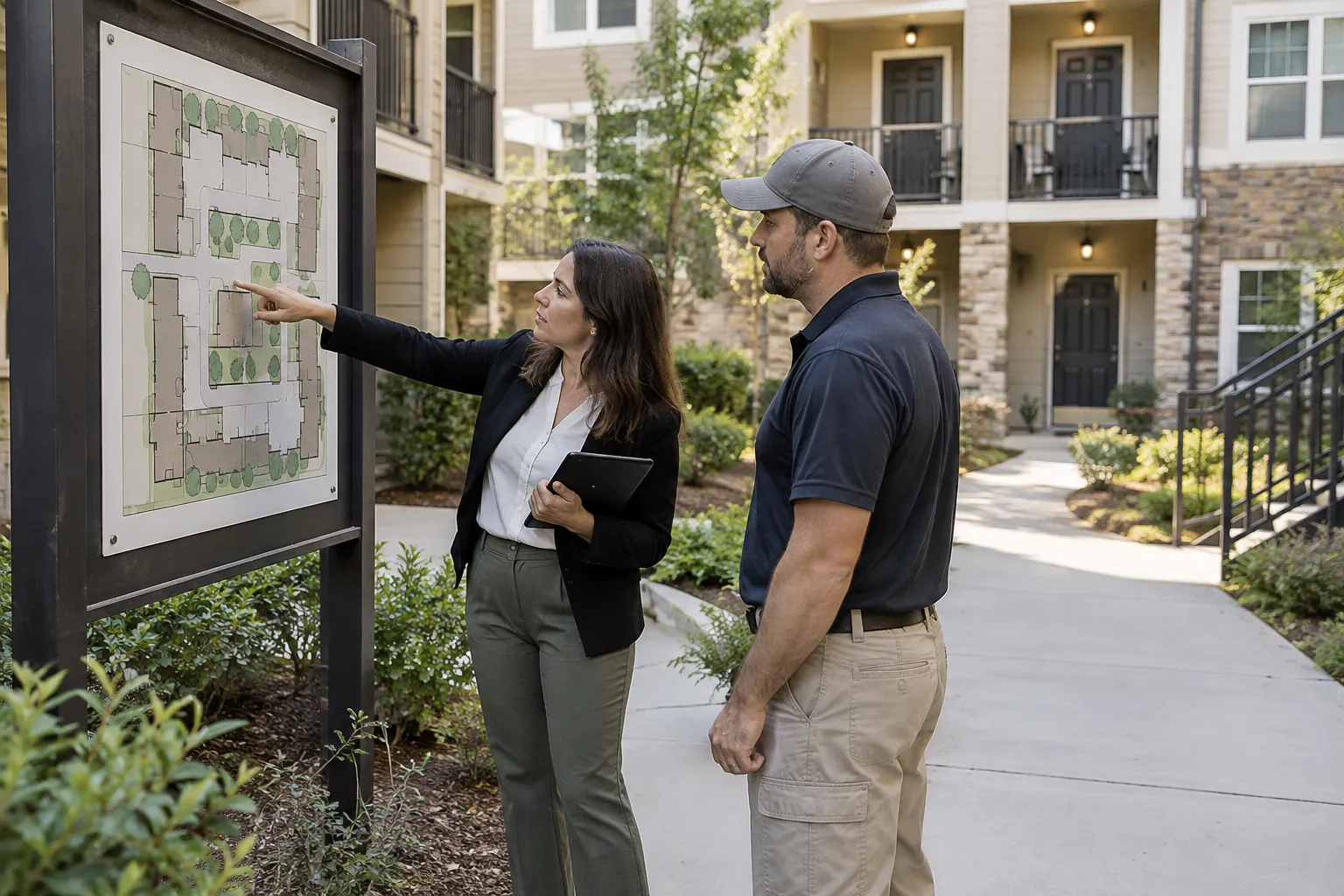
Before arranging Heat Assault bed bug treatment in a building with shared walls, tell the provider and building manager where activity has been noticed and ask how adjacent units will be assessed. Do not assume that every nearby apartment needs treatment, or that treating only one unit will address every possible source. The appropriate scope depends on an inspection and the property. Agree on access, resident communication, preparation instructions, and follow-up before setting a treatment plan.
Why shared walls change the planning conversation
Bed bugs can move between living spaces, including through openings around connecting pipes and wiring. In a multi-unit building, activity reported in one apartment can make it useful to consider nearby units, but it does not establish that those units are infested. A professional assessment helps distinguish what is known from what still needs checking. The building layout, reported observations, and access available all matter.
Heat Assault is a bed bug heat treatment offered by Multi Pest. Whether it suits a particular property, which areas are included, and what preparation is needed are confirmed for that property. Heat treatment in one apartment should not be described as a building-wide plan unless the provider has assessed and agreed to that scope. For service details, review the Heat Assault bed bug treatment information.
Treat neighboring-unit coordination as an assessment question, not an assumption about where pests are present.
Coordinate observations, access, and communication
Start by recording the location and date of each observation in your own unit. Note whether it was a live insect, a possible sign, or a report from someone else; avoid presenting an unconfirmed identification as fact. If you can do so without disturbing the area, a clear photo may help explain what you noticed. Share the information with the building manager and the pest professional, and keep a copy for your records.
Ask management who will contact residents in adjacent apartments and how access will be arranged if an inspection is recommended. Depending on the building, relevant areas may include units beside, above, below, or across the hall. That is a discussion about where to assess, not a direction to enter another resident’s home or to treat it without permission. A manager can help coordinate access and share consistent updates while respecting residents’ privacy.
- Record where and when activity was noticed, and distinguish direct observations from secondhand reports.
- Ask who will coordinate access to nearby units if the professional recommends checking them.
- Confirm how residents will receive property-specific preparation and scheduling information.
- Agree on one contact for updates so observations and access arrangements are not lost between conversations.
Clear communication helps the provider assess the situation while keeping access and treatment decisions with the appropriate people.
Clarify the proposed scope before preparing
Before a visit is arranged, ask what the initial assessment covers and whether the provider recommends checking any neighboring spaces. Ask what observations led to that recommendation and whether access to those spaces is needed before a treatment plan can be discussed. If access is unavailable, ask how that limitation affects the assessment and what alternative next step is appropriate. The answer may differ from one building to another.
If heat treatment is proposed, request written, property-specific preparation instructions and ask which rooms or belongings are included. Confirm how the treatment area will be defined, what residents should do before the appointment, and what instructions apply afterward, including any re-entry guidance. Do not rely on a generic checklist from another property: preparation can depend on the treatment plan and the items present. Avoid moving belongings between apartments while the plan is being clarified, since that can complicate tracking where items came from.
- Share your observations and explain which units or common areas are accessible to the manager.
- Ask the provider what areas should be assessed and what access is needed to make that assessment.
- Review the proposed treatment scope and obtain preparation and after-treatment instructions for the property.
- Coordinate resident notices and appointment logistics with management before confirming the plan.
A useful plan states what is being assessed, what access is available, and what residents need to do next.
Keep the plan realistic and property-specific
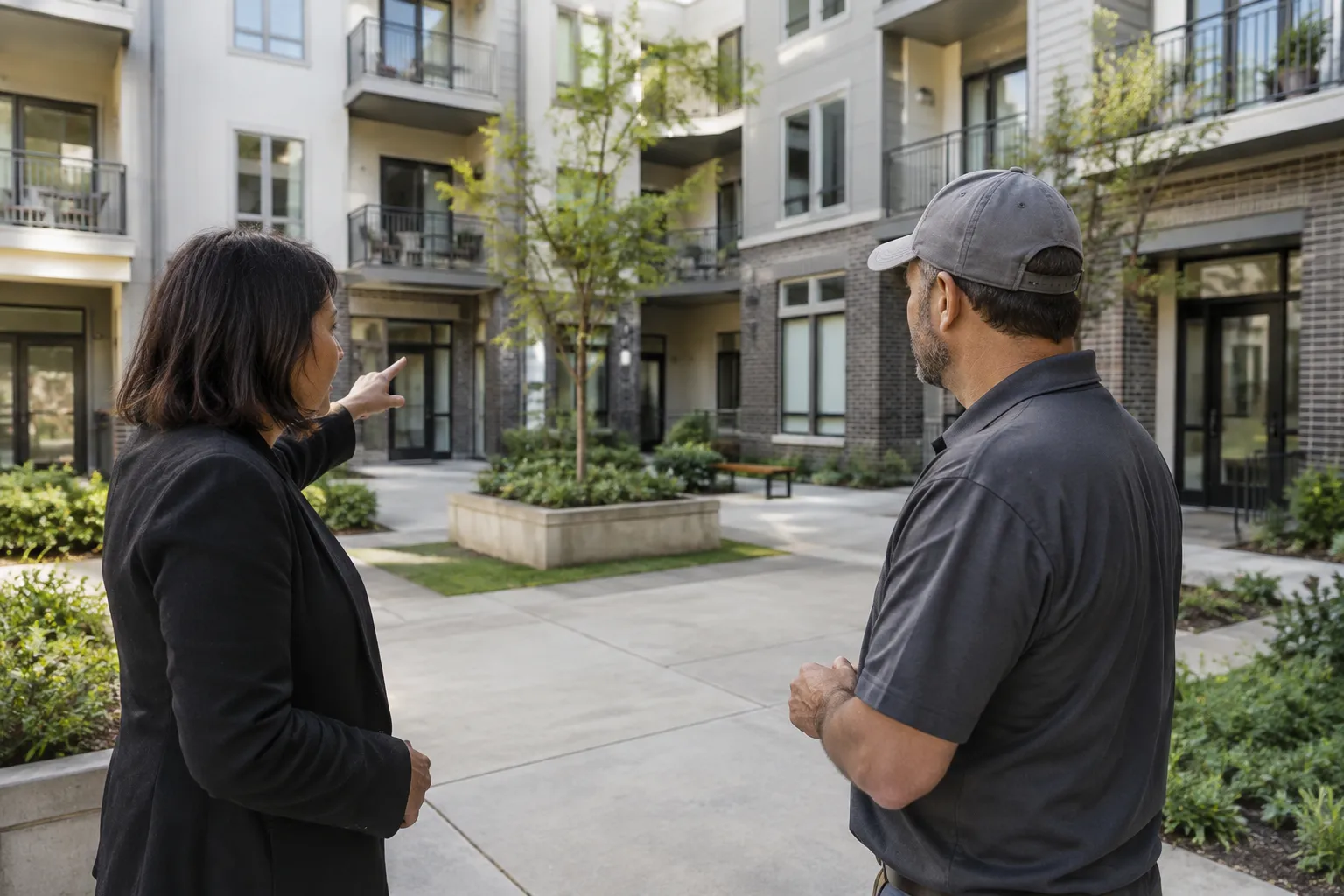
A heat treatment plan for one apartment is not automatically a plan for the whole building. If signs are reported in more than one unit, share each report separately and ask how the professional will evaluate the pattern. If no neighboring resident has reported activity, that does not prove there is none; it also does not justify assuming that every unit needs treatment. The inspection and the agreed scope should guide the next decision.
For example, imagine a resident notices a possible bed bug near a bedroom wall shared with another apartment. The resident records when and where it appeared, tells management, and asks the provider whether nearby units should be assessed. Management then coordinates any access and communicates the provider’s instructions. This is an illustrative planning example, not a claim about an actual building or a prediction that neighboring units will require treatment.
Keep a simple record of dates, locations, access attempts, and instructions received. If a resident cannot follow a preparation step or a unit cannot be accessed, tell the provider before treatment rather than improvising. The provider can explain whether the limitation changes the proposed scope or timing. For a property-specific discussion, request a [free estimate for Heat Assault](https://multipestnewyork.com/#heat-assault) and describe the building type, affected area, and access questions.
Results and next steps vary with the building, observations, access, and treatment plan; confirm each decision with the provider.
Common questions
Should neighboring apartments be treated too?
Not automatically. Nearby units may be relevant to assess, but whether they need inspection or treatment depends on the observations, building layout, access, and professional assessment. Ask the provider which spaces they recommend checking and why, then coordinate access through building management.
What should I tell the provider when I request an estimate?
Share the affected room or area, when and where you noticed activity, whether the identification is confirmed, and whether management can coordinate access to nearby units. Mention any access limits and ask what assessment, preparation, and follow-up information will be provided. Multi Pest accepts estimate requests through its website; the proposed approach is property-specific.