
Pest Control for a New Home: What to Check Before Moving In
A practical guide for buyers and renters preparing to move: what to observe, what to ask the owner or manager, and how to arrange a property-specific pest inspection without mistaking clues for a confirmed infestation.
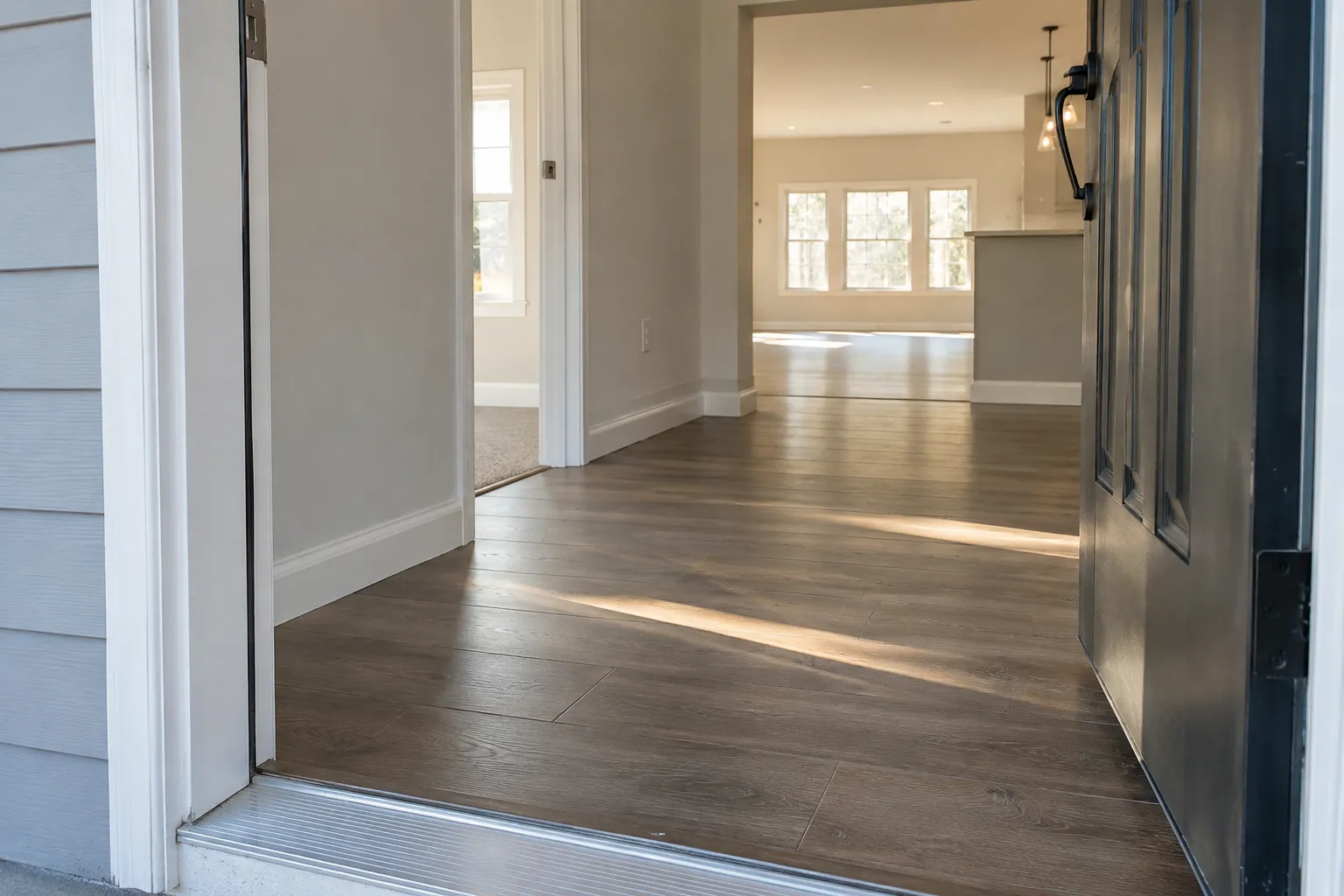
Before moving in, look for visible signs of pest activity, note where and when you find them, and ask the owner or manager about prior concerns and any planned inspection or treatment. These observations help a pest professional assess the property, but they cannot confirm that pests are present or absent. Keep the handover practical: document what you see, clarify who will arrange access and follow-up, and agree on next steps before furniture and belongings arrive.
Start with a calm, systematic walkthrough
If you can visit before move-in, walk through the home in daylight and take notes rather than trying to diagnose what you see. Check accessible areas where food, water, warmth, or shelter may be available: the kitchen and pantry, bathrooms, laundry area, basement or storage space, and the edges of rooms. Look for visible insects, droppings, gnaw marks, discarded wings, damaged packaging, or gaps around pipes and doors. A single mark or old-looking trace is not proof of an active problem; record its location and condition instead of disturbing it.
Pay attention to patterns and context. For example, a few small insects near a window may have a different explanation from repeated sightings near stored food, but appearance alone may not identify the pest. Note whether the area was recently cleaned, whether a window or door was open, and whether the property is vacant or occupied. If you see something concerning, take a clear photo from a safe distance and write down the room, approximate location, and date. Avoid moving heavy appliances or opening sealed building areas just to search.
- Record the room and exact area where you noticed a sign.
- Note whether it appeared once or has been seen repeatedly, and when.
- Photograph visible evidence without handling or relocating it.
- List areas you could not access, such as locked storage or a closed utility space.
Observations help guide an inspection; they are not a diagnosis.
Check the details that shape an inspection
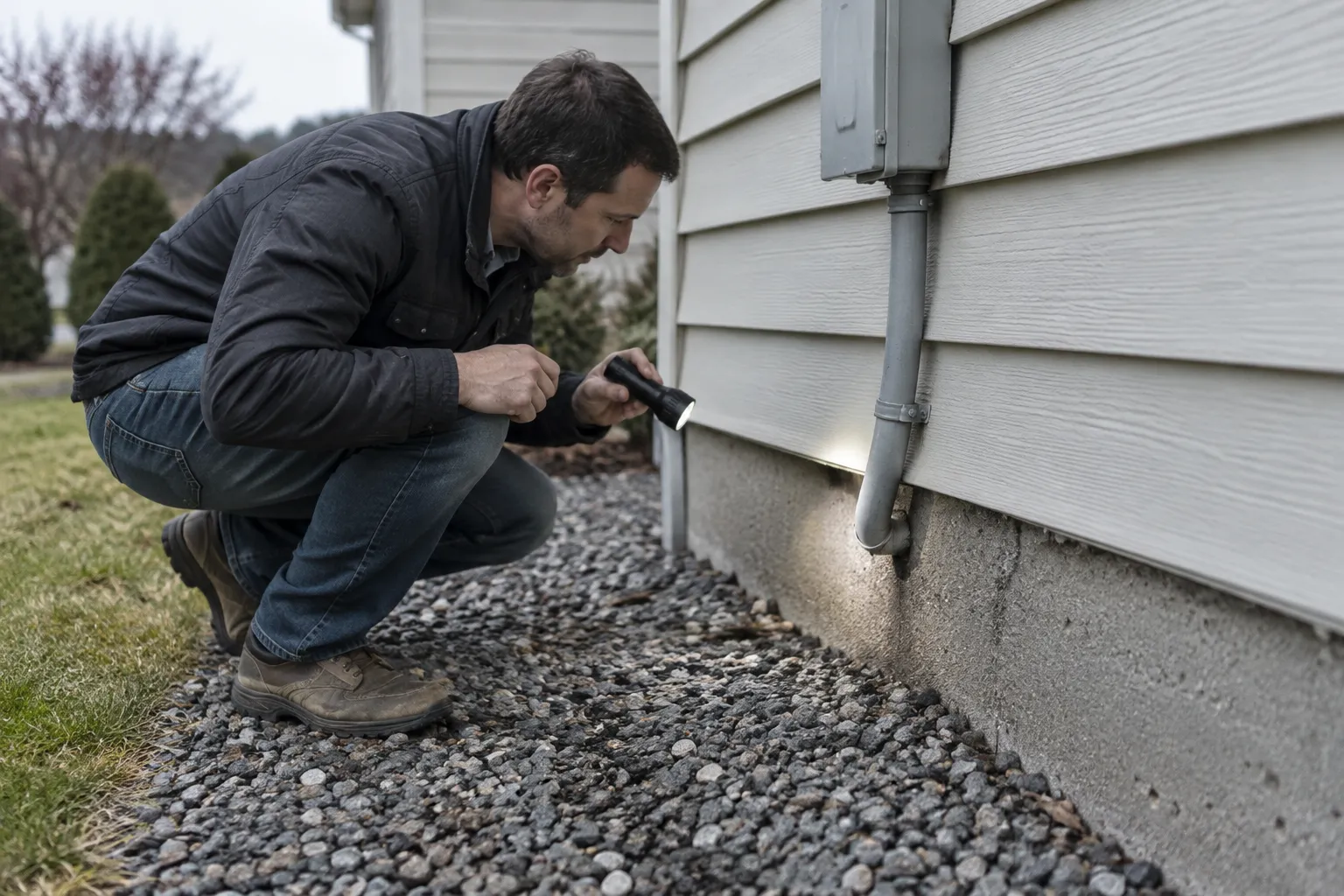
A useful pre-move review includes more than a quick look at the living room. In the kitchen, inspect accessible cabinet corners, food-storage areas, and the space around plumbing for visible signs or conditions worth mentioning. In bathrooms and laundry areas, note persistent dampness, visible gaps, or signs of activity near pipes. In a basement, garage, or shared storage area, record what you can see without entering restricted spaces or shifting stored items. Outside, note visible gaps at doors, damaged screens, or conditions near waste storage that may be relevant to the property.
For a bed or upholstered furniture concern, look at accessible seams, bed-frame joints, and sofa crevices, but do not assume that a mark is a bed bug. If furniture is already in the home, ask whether it was inspected and whether any treatment or follow-up was arranged. A vacant unit can look different from an occupied one: belongings may conceal areas, and activity may not be visible during a brief visit. An inspection is property-specific, so the professional may need access to particular rooms or adjoining areas to assess what you reported.
- Ask which rooms and shared areas can be included in an inspection.
- Mention any inaccessible spaces and ask whether access can be arranged.
- Share photos and notes, but distinguish what you observed from what you suspect.
- If the home is in a multi-unit building, ask who coordinates with the manager or neighboring units when relevant.
Ask about history, responsibility, and follow-up
Before signing off on the handover, ask the owner, seller, landlord, or property manager what pest concerns have been reported, what areas were affected, and whether any inspection or treatment took place. Ask when it occurred, what was addressed, and whether a follow-up visit or monitoring was planned. A clear answer is more useful than a broad reassurance: request available records or a written summary when appropriate, and note if the history is unknown. A past treatment does not by itself establish the current condition of the home.
Clarify who is responsible for arranging access and communicating with a pest professional. In a rental or shared building, the tenant may need to report a concern to management rather than arrange work independently; responsibilities depend on the arrangement and applicable requirements. If the property is in New York City, owners and managers may have specific obligations, so check the rules that apply to your situation rather than relying on a general article. For a property-specific assessment, review the provider’s service areas and local service information and confirm availability for the address.
- Ask what was observed, where, and when; separate confirmed findings from reports or assumptions.
- Request details of any prior inspection, treatment, preparation, and follow-up, if available.
- Confirm who will contact the provider, arrange access, and share updates.
- Agree on what happens if new signs appear after the walkthrough or after move-in.
Plan the inspection and move-in sequence
If you have a concern, contact a pest professional before moving boxes and furniture into the affected area when practical. Explain whether you are buying, renting, or managing the property; describe the signs and locations; and mention any previous inspection or treatment. Ask what the professional needs to see, whether the owner or manager should attend, and whether any preparation is appropriate for the specific service. Do not assume that every pest concern calls for the same inspection or treatment. The proposed next step depends on what is found and on the property.
If treatment is proposed, ask for the scope in plain language: which areas are included, what preparation is needed, whether people or pets need to leave temporarily, and whether follow-up is recommended. Follow the provider’s property-specific instructions rather than applying products yourself or using foggers to address an uncertain problem. If the inspection does not find clear evidence, ask what observations would justify another assessment and how to report them. Results and appropriate next steps vary with the pest, building, and conditions; an article or brief walkthrough cannot replace a professional assessment.
- Share your notes, photos, address, and access limitations when requesting an assessment.
- Ask what the inspection covers and what it cannot determine.
- Get any preparation and follow-up instructions in writing.
- Keep a record of new observations after move-in and report them through the agreed contact.
A useful plan connects observations, access, responsibility, and follow-up.
Common questions
Does a clean-looking home need an inspection?
Not necessarily. A tidy appearance does not confirm that pests are present, and it cannot rule them out. Consider an inspection when you have specific signs, a relevant history, inaccessible areas, or questions that the owner or manager cannot answer. Tell the professional what you observed and what remains unknown. They can explain whether an inspection is appropriate and what areas would need to be assessed.
What should I do if I notice signs after moving in?
Record the date, room, location, and what you observed; take a photo if useful, and avoid disturbing the area. Notify the owner or manager promptly if you rent or live in a shared building, and ask who will coordinate an assessment. If you own the home, contact a pest professional and share the same details. New observations can change the assessment, so describe them clearly rather than assuming they identify a particular pest.