
Pest Control in Shared Properties: What to Coordinate Before Service
A practical guide for tenants, owners, and property managers coordinating pest control in buildings with shared spaces or multiple occupants. Learn what to record, who should arrange access, what to clarify about the service plan, and how to share updates without assuming that activity in one unit proves a building-wide problem.
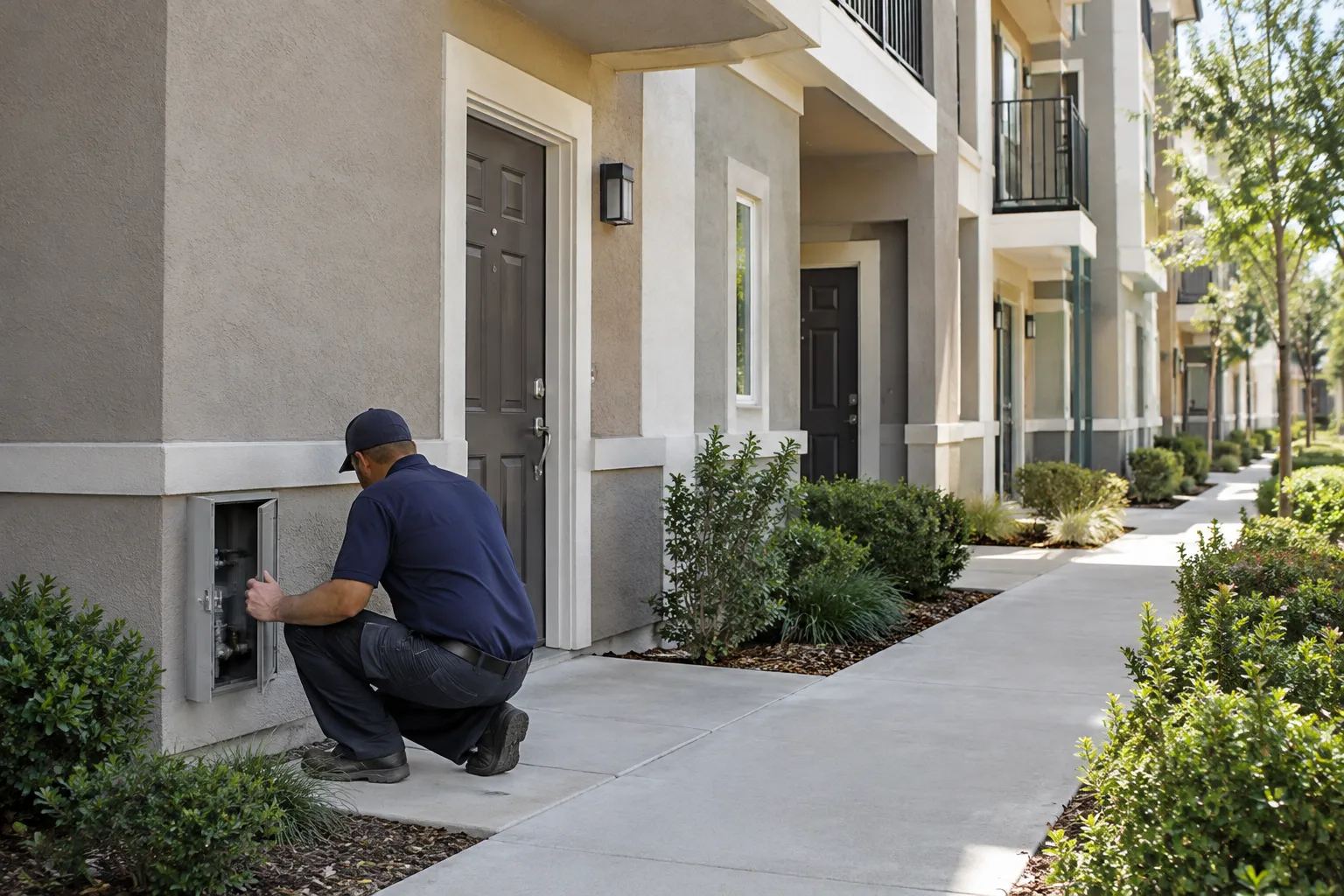
Before arranging pest control in a shared property, agree on who will contact the provider, which areas may need access, and how occupants will share observations and preparation details. Record where and when activity appears, distinguish private units from common areas, and ask the provider what the inspection or proposed service requires. A report from one unit is useful information, not proof that every unit is affected; the appropriate scope depends on the property and inspection.
Start with a shared, specific record
Coordination works best when reports describe observable details rather than conclusions. Note the date, approximate time, room or common area, and what was seen or heard. If activity recurs, record whether it appears in the same place or in different locations. A simple written log helps a manager or provider compare reports without relying on memory or treating every report as identical.
Keep the location precise but protect residents’ privacy. Identify a unit to the person arranging the inspection when needed, but avoid circulating private details to the whole building. Separate observations from guesses about where pests came from. For example, “small insects seen near the kitchen sink on Tuesday evening” is more useful than “the neighboring apartment caused it.” Photos may help describe visible signs, but they do not replace an inspection or establish the extent of a problem.
- Record the date, location, and visible signs.
- Say whether the area is inside a unit or shared by occupants.
- Note whether the observation is new, recurring, or has changed.
- Mention any prior service or relevant access limits.
Decide who coordinates access
In a multi-occupant property, one person should serve as the main contact for arranging the next conversation with a pest control provider. That may be a property manager, owner, or another authorized representative, depending on the building’s arrangements. Residents can report what they observed and identify times or spaces that may need attention. Confirm who can authorize entry to each area; do not assume that permission for a common room also covers a private unit.
Before a visit, make a practical access list: the reported unit or room, relevant common areas, and any building spaces that the provider says are needed for the inspection. Ask who will meet the provider, how occupants will be notified, and how access restrictions should be handled. If a space cannot be entered, explain that in advance and ask whether the inspection can proceed or needs to be rescheduled. The provider should clarify the scope rather than relying on an assumption that every room will be treated.
- Choose one main contact for scheduling and updates.
- List the areas reported and who can authorize access to each.
- Confirm how residents will receive timing and preparation information.
- Tell the provider about access limits before the visit.
Clarify the proposed scope and preparation
Ask what the provider plans to inspect, what findings would affect the proposed service, and whether preparation is needed. Preparation can vary with the pest, the treatment method, and the spaces involved, so avoid applying a single checklist to every unit. Request instructions that identify which areas are relevant, what occupants should do beforehand, and whom to contact if a direction is unclear. Do not move belongings or apply a product based only on a neighbor’s account of their own service.
For a shared building, clarify whether the proposal concerns one reported unit, a common area, or additional spaces that the provider recommends assessing. Ask how the scope will be explained to the person authorizing the work and how residents will receive applicable instructions. If the concern involves bed bugs, for instance, record the rooms or units where evidence was reported and ask what inspection is appropriate before selecting a treatment method. Suitability and preparation depend on the specific property; a general article cannot determine them.
- Which spaces are included in the inspection or proposed service?
- What preparation applies to each affected space, and who needs to receive it?
- How should occupants report new observations or access problems?
- What follow-up, if any, is part of the proposed plan?
Keep communication useful after service
Agree on a simple way to report later observations, such as sending them to the designated building contact with a date and location. That makes it easier to share relevant changes with the provider without creating a building-wide rumor chain. If activity is noticed again, describe what happened and where; avoid assuming that it proves the service failed or that a different unit is responsible. The provider can explain whether the observation changes the next step.
Keep service instructions available to the occupants who need them, while sharing only information appropriate to their role. A manager may need to coordinate access and building communication; a resident may need instructions for their own space. If the plan changes, make sure the affected people receive the updated information directly. Results and next steps vary with the pest, property conditions, access, and the service selected, so ask for clarification rather than relying on a universal timeline.
A clear contact, precise observations, agreed access, and property-specific instructions make shared-property coordination more practical.
Common questions
Does activity in one unit mean the whole building needs treatment?
Not by itself. One report identifies a place to assess; it does not establish how far activity extends or what service is appropriate elsewhere. Share the observation with the building contact and ask the provider what areas should be inspected. The scope depends on findings, the pest involved, and the property. Avoid treating a neighbor’s report as a diagnosis of your own unit.
What should I send when requesting an estimate?
Share the property address, unit or suite if relevant, the rooms or shared areas involved, what was observed, and when it began or recurred. Mention access restrictions, previous service, and who can coordinate entry. These details help the provider discuss an inspection and possible next steps; they do not determine a treatment method without property-specific assessment. You can use the Hempstead service page to request an estimate.