
Pest Control Treatment Plans: How to Understand the Scope of Work
A practical guide to reviewing a pest control plan before work begins: clarify the pest concern, areas included, inspection limits, preparation, prevention recommendations, and follow-up. Use the questions and example to identify what is still uncertain and what to discuss with a provider.
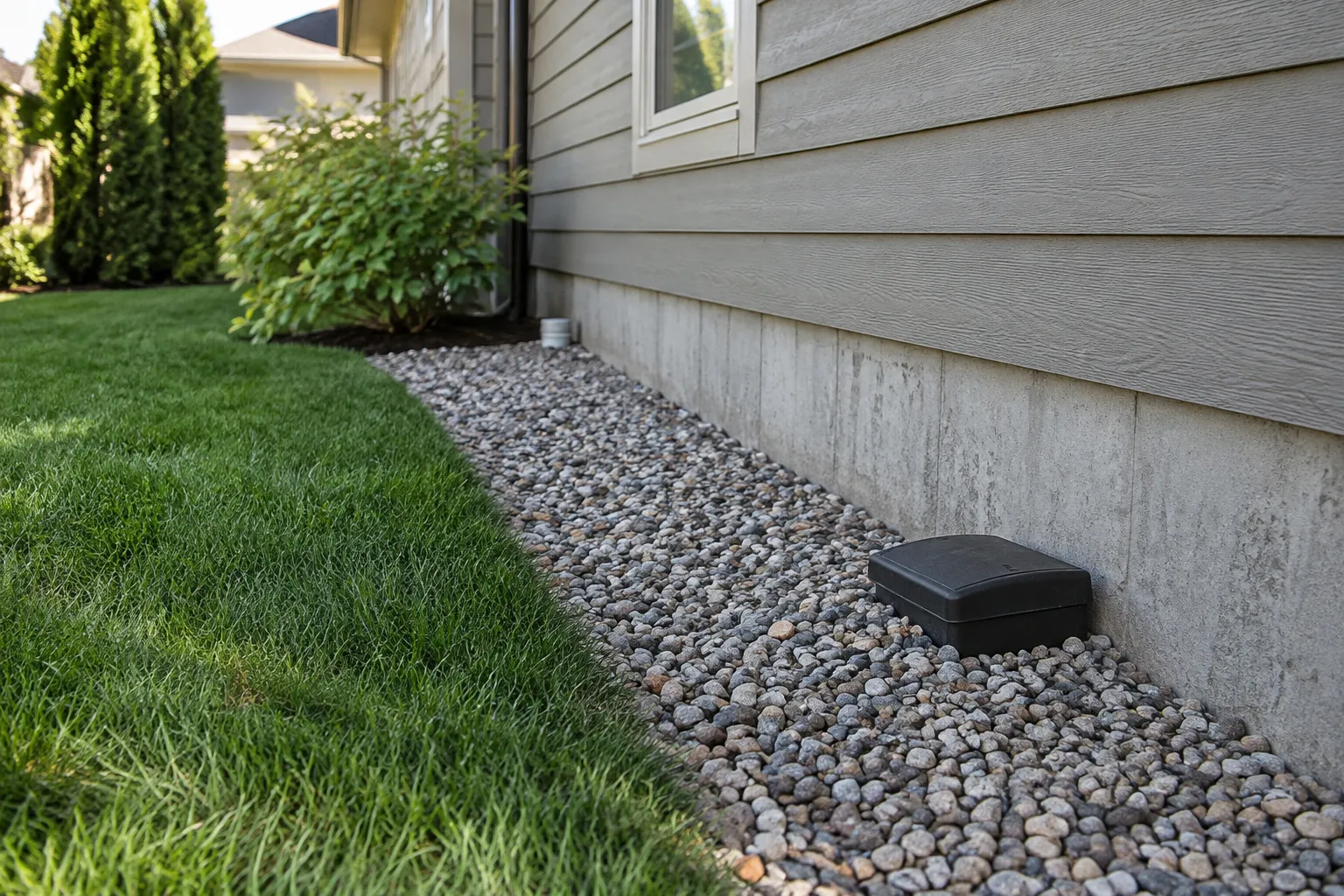
A pest control treatment plan should make clear what concern is being addressed, which areas are included, what the proposed work involves, and what preparation or follow-up may be needed. Before deciding, compare the written scope with what you have observed and ask about anything that remains unclear. A plan is specific to the property and findings; an article cannot determine which treatment is appropriate for your home or business.
Start with the concern and evidence
A useful scope begins with the concern that prompted the request, not simply a broad label such as “pest control.” Describe what you noticed, where it appeared, and when. If you are unsure which pest is involved, say so. A provider may need to inspect before identifying the issue or proposing a method. A photograph or a single sign can be helpful context, but it does not necessarily establish what is happening throughout the property.
Separate observations from assumptions. For example, note “small insects seen near the kitchen sink on three evenings” rather than concluding that the entire building has an infestation. Mention whether activity is indoors, outdoors, or in a shared area, and whether you have already tried a treatment. This gives the provider a clearer starting point without implying that every room needs the same work. For service in West Hempstead, you can describe the property and request an assessment through the West Hempstead pest control page.
- Pest or sign noticed, if known
- Rooms, exterior areas, or shared spaces involved
- When activity began and whether the pattern has changed
- Previous treatment or relevant access limitations
Check exactly what areas are included
A scope should distinguish the areas that were inspected from the areas proposed for treatment. These are not automatically the same. Ask whether the plan covers a particular room, several rooms, an exterior area, a basement, or another space, and whether any part of the property was inaccessible. If a space was not inspected, ask whether that affects the recommendation or requires a separate visit.
For a multi-unit property, clarify whether the plan concerns one unit, shared spaces, or additional areas that may need coordination. Confirm who can authorize access and how residents or staff should arrange entry. Do not assume that a plan for one apartment includes neighboring units, building-wide spaces, or every possible source of activity. The appropriate scope depends on what is found and what access is available.
| Plan detail | What to clarify |
|---|---|
| Inspection | Which spaces were checked, and what could not be accessed? |
| Treatment | Which specific areas are included in the proposed work? |
| Shared property | Who coordinates access to units or common areas? |

Understand the proposed work and preparation
Ask for a plain-language explanation of the proposed approach and why it fits the observed concern. A plan may include treatment, recommendations about property conditions, or both; the details depend on the inspection and service. If the provider recommends addressing an access gap, moisture, food storage, or waste handling, ask which condition is relevant to your situation and who is expected to address it. Do not assume that a treatment alone resolves every condition that may contribute to pest activity.
Preparation instructions should be specific to the planned work and the affected spaces. Ask what needs to be moved, cleared, covered, or made accessible, and whether any instructions apply to occupants, pets, staff, or stored items. If a direction is unclear or difficult to follow, ask before the appointment rather than guessing. The provider should explain any applicable precautions and what to expect after the work. Do not rely on generic online instructions in place of property-specific directions.
- Match each proposed action to the area and concern it addresses.
- Ask what preparation is needed and who is responsible for it.
- Confirm how access will be arranged, especially in shared buildings.
- Request clarification about any instruction you cannot follow as written.
Clarify follow-up and decide what remains open
Before agreeing to a plan, ask what follow-up is included, if any, and how to report continued or newly observed activity. Clarify whether a return visit is part of the proposal, depends on later findings, or would be discussed separately. Do not infer a visit schedule or outcome from the word “treatment plan” alone. The scope should explain what is known now and what would prompt another conversation.
A practical review can be brief: identify the concern, confirm the included spaces, understand the proposed work and preparation, and note any unanswered questions. If the written scope does not say whether a particular room or shared area is included, ask for that detail to be stated clearly. Results and next steps vary with the pest, property conditions, access, and findings. A clear scope helps you make an informed decision; it does not predict a particular result.
- I can describe the concern and the signs I observed.
- I know which areas were inspected and which are included in the proposed work.
- I understand the preparation and access arrangements.
- I know what follow-up is included or what I should ask about next.
If any important detail is missing, pause to clarify it before deciding. The goal is a scope you can understand, not an assumption that one standard plan fits every property.
Common questions
Does a treatment plan cover the whole property?
Not necessarily. The scope may cover only the areas assessed or identified for work. Ask which rooms, exterior spaces, units, or shared areas are included, and whether any spaces were inaccessible or need separate discussion.
What if I do not know which pest I have?
Describe the signs, locations, and timing without guessing. Ask whether an inspection is needed before a method or scope can be proposed. The pest and appropriate response cannot be confirmed from a general description alone.