
Recurring Flies Indoors: How to Track Patterns Before Requesting Service
A practical way to record where and when indoor flies appear, note conditions that may matter, and share useful observations when requesting fly control. Tracking patterns can help guide an inspection, but it cannot confirm the fly type or source on its own.
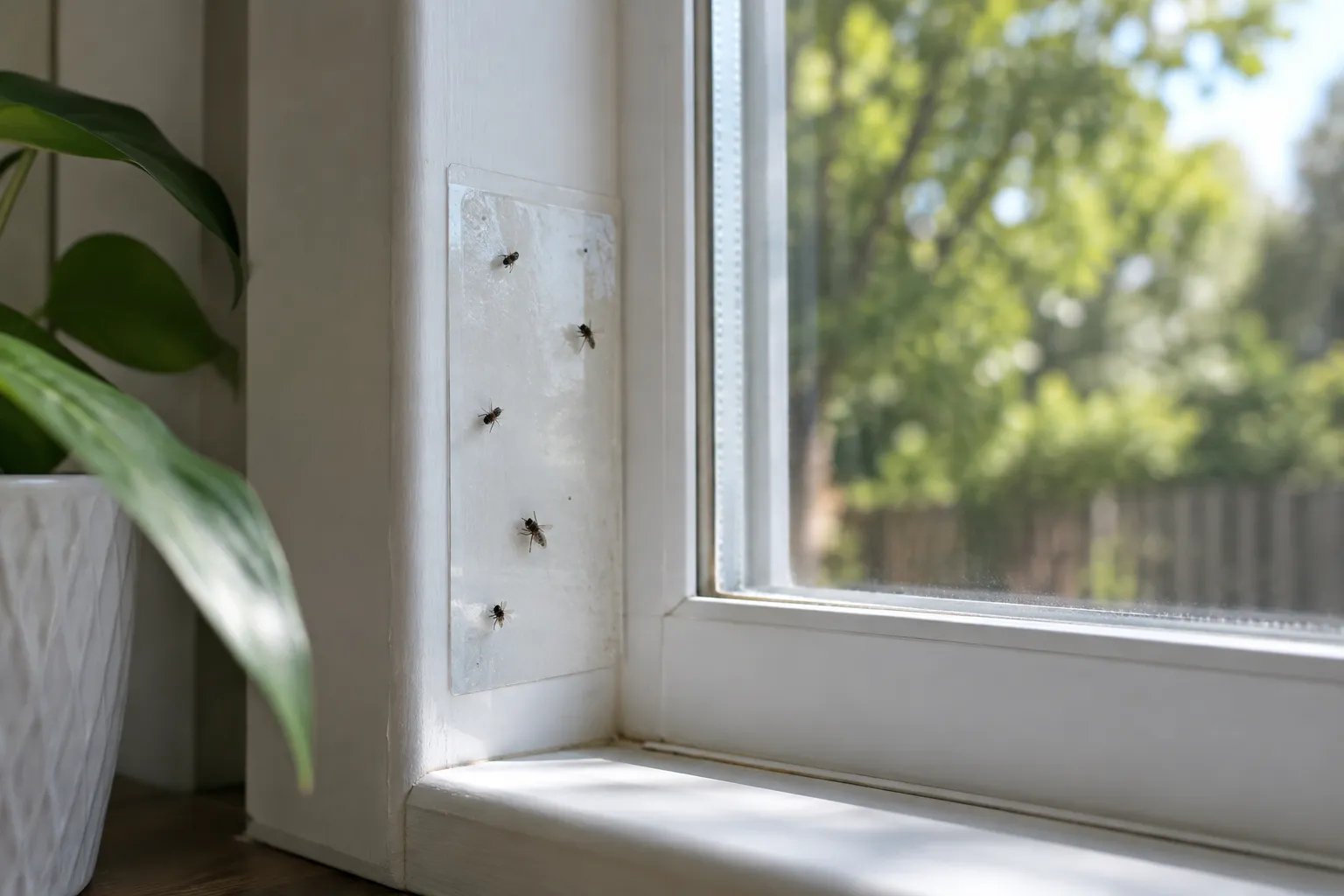
To make a useful service request about recurring flies, record where they gather, when you notice them, what they look like, and any nearby conditions such as food, waste, moisture, or an entrance. Note whether activity is limited to one room or appears in several areas, and whether you see flies indoors, outdoors, or both. These observations can help guide a property-specific inspection, but they do not identify the insect or prove where it is breeding. Share the pattern and any clear photos with a provider, then ask what should be checked next.
Start with place and timing
Begin with the location rather than trying to name the fly. Record the room and the specific spot where activity is most noticeable: for example, near a sink, a window, a food-preparation area, a waste container, or a doorway. If you manage a business or a multi-unit property, identify the unit or work area without including private information that is not needed for the request. A simple floor plan or a short written description can help distinguish one recurring cluster from occasional sightings elsewhere.
Add the date and an approximate time whenever you notice flies. Include whether the room was in use, whether a door or window had been open, and whether activity seemed to increase after a routine event such as taking out waste or using a sink. Look for a pattern across several observations rather than relying on one memorable sighting. A brief log is usually more useful than a long account written after the details have blurred.
- Room and exact area where flies gather
- Date, approximate time, and whether the activity recurs
- Indoor, outdoor, or both, and any nearby open entrance
- What was happening in the area when you noticed them
Describe what you see without guessing
For example, imagine a tenant notices several tiny flies near a bathroom sink on three evenings in one week, while seeing none in the kitchen. They could report the dates, the repeated sink location, and a photo if available, then mention whether the area is damp or whether activity appears elsewhere. This is an illustrative example, not a diagnosis: the pattern helps frame what to ask about, while an inspection would be needed to assess the property.
Describe the evidence you observed; leave identification and source assessment open.
Note nearby conditions and changes
Do not use a tracking exercise as a reason to apply a pesticide, pour products into a drain, or combine cleaning chemicals. The appropriate response depends on the insect and conditions, and product directions matter. For this article’s purpose, observation and clear communication are enough: record what is visible, avoid making a treatment decision from a guess, and ask the provider what information or access would help assess the situation.
Prepare a concise service request
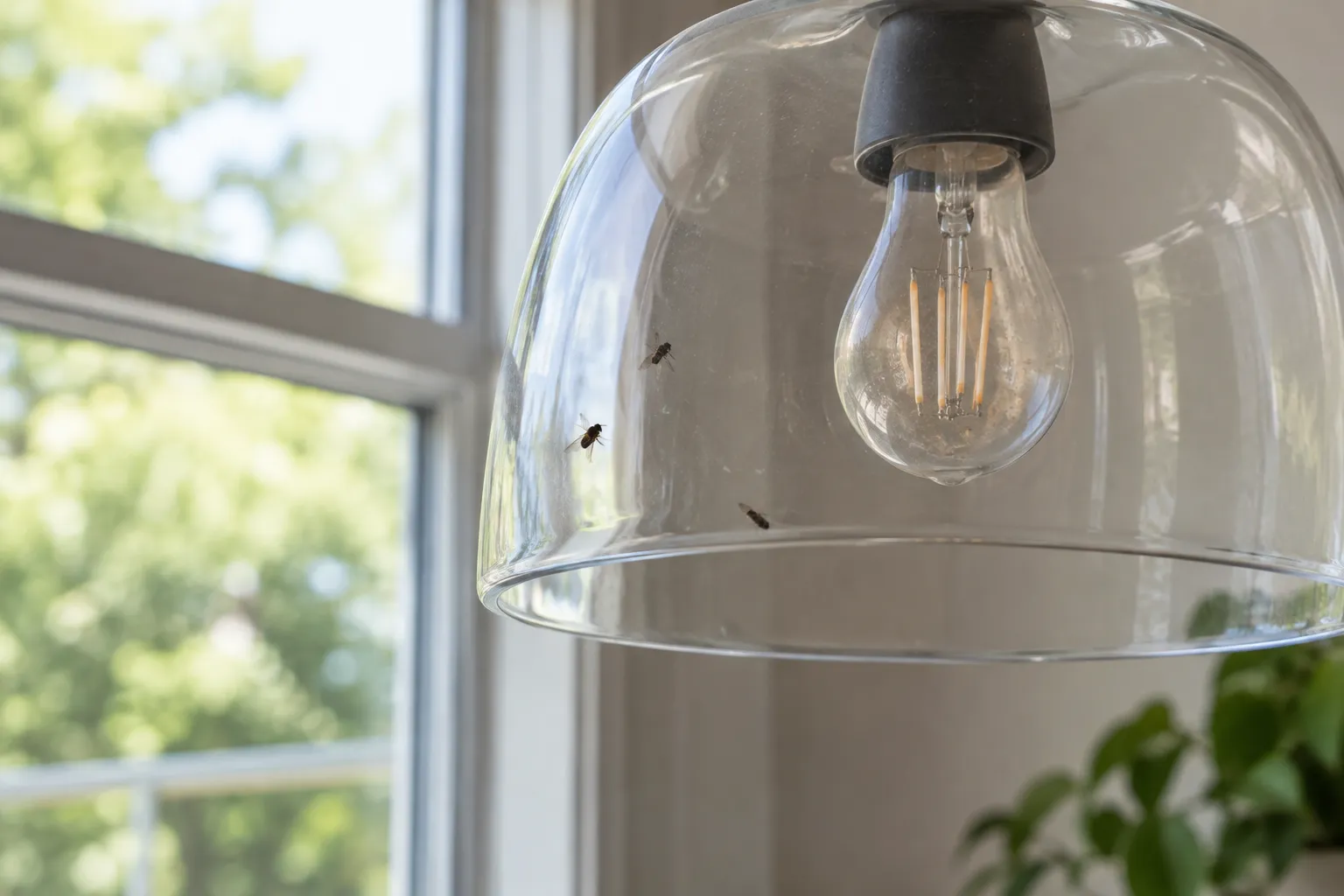
When you contact a provider, lead with the recurring pattern: where flies gather, when you have seen them, whether the activity is indoors or outdoors, and what they look like. Mention nearby conditions and what you have already observed, but separate facts from assumptions. If you have photos, offer them as supporting context. A concise account makes it easier to discuss whether an inspection is appropriate and what areas may need attention.
Multipest New York provides residential and commercial pest control across Long Island and New York City’s five boroughs, and its fly-control service information describes identifying flies, reviewing potential breeding areas and access points, and discussing control and prevention based on property conditions. You can review the fly control service information and ask what next step fits your situation. The observations in this guide are not a substitute for an inspection, and the source or treatment approach cannot be determined from a log alone.
- Summarize the location, timing, and repeated pattern.
- Describe appearance and nearby conditions without naming an unconfirmed source.
- Share clear photos if available and explain what areas you can access.
- Ask what the provider would need to assess the activity and discuss next steps.
A useful request is specific about observations and open about what remains unknown.
Common questions
How long should I track recurring flies?
There is no fixed observation period that suits every property. Start recording when you notice a repeat pattern and include dates, approximate times, and locations for the sightings you do observe. If activity is frequent, a short log may capture useful details; if it is occasional, continue noting sightings as they happen. Do not delay a service request just to complete a particular number of entries. Share what you have and explain how often you have been able to observe the area.
Should I collect a fly to show the provider?
Ask the provider whether a specimen would be useful and how they prefer it to be handled. A clear photo and a description of where and when the fly appeared may be enough to start a conversation. Do not use sticky tape or handle an insect if doing so is impractical; a damaged specimen may be harder to assess. If you cannot safely or easily collect one, say that plainly and share the observations you already have.