
Rodent Control: How to Compare Monitoring and Exclusion in a Service Proposal
Compare monitoring and exclusion by asking what each measure is meant to address, where it will be used, and how progress will be reviewed. A useful proposal connects observations at the property with specific actions, access limits, follow-up, and responsibilities for repairs.
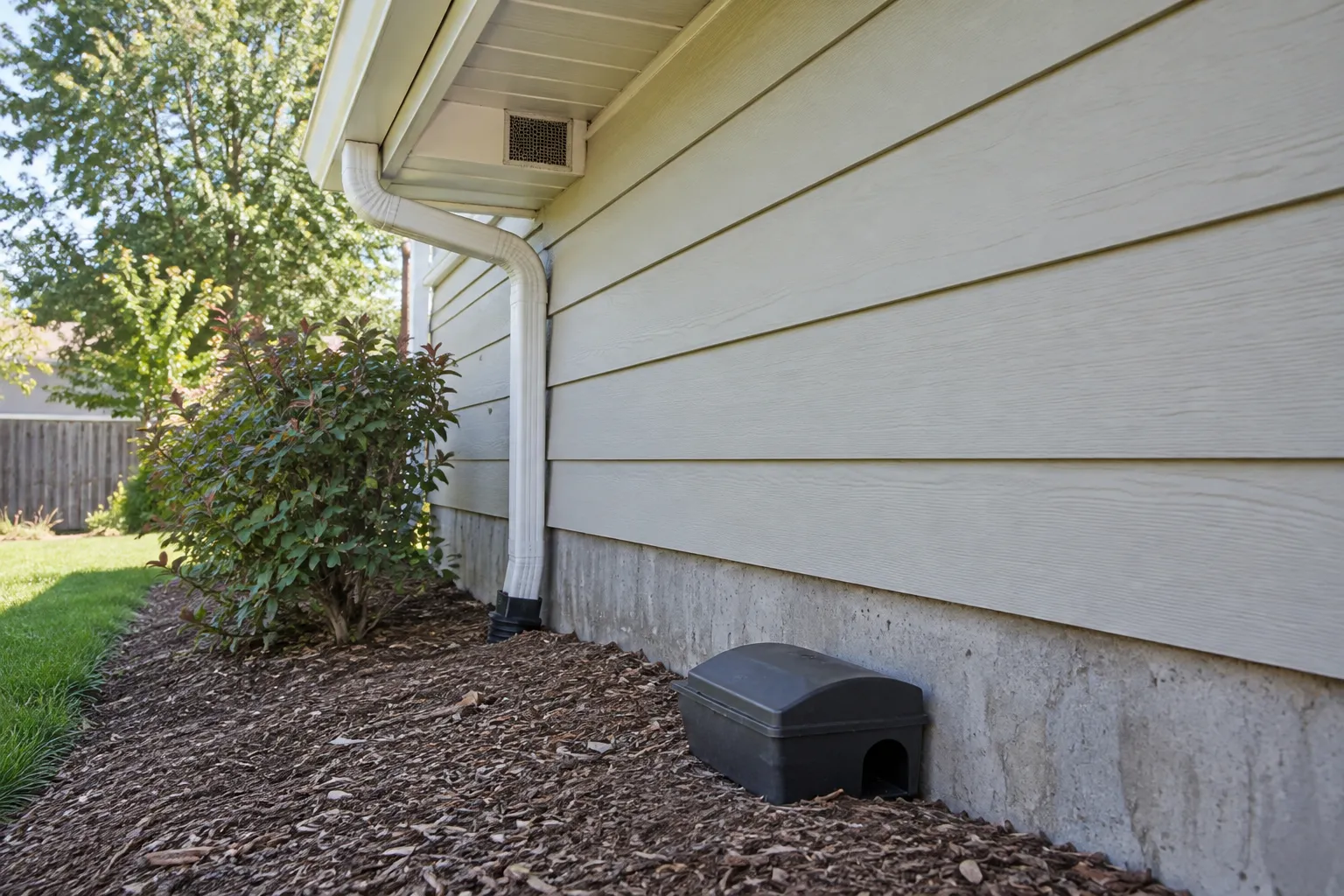
Monitoring and exclusion solve different parts of a rodent-control problem. Monitoring helps assess activity and track changes; exclusion aims to close or reduce access through identified openings. Compare proposals by checking whether each action is tied to an observed condition, who will carry it out, and how follow-up will be handled. A plan may use one or both, depending on the property and inspection findings. Ask for the locations, limitations, and next steps in writing before deciding.
Start with the inspection findings
Before comparing methods, look for a clear account of what was observed and where. A proposal is easier to evaluate when it distinguishes direct signs—such as a sighting, sound, or damaged packaging—from suspected travel routes or possible openings. Those observations can help guide an inspection, but a single sign does not establish the full extent or source of activity. Ask which areas were accessible and which could not be checked.
The proposal should connect its recommendations to those findings. If monitoring is suggested, ask what it is intended to reveal: whether activity continues in a particular area, whether a suspected route is being used, or whether conditions change after other work. If exclusion is proposed, ask which opening or gap it addresses and how the provider determined it may be relevant. A general statement such as “seal entry points” is less useful than a location-specific description with any access limitations noted.
- Which signs were observed, and in what locations?
- Which areas were inspected, and which were inaccessible?
- What evidence links a proposed action to a particular area?
- What additional information could change the plan?
Compare what each measure does
Monitoring is an observation and review process, not the same thing as closing an opening. Depending on the proposal, it may involve checking designated locations or devices over time and recording whether activity changes. Ask what will be checked, how observations will be documented, and when the findings will be reviewed. Clarify what the provider would consider a reason to adjust the approach, rather than assuming that a device or visit alone resolves the underlying access question.
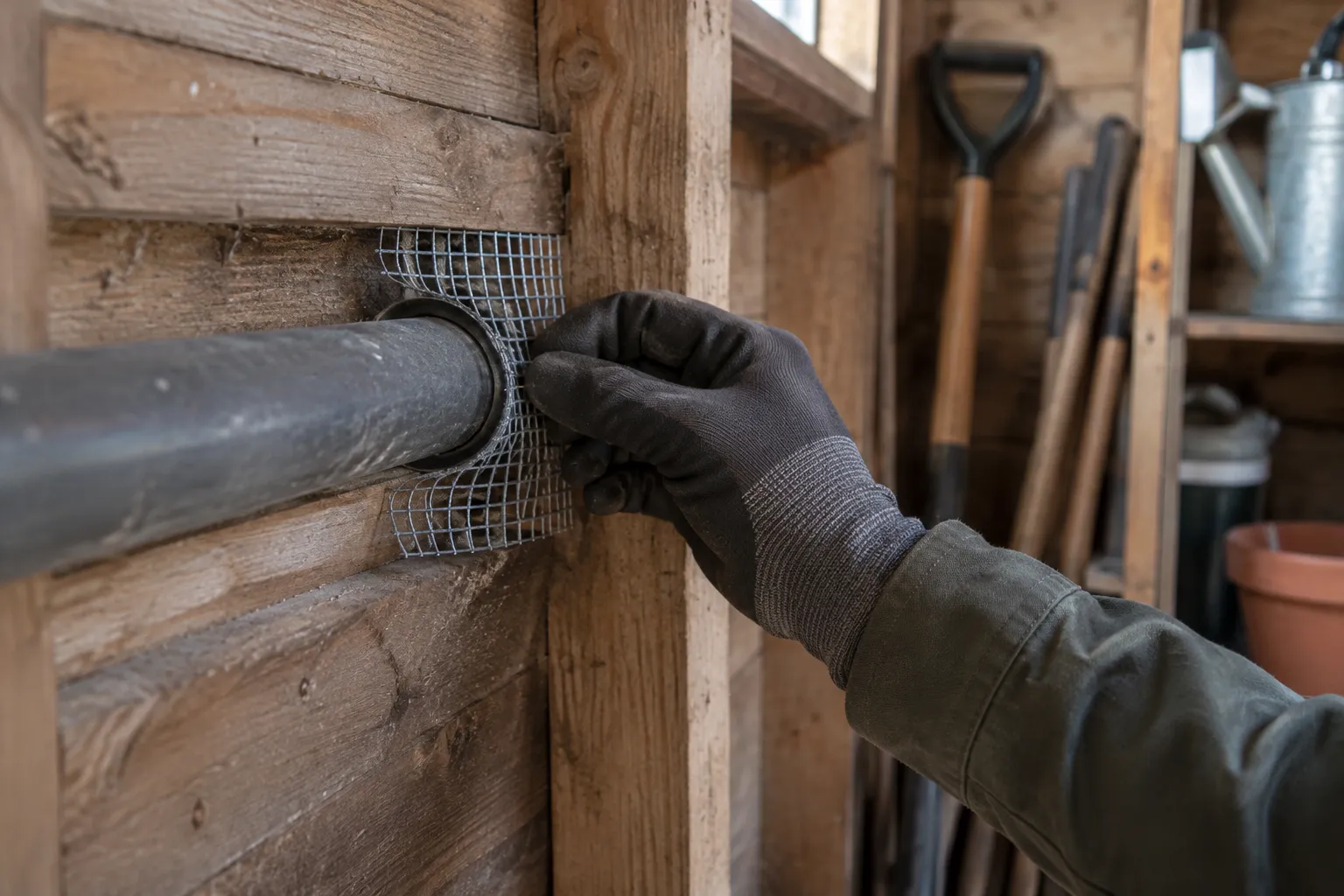
Exclusion focuses on reducing access through identified gaps or openings. The proposal should say where the work is planned and whether it is included in the service or depends on a separate repair. Ask what materials or work areas are covered at a general level, what is outside the scope, and whether the condition can be addressed during the visit. Some openings may be difficult to reach or may require property repairs beyond the pest-service scope. A written limitation helps you plan who needs to handle the remaining work.
| Proposal element | Monitoring | Exclusion |
|---|---|---|
| Main purpose | Observe activity and review changes in specified areas. | Address identified openings that may allow access. |
| What to clarify | What is checked, how findings are recorded, and when they are reviewed. | Which locations are included, what work is covered, and what is excluded. |
| Key limitation | Observation alone does not close an access point. | Closing a listed opening does not show whether activity has changed elsewhere. |
Check scope, follow-up, and responsibilities
A proposal should make it possible to understand what happens after the initial work. For monitoring, ask how often the listed locations will be reviewed under the proposed plan, who will share the observations, and how a change in activity would be discussed. Avoid assuming a standard visit frequency: the appropriate schedule depends on the property, findings, and agreed scope. If the proposal does not specify a review point, ask how you will know when the next decision is due.
For exclusion, distinguish pest-service work from building maintenance. Ask whether the provider will perform the described work, identify a repair for someone else to complete, or simply note a possible opening. If another person must make a repair, clarify who will coordinate it and whether the provider expects to revisit that location afterward. In a rental or shared building, the person requesting service may not control every area; confirm access and repair responsibilities with the relevant owner or manager rather than assuming they are included.
- Match each recommended action to a location or observation in the proposal.
- Mark whether the action is included, conditional, or assigned to someone else.
- Ask how monitoring findings and completed repairs will be reviewed.
- Confirm what information or access the provider needs before the next visit.
A useful comparison is about scope and evidence, not simply the number of measures listed. Monitoring and exclusion can complement one another, but each should have a defined purpose and a clear boundary.
Make the decision with specific questions
When two proposals differ, compare their explanations rather than treating more listed tasks as automatically better. One may describe monitoring in detail but leave possible openings unresolved; another may name exclusion work without explaining how activity will be reviewed afterward. Ask each provider to explain the relationship between the observed conditions, the proposed action, and the follow-up. If a recommendation depends on an assumption, ask what would confirm or change it.
For example, imagine an illustrative proposal that notes repeated sounds near a utility area and a visible gap around a pipe. A practical discussion might separate the questions: Is the area accessible for monitoring? Is the gap included in the proposed exclusion work, or does it need a separate repair? How will the provider review activity after that work? This example is not a finding about any particular property; it shows how to turn broad language into decisions you can compare.
- What specific observation supports each recommended measure?
- Which locations and tasks are included in the quoted scope?
- What is excluded, conditional, or dependent on a separate repair?
- How will findings be shared and the next step decided?
Common questions
Can monitoring replace exclusion?
Not necessarily. Monitoring can help assess activity and changes, but it does not itself close an opening. If a proposal identifies a possible access point, ask whether exclusion or a separate repair is recommended and who is responsible for it. The right combination depends on the inspection findings and the property.
Does exclusion mean activity will stop immediately?
A proposal should not be read as a promise of an immediate or uniform result. Exclusion addresses the listed openings; monitoring and follow-up help assess what happens afterward. Ask what the work covers, what conditions remain unresolved, and how the provider will discuss any continuing signs. Outcomes vary with the property and the conditions found.