
Rodent Control: What Should You Compare When Choosing a Follow-Up Plan?
Compare rodent-control follow-up plans by checking which areas will be revisited, what signs you should monitor, how entry points and contributing conditions will be addressed, and when to request reassessment. A useful plan explains what happens next while recognizing that the right approach depends on the property and what an inspection finds.
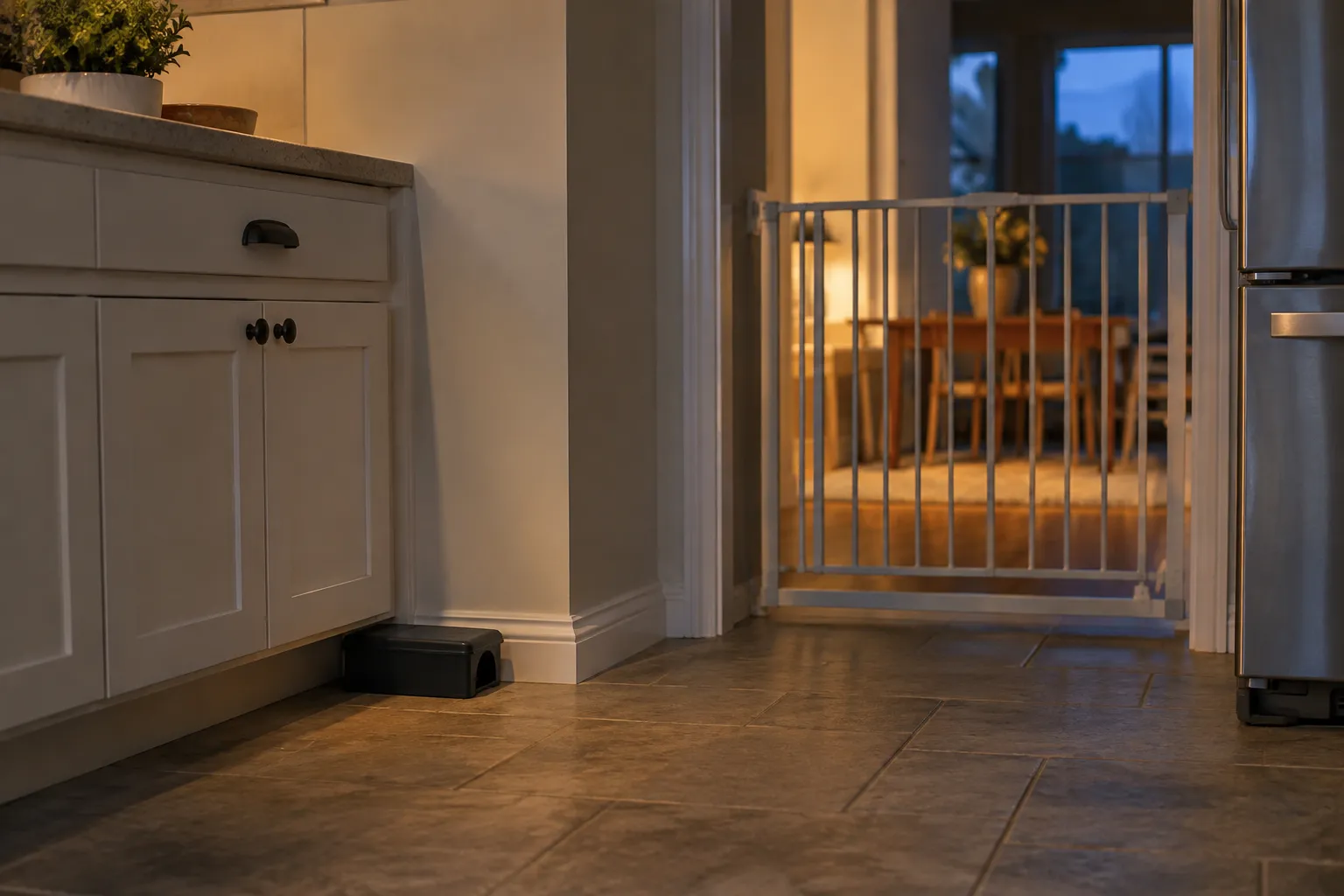
When comparing rodent-control follow-up plans, look for clear answers about three things: which areas will be checked again, what activity or changes you should report, and what conditions or possible entry routes remain to be addressed. Ask how the provider will decide whether another visit or a revised approach is appropriate. A useful plan sets expectations without assuming every property needs the same schedule or steps. Your observations can help guide that discussion, but they cannot confirm on their own whether rodents remain or where they are traveling.
Compare the areas included
Start by asking which parts of the property the proposed follow-up covers. A plan may focus on rooms where you noticed activity, accessible areas where signs were found, possible routes between those locations, or exterior conditions relevant to the inspection. The specific areas depend on the building and what the provider can reasonably assess. Ask whether the plan includes a return visit, a check-in based on your observations, or both, and clarify which areas are outside its stated scope.
For a home, note the room or area, the date, and what you observed: for example, a sound in a wall, a sighting near stored food, or newly damaged packaging. In a multi-unit property, also record whether the observation was in a private unit or a shared space, and tell the appropriate manager or owner. This is a way to share useful information, not proof of a nest or a specific route. If activity appears in a different area later, ask whether that changes what should be checked.
- Which areas will be revisited, and which were not assessed?
- Will the follow-up include discussion of possible entry routes or exclusion needs?
- What should I report if signs appear in a new location?
Compare the scope of the follow-up, not just the fact that another contact is offered.
Clarify what to monitor
A monitoring plan should tell you what observations are useful and how to share them. Depending on the situation, that might include repeated sightings, sounds, damaged packaging, or signs in a particular room. Ask whether the provider wants dates, approximate times, locations, and a description of what changed. A brief written log can help distinguish a single observation from a recurring pattern and make a follow-up conversation more specific.
Also ask what not to disturb. If you find unfamiliar material or signs in an area that may need professional assessment, describe its location and ask the provider how to proceed rather than moving items or attempting to inspect concealed spaces. Avoid treating a quiet period or one missed sighting as definite proof that activity has ended. The meaning of observations varies with access, building layout, and other conditions, so the provider should explain how those details affect reassessment.
- Record the date, approximate time, and location of each new observation.
- Describe what you saw or heard without guessing at the cause.
- Share whether the sign is repeated, has moved, or appeared after a change in the property.
- Ask the provider how and when to send updates.
Useful monitoring is consistent, specific, and focused on observations rather than conclusions.
Compare entry-point and prevention discussions
Follow-up is easier to evaluate when the plan explains how possible access routes and conditions that may support activity will be considered. Ask whether visible gaps, door edges, openings around pipes, or other relevant areas were noted during the inspection, and whether any exclusion work is proposed. A control visit and a repair or exclusion task are not necessarily the same thing; clarify who is expected to handle each item and whether it is included in the proposal.
You can also ask what household or building conditions are worth reviewing, such as food storage, waste handling, clutter, or access to shelter. These are discussion points, not a substitute for assessing the property. In a rental or multi-unit building, coordinate observations in shared areas with the property manager or owner so that the follow-up does not focus only on one unit when the concern may involve a broader area. Responsibilities and procedures can depend on the property and location, so confirm the relevant arrangements with the people responsible for the building.
| Plan detail | What to clarify |
|---|---|
| Monitoring only | Which observations will trigger a check-in or reassessment? |
| Control plus possible exclusion | Which access points are being considered, and who handles any repair? |
| Multi-unit coordination | Who receives reports about shared spaces or activity in another unit? |
A clear plan distinguishes monitoring, pest-control work, and any separate building repairs.
Agree on reassessment and next steps
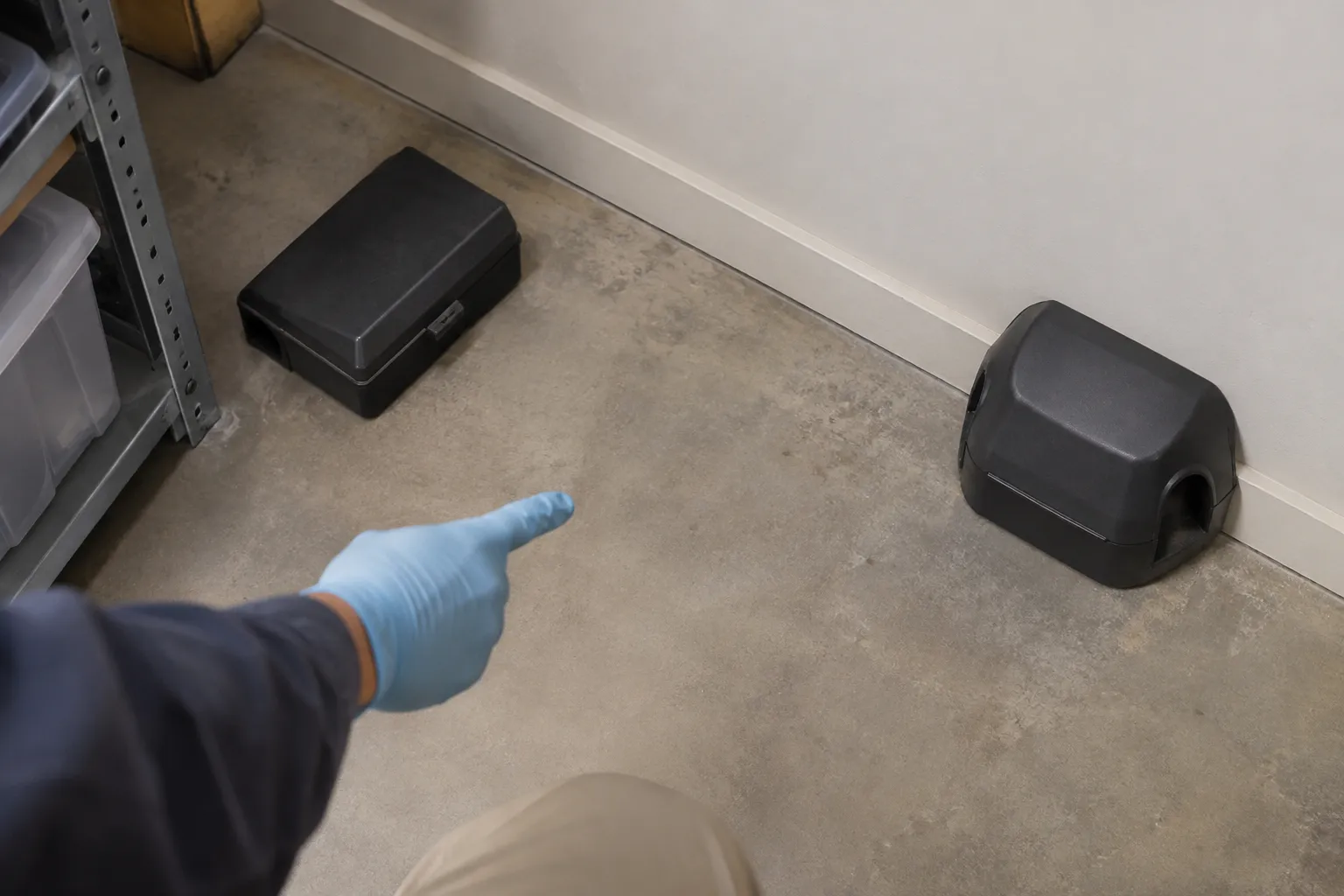
Before accepting a proposed follow-up plan, ask what would lead to reassessment and how to request it. Useful triggers might include repeated signs after the planned check, activity in a new area, or a possible entry route that was not accessible during the first assessment. Ask whether the provider expects you to contact them after a particular observation or whether they will arrange a check-in. Do not assume a standard interval applies to every property; the appropriate timing depends on the findings, the plan, and access to the areas involved.
Request a plain-language explanation of what the next visit or conversation would cover, what you should prepare, and what remains outside the proposed scope. If the plan changes, ask what new information led to the change. Multipest New York describes a rodent-control process that includes discussing activity, possible entry, monitoring, and prevention; you can review its rodent control service information when preparing questions. The page does not replace a property-specific assessment, and the right follow-up depends on the conditions found.
- What observations should prompt me to contact you?
- How will we decide whether another visit or a different approach is appropriate?
- What areas or tasks are not included in this follow-up?
- What should I share before the next assessment?
Choose the plan you can understand and follow, with a clear route to ask for reassessment.
Common questions
Does a quiet period mean the issue is resolved?
Not by itself. A quiet period is one observation, and activity can be difficult to interpret without considering the areas checked, access, and the rest of the inspection findings. Record what you notice and ask the provider how it affects the follow-up decision. Avoid treating one quiet interval as confirmation that no further assessment is needed.
What should I share before a follow-up?
Share where and when you noticed activity, what you observed, whether it has happened more than once, and whether the location changed. Mention any areas that were inaccessible or any control products already placed, if relevant. In a multi-unit building, identify whether the observation was in your unit or a shared area and coordinate with the responsible manager or owner.