
Rodent Exclusion: How to Prioritize Possible Entry Points
A practical way to record possible rodent entry points, rank what you have observed, and prepare useful questions for a property-specific inspection and exclusion plan.
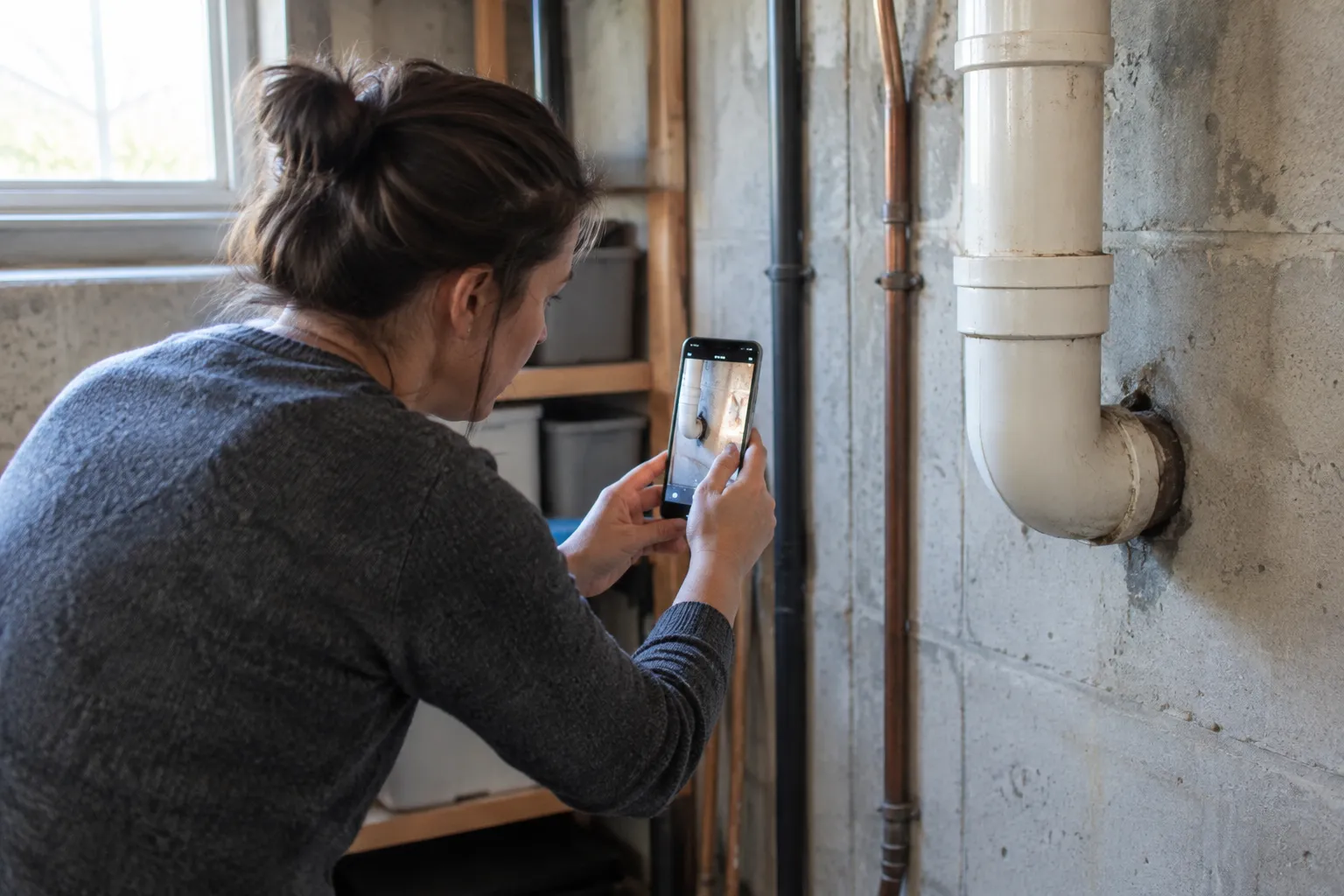
Prioritize suspected rodent entry points by combining evidence of activity with the condition and location of each opening. Record what you saw, where it is, and when it appeared; then share the notes and photos with a pest professional. Treat the list as a guide for inspection, not proof that a particular gap is the route rodents use. A property-specific assessment can help determine which openings matter and what exclusion work is appropriate.
Start with observations, not assumptions
A useful entry-point list separates what you observed from what you suspect. Note signs such as a visible gap, damaged screening, a door that does not close flush, or droppings near a wall. Record the exact room or exterior area and the date. If you see a rodent, describe where it was and the direction it moved, if you noticed one. Avoid concluding that a nearby opening is the route simply because it is close to the sign.
Look for possible openings where building materials meet or where pipes, cables, vents, doors, and windows pass through walls. Include the basement, attic, garage, utility areas, and the boundary between the foundation and ground if those areas are accessible for ordinary visual observation. A small opening can be worth noting, but its appearance alone does not establish that a rodent used it. Do not move heavy objects, enter an unsafe or inaccessible space, or disturb droppings to investigate.
- Write down the location and what is visibly damaged or open.
- Note activity signs separately from the suspected opening.
- Take a photo from a safe, ordinary viewing position, with a wider view for context.
Rank candidates by evidence and access
A practical first pass is to put the most informative observations at the top: a visible opening with nearby signs of activity, a repeated sighting along the same route, or a damaged barrier at a place that connects indoors and outdoors. Next, list openings that appear usable but have no nearby signs. Keep uncertain or inaccessible locations in a separate group. This ranking helps focus a conversation; it is not a diagnosis or a substitute for checking the property.
Consider both the opening and the surrounding conditions. A gap around a service line may deserve attention if it leads into an interior space, while a damaged screen may matter if it opens into an attic or crawl space. Food, water, shelter, and clutter can also affect where rodents spend time, so note relevant conditions without assuming they identify an entry route. For example, a hypothetical homeowner might record droppings beside a utility-room wall and a visible gap around a pipe, then ask whether the gap connects to the area where activity was noticed. That is a question to investigate, not a confirmed cause.
| Priority group | What you observed | How to use the note |
|---|---|---|
| Higher priority | Opening plus nearby or repeated activity | Ask whether the opening and signs could be connected. |
| Needs checking | Possible opening without clear activity nearby | Include it for inspection, but label it unconfirmed. |
| Uncertain | Hidden, inaccessible, or unclear area | Describe the location and ask whether it can be assessed. |
Make the record useful for inspection
Organize notes by area rather than collecting a long, unstructured list. For each observation, include the room or exterior side, the feature involved, what you saw, and when you noticed it. Add a photo only if you can take it without moving equipment, opening a concealed space, or disturbing material. A simple sketch can help explain which side of a wall or doorway you mean. If you are a tenant or manager, identify the relevant unit or common area and coordinate access with the responsible property contact.
Keep the record factual and concise. “Gap visible around pipe under kitchen sink; noticed Monday” is more useful than “mice are coming through the plumbing.” If activity has appeared in more than one place, list each location separately and note whether the signs were seen on the same day. Mention any areas you could not inspect, such as a locked utility room or an inaccessible attic. This prevents an unknown area from being mistaken for a checked and clear one.
- Walk through accessible areas and note possible openings without touching them.
- Record activity signs separately, with location and date.
- Group observations by room, floor, or exterior side.
- Share the list and ask what areas should be available for a property-specific inspection.

Ask what exclusion would involve
A useful inspection conversation should clarify which observations need closer assessment, whether the suspected openings connect to areas of activity, and what work is proposed. Ask which gaps or damaged barriers are included, what materials or repairs are being considered, and whether any access or preparation is needed from you. If the property is rented or shared, clarify who will coordinate access and decisions. The appropriate scope depends on the building, the evidence, and the areas that can be inspected.
Ask how the plan addresses more than the visible opening. A proposal may need to consider other possible access points and conditions that support rodent activity, rather than focusing only on the first gap you noticed. Request a clear explanation of any follow-up, what signs to monitor, and how to report new activity. If a location cannot be inspected during the visit, ask whether it changes the assessment or requires a separate access arrangement. Avoid treating a general checklist as a promise that every hidden route has been found.
- Which observations appear most relevant, and what still needs confirmation?
- Which openings or barriers are included in the proposed exclusion scope?
- What access, coordination, or preparation is needed?
- What should I document if activity continues or appears elsewhere?
A ranked, factual record helps focus an inspection, but only an assessment of the property can determine which openings and conditions should shape the exclusion plan.
Common questions
Should I seal a suspected opening before an inspection?
If you are unsure whether an opening is active, connected to another space, or part of a larger damaged area, document it and ask the pest professional before changing it. A photo and location note can help preserve useful context. Do not attempt repairs that require moving heavy materials, entering an inaccessible space, or working around building services. The appropriate response depends on the opening and the property.
What should I send when requesting a rodent inspection?
Share the type of activity noticed, where and when it occurred, and whether it has happened more than once. Add a short list of suspected openings, clearly marked as confirmed observations or unverified possibilities. Photos can help explain locations when taken safely. Mention access limits, shared areas, or any coordination needed with a landlord or manager. Multi Pest offers rodent control; you can use its service information to ask about the next step for your property.