
Seasonal Pest Prevention: How to Build a Home Maintenance Calendar
Build a practical seasonal calendar around changing weather, food and water sources, and the places pests may enter or shelter. Use recurring observations to spot patterns, coordinate household or building maintenance, and decide when a property-specific pest inspection may help. The calendar supports prevention; it cannot identify every pest or replace an assessment of active activity.
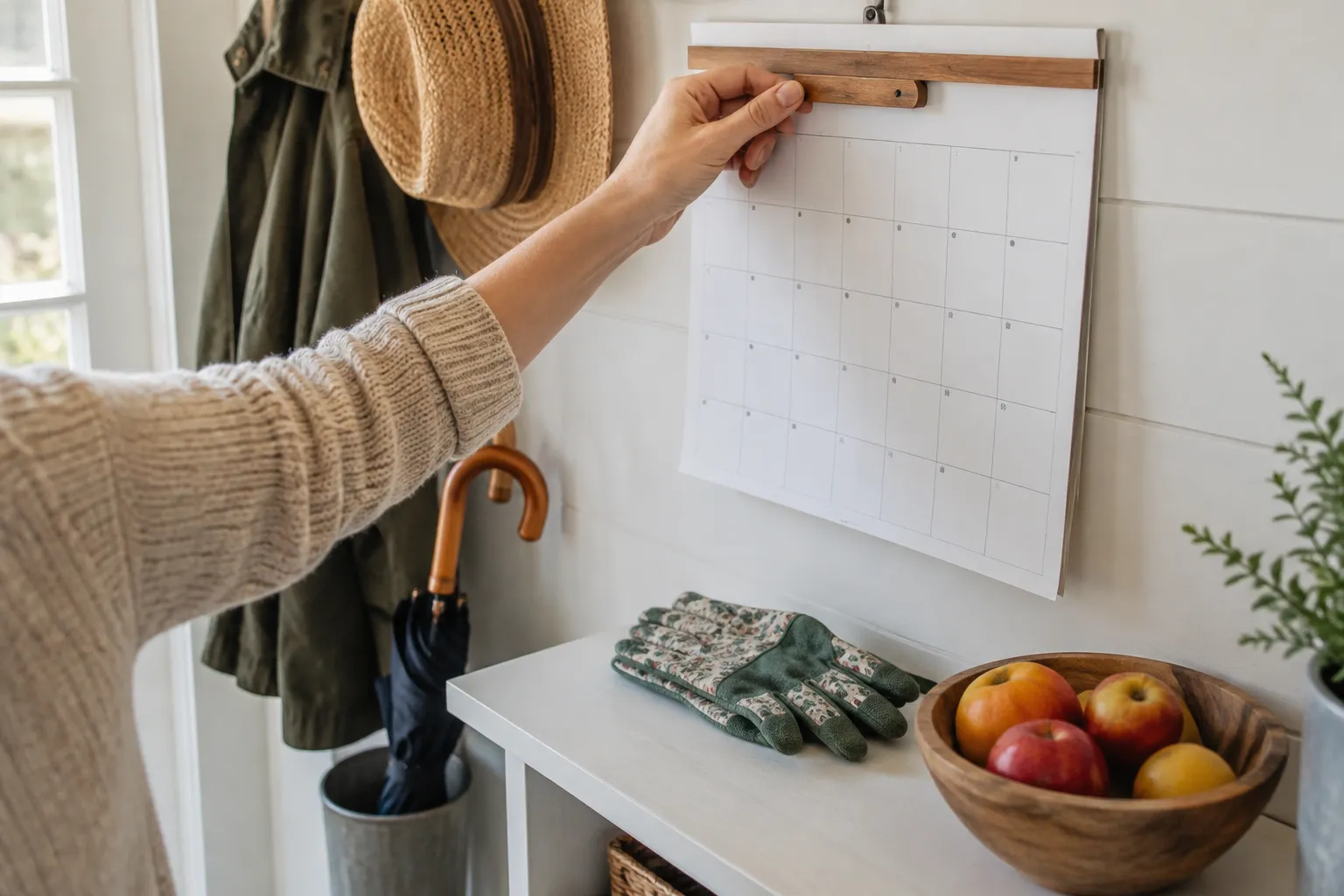
A useful pest-prevention calendar is a repeating reminder to check conditions, not a promise that pests will never appear. Set a brief review for each season and note changes in entry gaps, moisture, food storage, waste, and pest activity. After weather shifts or household changes, add a check where conditions have changed. If you see recurring activity or signs you cannot identify, record where and when they appear and ask about a property-specific inspection. The right actions depend on the building, pest, and observed conditions.
Start with a simple, repeatable system
Choose a calendar format you will actually use: a phone reminder, a paper sheet near household records, or a shared maintenance log. Give each seasonal review the same basic structure: note what changed, check likely sources of food and water, look for visible access gaps, and record any pest activity. A short, consistent review is more useful than a detailed plan that nobody revisits. For a multi-unit property, assign observations and maintenance follow-up to the appropriate person rather than assuming one resident can inspect shared areas.
Keep notes factual and specific. Record the date, room or exterior area, what you observed, and whether it has happened before. A photo taken from a normal, accessible viewpoint may help you remember what you saw, but it does not confirm a pest’s identity. Avoid disturbing suspected nests, insects, droppings, or damaged materials to get a closer look. If you are unsure what a sign means, preserve the observation and ask a qualified pest professional what information would help assess it.
- Use the same few categories each time: access, moisture, food, shelter, and activity.
- Write down changes and repeat observations rather than guessing at a cause.
- For shared buildings, coordinate with management about common areas and maintenance.
A calendar works best as a record of conditions and follow-up, not a diagnosis.
Spring and summer: watch changing conditions
In spring, review areas where winter weather or routine maintenance may have changed the building envelope. From a normal vantage point, look for visible gaps around doors, windows, utility penetrations, and the foundation; note concerns for the person responsible for repairs. Check that food is stored in closed containers, crumbs are cleaned up, and waste is kept in suitable closed bins. These are general prevention habits, not a way to determine which pest is present. Do not attempt repairs that require specialized access or work beyond your ability.
During warmer months, add checks after heavy rain, landscaping changes, outdoor gatherings, or a shift in how doors and windows are used. Notice whether water collects or leaks near the building, whether screens or door sweeps appear damaged, and whether food or waste is left outdoors. Record where activity occurs and whether it is indoors, outdoors, or near a particular opening. A single sighting may not explain the source; repeated observations in the same area are useful context to share when seeking an assessment.
- Spring review: note visible openings, damaged screens, and moisture concerns.
- Summer review: check food and waste practices, water accumulation, and changes near entrances.
- After a change: add a note if activity appears in a new place or returns repeatedly.

Fall and winter: reduce shelter and track indoor activity
In fall, review storage areas and the perimeter for clutter, stored materials, or visible openings that may provide shelter or access. Keep stored food and household supplies organized so that areas remain easier to observe. If you manage a building, include shared spaces in the maintenance conversation and make sure observations reach the person who can arrange follow-up. A calendar should not encourage residents to enter restricted spaces or move heavy items just to inspect them; note what is visible and request appropriate access when needed.
In winter, continue the same checks indoors rather than assuming seasonal activity has stopped. Pay attention to recurring sightings, fresh-looking signs, or activity near food, water, and entry areas. Note whether the observation is new, repeated, or associated with a particular room or time. If you live in a multi-unit building, tell management about activity in your unit and ask how observations from shared areas are being coordinated. A seasonal schedule helps organize communication, but it cannot establish the extent or source of a pest problem.
- Fall review: note visible gaps and cluttered storage that makes observation difficult.
- Winter review: keep recording indoor activity and recurring conditions.
- For apartments: share relevant observations with the person responsible for building maintenance.
Turn observations into a useful next step
Use your notes to decide whether the next step is routine maintenance, better coordination, or a professional assessment. A maintenance concern such as a visible gap can be passed to the person responsible for repairs. Repeated pest activity, signs you cannot identify, or observations in several areas may justify asking a pest professional to assess the property. The calendar itself cannot determine the pest, confirm an infestation, or select a treatment. A professional can consider the property and the reported conditions before discussing an appropriate plan.
When contacting a provider, share the pest you suspect only as a possibility, where and when you noticed activity, whether it has recurred, and any relevant changes to the property. Ask what areas should be accessible, what the inspection is intended to assess, and what preparation or follow-up may apply. The proposed approach can vary with the pest and property, so avoid assuming that the same service or schedule fits every home. Multipest New York provides residential and commercial pest control across Long Island and New York City’s five boroughs; its services include several pest-specific options. You can review its pest control services to identify a relevant starting point.
For example, imagine a homeowner notes small insects near a kitchen window on two separate warm-weather evenings. That record does not establish the insect or its source. It does give a provider a location, a pattern, and a season to discuss, while the homeowner can also note whether the window screen appears damaged. The example is illustrative, not a report of a customer or a particular property. If activity continues or spreads, ask whether an inspection is appropriate rather than relying on the calendar to identify the cause.
- Describe the location and date of each observation.
- Say whether the activity has repeated or appeared elsewhere.
- Mention visible changes such as a damaged screen or moisture concern.
- Ask what the inspection covers and what preparation or follow-up may apply.
Use the calendar to notice patterns and organize a conversation; let a property-specific assessment guide pest-control decisions.
Common questions
How often should I review the calendar?
A seasonal review is a practical starting point, with additional notes when weather, maintenance, or household routines change. The schedule is flexible: a building with recurring observations may need more frequent communication, while a quiet period may call for only the planned review. Follow any property-specific instructions from a pest professional or building manager. The calendar is a reminder system, not a guarantee of prevention or a substitute for an inspection when activity is recurring.
What should I do if I rent an apartment?
Record the date, location, and pattern of what you observe, then notify the person responsible for building maintenance or pest coordination. Ask how to report activity in shared areas and whether access or preparation is needed before an assessment. Avoid assuming that a problem in one unit has the same source or solution as activity elsewhere in the building. If a provider is involved, share your observations and follow the property-specific instructions you receive.