
Termite Activity or Old Damage? When to Request a Professional Inspection
Learn how to distinguish signs that may indicate current termite activity from damage that could be old, what to document without disturbing the area, and when to request a professional inspection. Visible clues can guide your next step, but they cannot confirm whether termites are active or identify the full extent of damage.
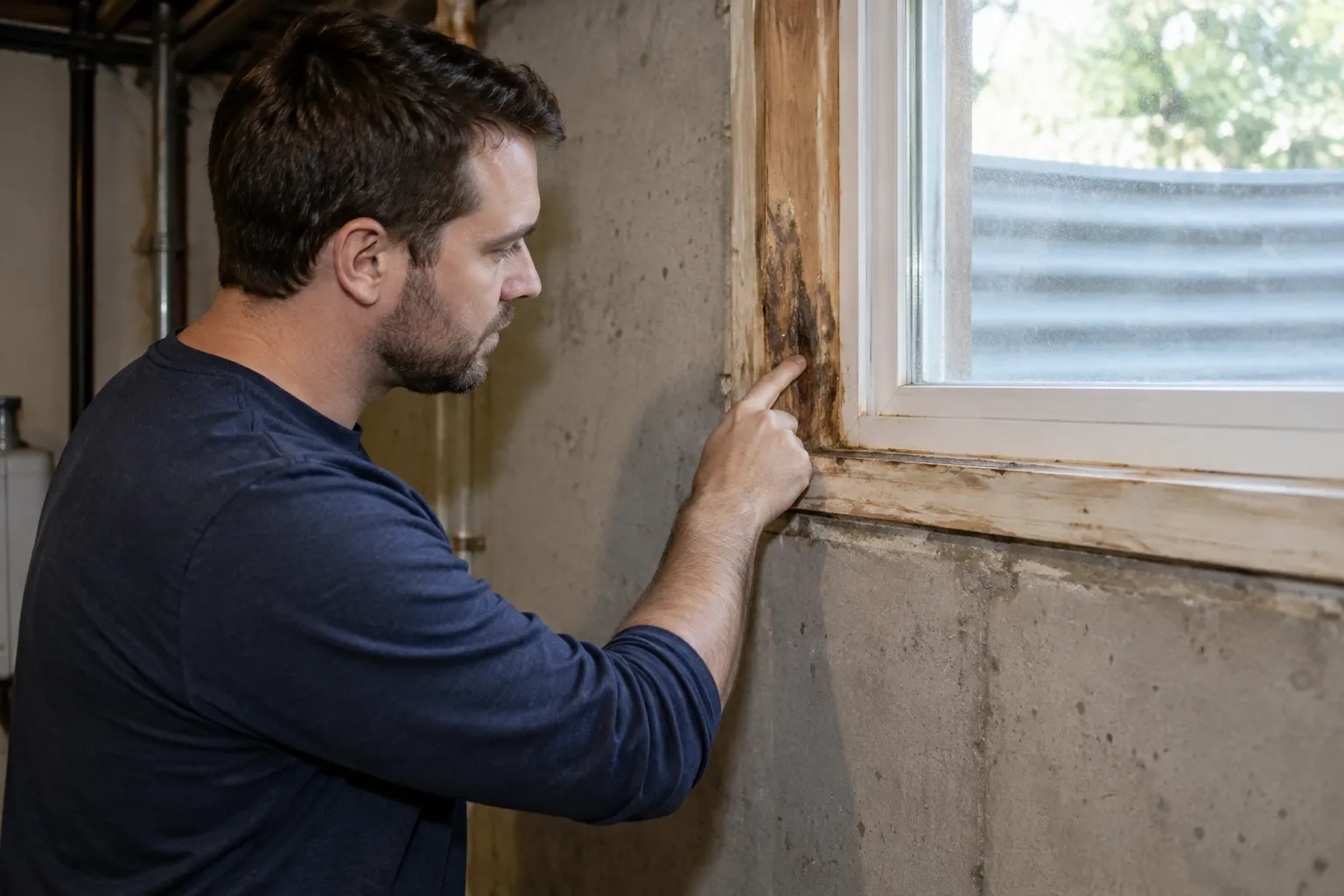
Request a professional inspection when you see fresh-looking mud tubes, discarded wings, live insects, or new damage—or when you cannot tell whether wood damage is active. These clues are not a diagnosis: old damage can remain visible, and termites may be hidden. Photograph what you can see, note where and when you noticed it, and avoid opening or probing the material. An inspection can assess the property and help determine appropriate next steps.
What visible signs can—and cannot—tell you
Termite evidence can be easy to misread because much of the activity may be concealed inside wood or behind a surface. A mud-like tube on a foundation, wall, or wooden element can be a clue worth documenting. Discarded wings near a window or light source may also merit attention, particularly if you find several in one area. Neither clue, on its own, tells you exactly when activity occurred or whether it is continuing.
Wood that looks hollowed, blistered, or damaged can have more than one explanation. Moisture, wear, previous repairs, and other wood-damaging pests may create confusing signs. Even if damage appears dry or old, its appearance alone cannot establish whether termites are still present elsewhere. Avoid treating a photo or a single visual clue as a confirmed identification; a professional needs to assess the specific property and accessible areas.
- More reason to request an assessment: live insects, newly noticed wings, a tube that appears recently disturbed, or changes that continue to appear.
- Still uncertain: old-looking damage with no recent observations, an isolated mark, or a clue that could have another cause.
- Useful either way: record the location, date noticed, nearby conditions, and whether the sign changes.
A clue can justify an inspection without proving active termites.
A practical comparison: recent clues and old damage
Use this comparison to decide what to report, not to diagnose the building. A sign that seems recent may increase the value of a timely inspection, but only an on-site assessment can evaluate the context. Conversely, a lack of visible activity in one spot does not establish that other areas are clear. The goal is to share observations accurately and let the inspection determine what they mean.
For example, imagine finding a small cluster of wings beside a basement window and a discolored patch on a nearby wooden trim. Photograph both from a distance, note when you found them, and mention whether the patch was already there. This is an illustrative scenario, not evidence of a particular infestation. The inspector can consider the separate clues together rather than relying on a guess based on one mark.
| Observation | What it may suggest | Useful next step |
|---|---|---|
| Live insects or newly noticed wings | Possible recent activity; identification still matters | Take a clear photo if possible and request an assessment |
| Mud-like tube or a visible change | A clue that deserves context and inspection | Record its exact location and when you noticed it |
| Old-looking damage with no known change | Could be historic, but appearance cannot confirm that | Share its history and ask whether an inspection is appropriate |
| No visible signs in the area you checked | Does not establish the condition of hidden or unobserved areas | Mention any other concerns or past observations |
Describe what you observed; leave identification and activity assessment to the inspection.
What to document before contacting a provider
A concise record helps a provider understand the concern and discuss which areas may need attention. Note the room or exterior location, the surface involved, when you first noticed the sign, and whether it has changed. If you know of a previous repair or treatment, include that history without assuming it explains what you see now. In a shared building, identify the unit and any nearby common area involved.
Photographs can preserve a useful reference, especially when taken from a few angles with the surrounding area visible. Keep them as observations rather than labels: “small wings beside the window on Tuesday” is more helpful than “active termites confirmed.” Do not pull apart tubes, scrape surfaces, or probe damaged wood to test it. If the area is difficult to reach, simply note that and ask whether it needs to be accessible for an inspection.
- Exact location, including room, floor, exterior side, or shared area.
- What you saw, when you noticed it, and whether it has changed.
- Photos taken without disturbing the material, if available.
- Known history of repairs, prior inspections, or previous treatment.
- Access details, including who can authorize entry to shared spaces.
Clear observations are more useful than a homeowner’s guess about the cause.
When to request an inspection and what to ask
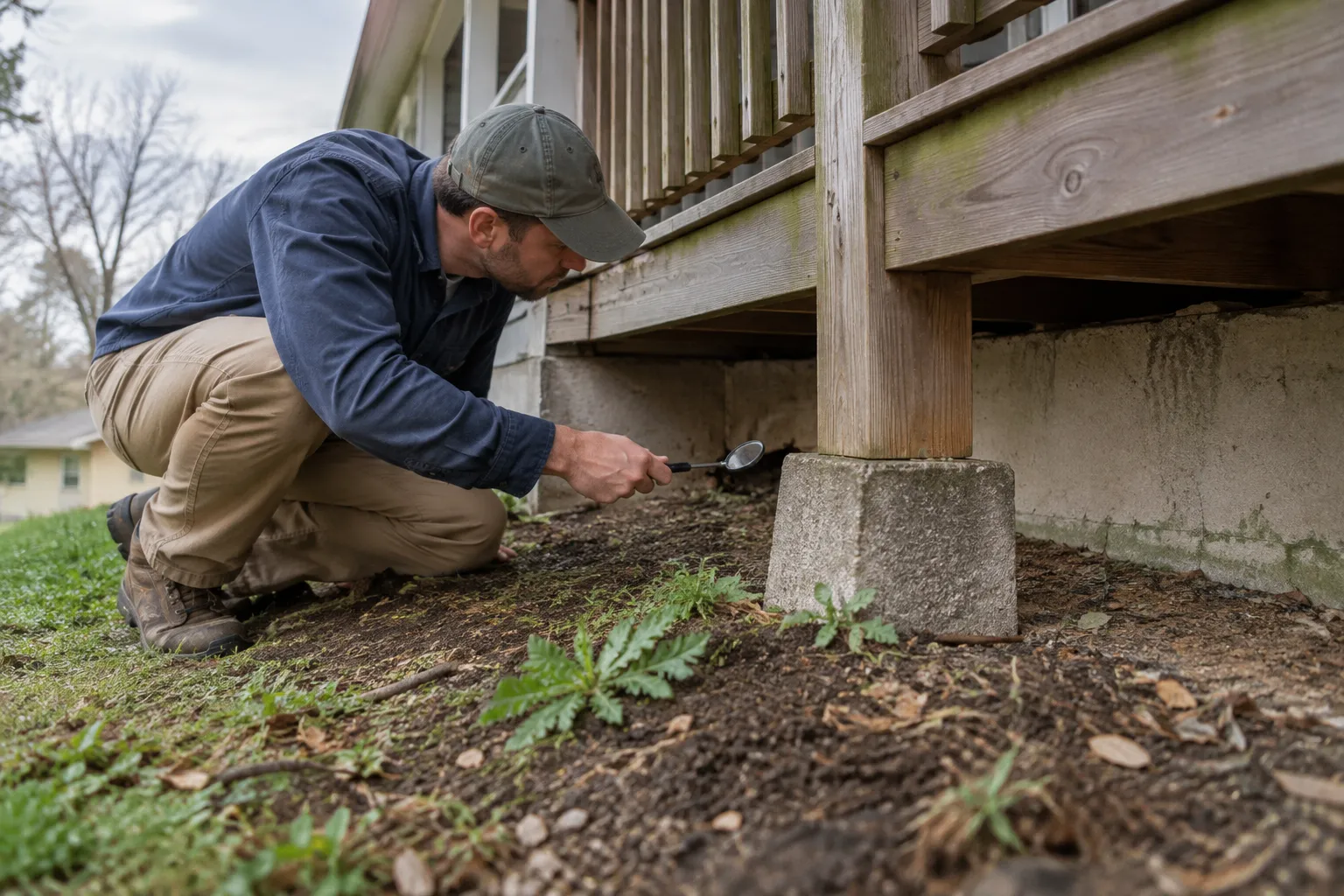
Contact a pest professional when you find live insects, repeated or newly appearing clues, visible tubes, or damage whose cause is unclear. It is also reasonable to ask about an inspection if you have a history of termite concerns or want a qualified person to assess a suspicious area. You do not need to prove that termites are present before asking. The inspection’s scope and any proposed treatment depend on the property and what the assessment finds.
When you reach out, explain what you observed and where, then ask which spaces may need to be accessible. Ask how the provider distinguishes possible current activity from older damage, what the inspection covers, and how findings and next steps will be explained. If treatment is proposed, request a clear description of the method, preparation, and any follow-up relevant to that plan. Multi Pest provides termite control and property-specific pest assessments in its service area; Hempstead property owners can use the service page to describe their concern and request an estimate.
- Share the address, affected area, observations, and any known history.
- Confirm which rooms or exterior areas should be accessible and who will arrange access.
- Review the inspection findings and ask what is known, what remains uncertain, and what options are proposed.
- Before any work, discuss the treatment scope, preparation, and follow-up for the specific property.
An inspection is a way to clarify uncertain signs, not a promise of a particular finding or treatment.
Common questions
Can old termite damage look active?
It can be difficult to tell from appearance alone. Damage may remain visible after activity has stopped, while current activity may be concealed elsewhere. A photograph or visual check cannot reliably establish timing or confirm the cause. Record what you see and any known repair or treatment history, then ask a professional whether an inspection is appropriate.
Should I remove a tube or test damaged wood?
No. Avoid disturbing a suspected tube or probing, scraping, or opening damaged material. Those actions can alter the evidence and still will not confirm whether termites are active. Take a photo from a safe, accessible position, note the location, and share the observation when arranging an assessment.