
Termite Control: What to Ask When an Inspection Finds No Clear Activity
A termite inspection that finds no clear activity can still leave useful questions unanswered. Learn how to clarify what was checked, what the findings do and do not mean, and whether monitoring or another assessment makes sense.
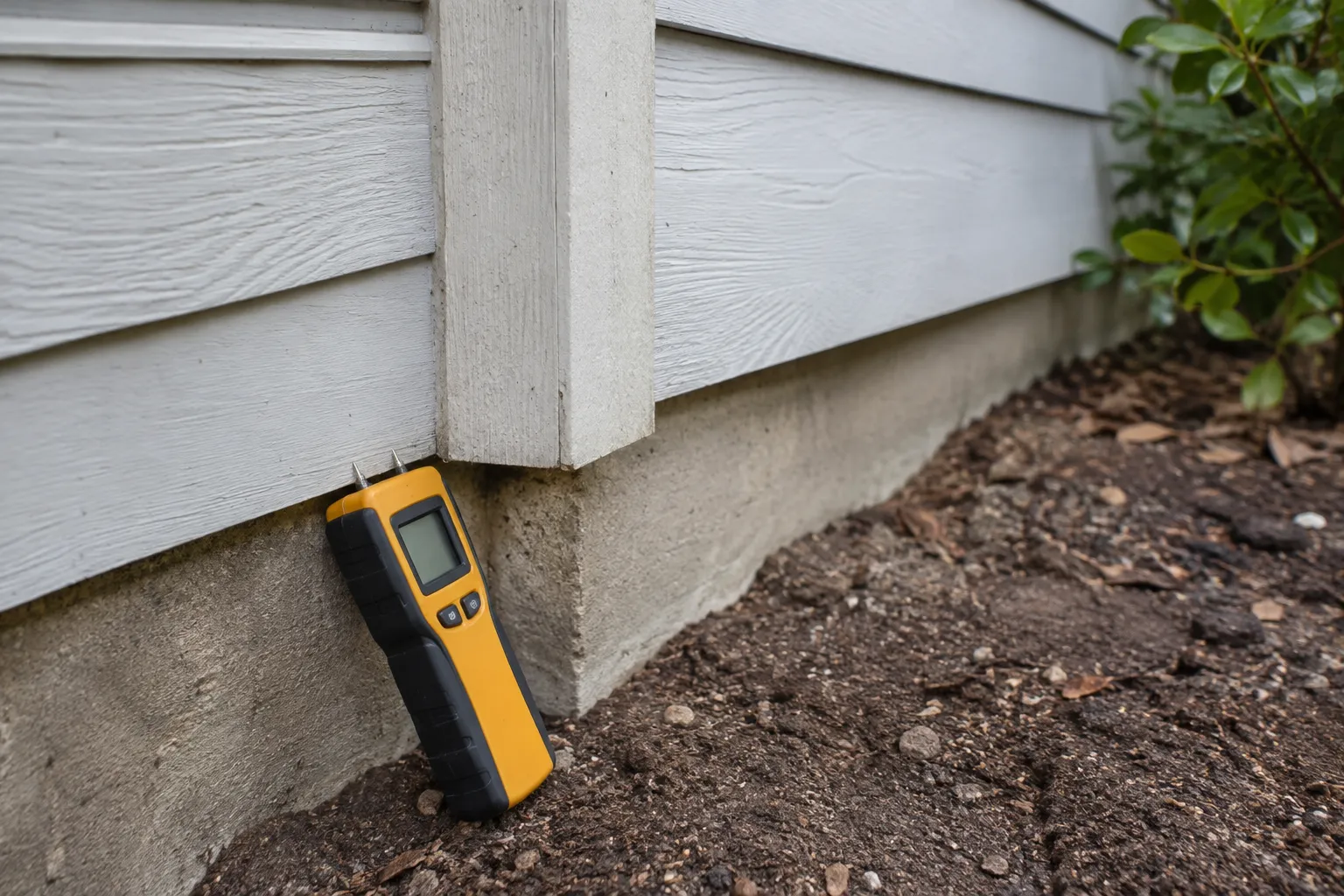
Ask the inspector to explain what areas were accessible, what signs were observed, and what “no clear activity” means for this particular property. Then ask whether any limitations, unresolved observations, or changes you have noticed call for monitoring or another assessment. A finding of no clear activity describes the inspection’s observations; it does not establish that every concealed area was examined or that future activity is impossible. Request a plain-language summary and a specific reason for any suggested follow-up before deciding what to do.
Clarify what the inspection covered
Start by asking the inspector to walk you through the scope: which parts of the property were examined, which were not accessible, and whether the visit focused on a particular concern or covered the property more broadly. The answer may depend on the inspection arrangement and the conditions at the time. A quick explanation helps distinguish “no visible evidence in the areas checked” from a broader conclusion about the entire building.
Ask what observations informed the conclusion. For example, did the inspector see any signs that were consistent with termite activity, or were the marks, debris, or changes you pointed out not conclusive? Ask which observations were relevant and what other explanations might fit. You do not need to diagnose the material yourself; the goal is to understand how the inspector reached the assessment and what remains uncertain.
- Which rooms, exterior areas, or accessible spaces were checked?
- Were any areas inaccessible or outside the agreed scope?
- What specific signs were observed, and what did they suggest?
- Can I receive a written summary of the findings and limitations?
A useful inspection summary identifies both what was checked and what could not be assessed.
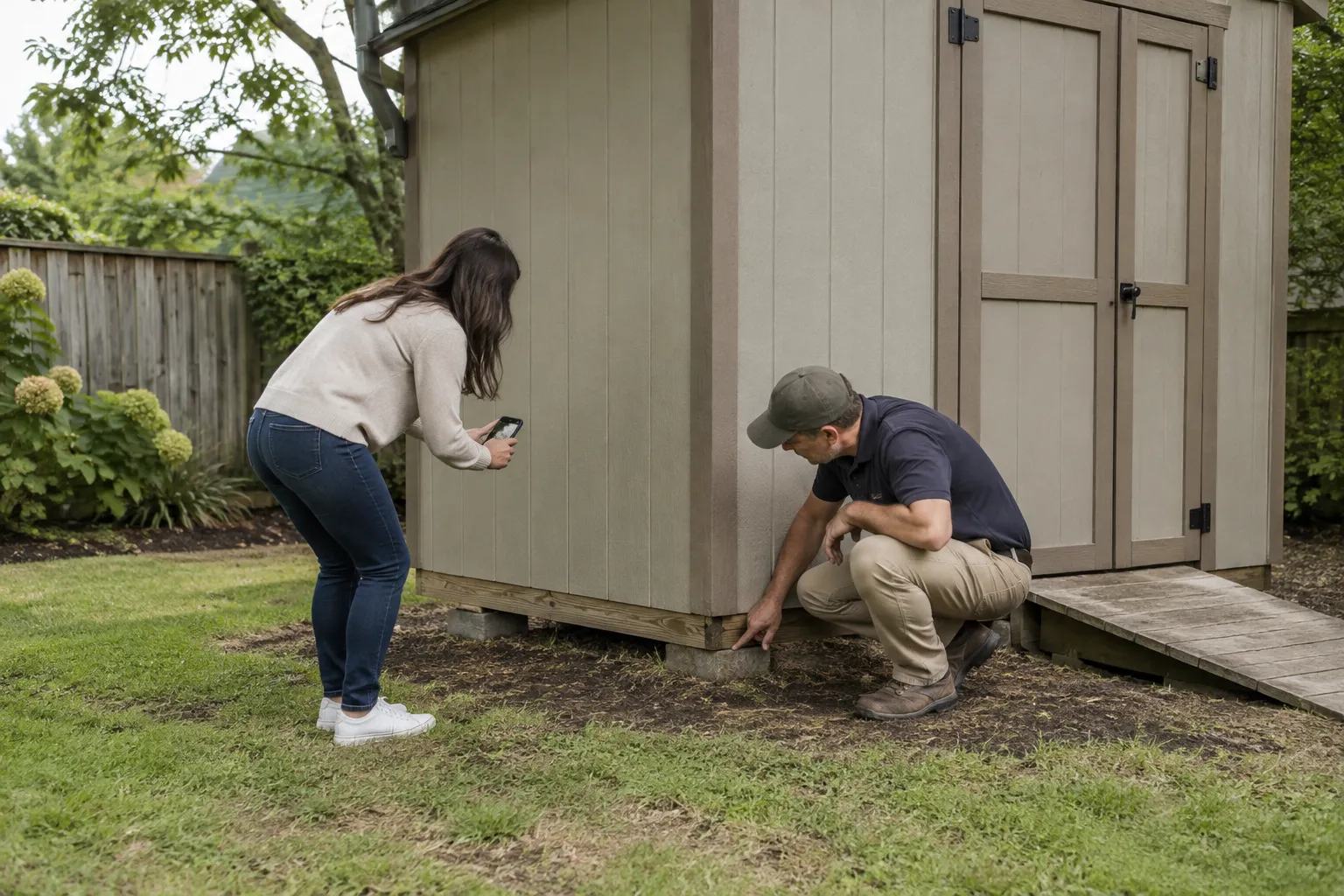
Understand what a quiet inspection can and cannot tell you
Keep the distinction between “not confirmed” and “ruled out” clear. If the explanation is unclear, ask the inspector to restate the conclusion in everyday language and describe what evidence would change it. You can also ask whether the assessment is limited to visible conditions or includes other agreed inspection methods. The answer should be specific to the actual visit; avoid treating a general description of termite inspections as proof of what happened at your property.
Ask for the limits of the actual inspection, not a blanket statement about all possible hidden conditions.
Decide whether monitoring or another assessment is reasonable
For a multi-unit property, coordinate with the owner or manager if access to shared or neighboring areas could affect what can be assessed. Clarify who can authorize access and how findings will be communicated to the people responsible for the property. This is practical coordination, not a conclusion that activity exists elsewhere. If the concern is limited to one unit, explain that clearly while asking whether any related areas fall within the agreed scope.
Choose follow-up based on an identified gap or unresolved observation, not uncertainty alone.
Prepare a focused follow-up conversation
Before contacting the provider, gather the inspection date, the written summary if available, and a short description of the concern that led you to request the visit. Note the location of any change and when you first noticed it. If you have photographs, label them with the date and location; use them to show what changed, not to make a diagnosis. Keep the original images and avoid altering the area just to produce a clearer picture.
Then ask for the next step in concrete terms: what would be checked, what question it is intended to answer, and whether there are alternatives such as observing and reporting a change. If a treatment is proposed despite no clear activity being found, ask what evidence supports it, what the proposed work includes, and what follow-up would look like. You can request time to review the explanation. A clear scope makes it easier to compare recommendations without assuming that every property needs the same response.
- Write down the concern, its location, and when you first noticed it.
- Ask for the inspection scope, findings, and any access limitations.
- Request the reason, scope, and purpose of each proposed follow-up.
- Agree on what change to report and how to share it.
A concise record and specific questions can turn an inconclusive visit into a clearer decision.
Common questions
Does “no clear activity” mean termites are absent?
Not necessarily. It means the inspection did not establish clear activity within its scope and conditions. Ask which areas were accessible, what was observed, and whether any limitations leave a particular question open. The phrase alone cannot describe every concealed area or predict future conditions. A provider should explain the conclusion in relation to the actual property and visit.
What should I do if I still have a concern?
Share the location and timing of what you noticed, along with the inspection summary if you have it. Ask whether the area was examined and what additional access or information could help. If the provider suggests monitoring or another assessment, ask what it would clarify and what change should prompt you to follow up. Keep the decision tied to the specific unresolved concern.