
Westbury Rodent Control: How to Choose Which Exterior Areas to Include in an Inspection
A practical guide to choosing exterior areas to discuss during a rodent inspection in Westbury. Learn how to describe activity near doors, utility openings, foundations, vents, and other transitions without assuming that every gap is an active entry point.
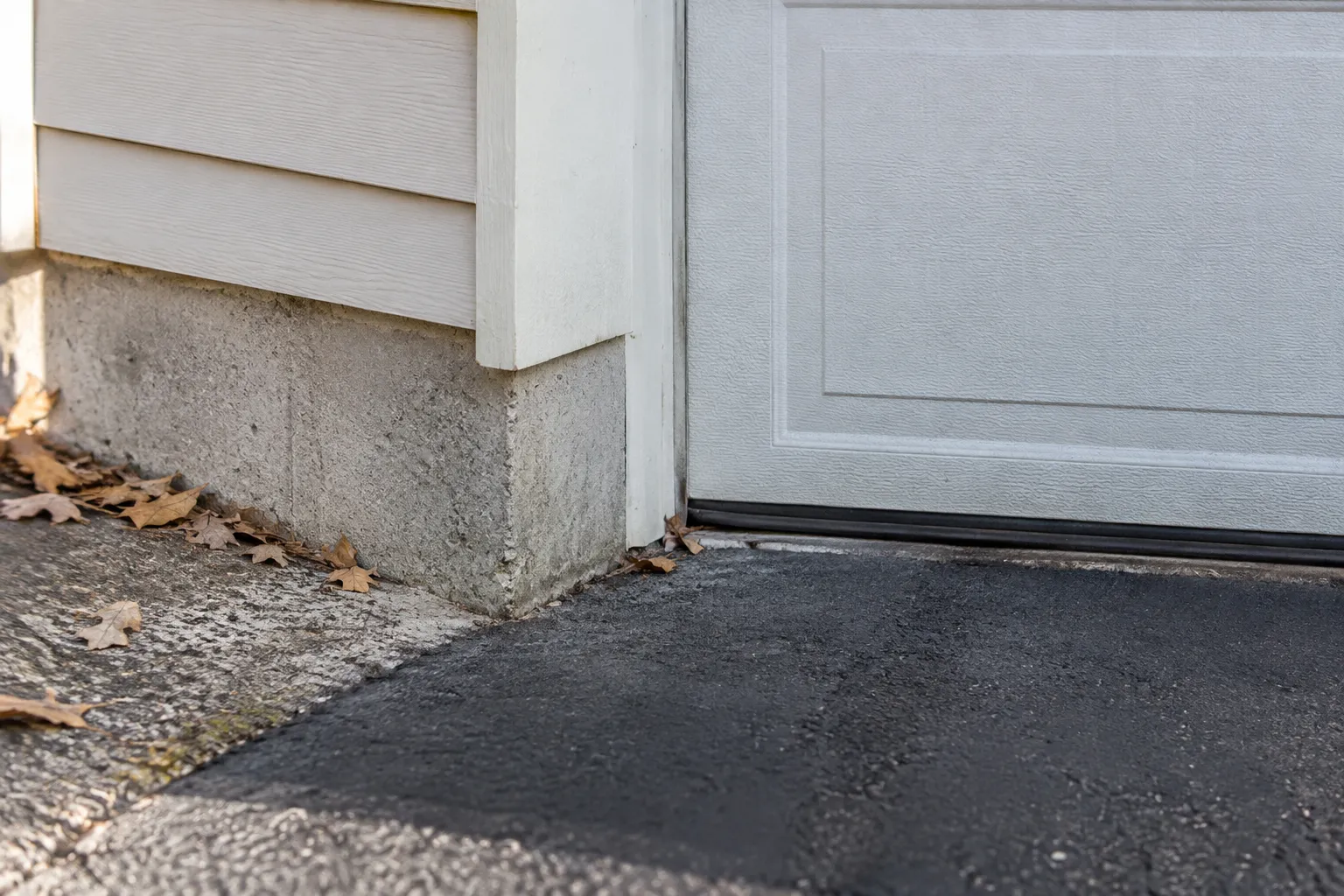
For a rodent inspection, include exterior areas that connect indoor activity to a possible route inside: doors and garage edges, utility openings, vents, foundation transitions, and accessible roofline details. Prioritize places near where you have noticed activity, but treat them as observations—not proof of an entry point. Share what you saw, where and when it happened, and ask the provider which areas are accessible and relevant to the inspection. In Westbury, the Village’s stormwater program identifies the community as within the Long Island Sound watersheds. That local context makes it useful to mention any recurring water or drainage conditions near a suspected route, while keeping the inspection focused on rodent evidence and building access.
Start with the indoor clue
Exterior inspection priorities are easier to discuss when you connect them to a specific indoor observation. Note the room or area where you saw a rodent, heard movement, or found signs that you want assessed. Record the date or approximate time and whether the observation happened once or more than once. A simple description is enough; you do not need to identify the species or determine how it entered.
Then consider what lies outside that part of the building. A kitchen wall, utility room, garage, or storage area may have a nearby exterior transition worth asking about. The relationship is a lead for discussion, not a diagnosis: rodents can move through concealed spaces, and an exterior opening may be unrelated to the indoor activity. If you cannot tell which side of a wall corresponds to the indoor location, say so rather than guessing.
- Indoor location and the date or approximate time of the observation.
- Whether activity seemed isolated or appeared again, and what changed.
- Nearby exterior features you can identify without moving equipment or entering restricted areas.
Choose exterior areas by connection and access
Begin with the building’s ordinary transitions: the edges of exterior doors and garage doors, gaps or openings around utility lines, vents, and places where different materials meet near the foundation. If the indoor clue is near an upper floor or attic, ask whether accessible roofline details are relevant. These are categories to discuss, not a claim that every property has a problem in each location.
Access matters. A provider may need to distinguish areas that can be viewed safely and directly from locations that are blocked, elevated, enclosed, or part of a shared building. Describe what you can see from a normal, accessible position. Do not climb, dismantle fixtures, or alter a suspected opening to make it easier to inspect. Ask the provider to explain any limits on access and whether another qualified professional would need to assess a building repair.
| Area to discuss | Useful observation | Question for the provider |
|---|---|---|
| Doors and garage edges | Where the indoor activity is relative to the entrance, and whether you have noticed a visible gap. | Can this edge be included in the inspection, and what would you look for? |
| Utility openings and vents | Which opening is nearby and whether it is visible from an accessible position. | Is this opening relevant to the reported activity, or does it need a different assessment? |
| Foundation or roofline transitions | The approximate location and any visible signs you want reviewed. | Is this area accessible, and what parts of the building are outside the inspection scope? |
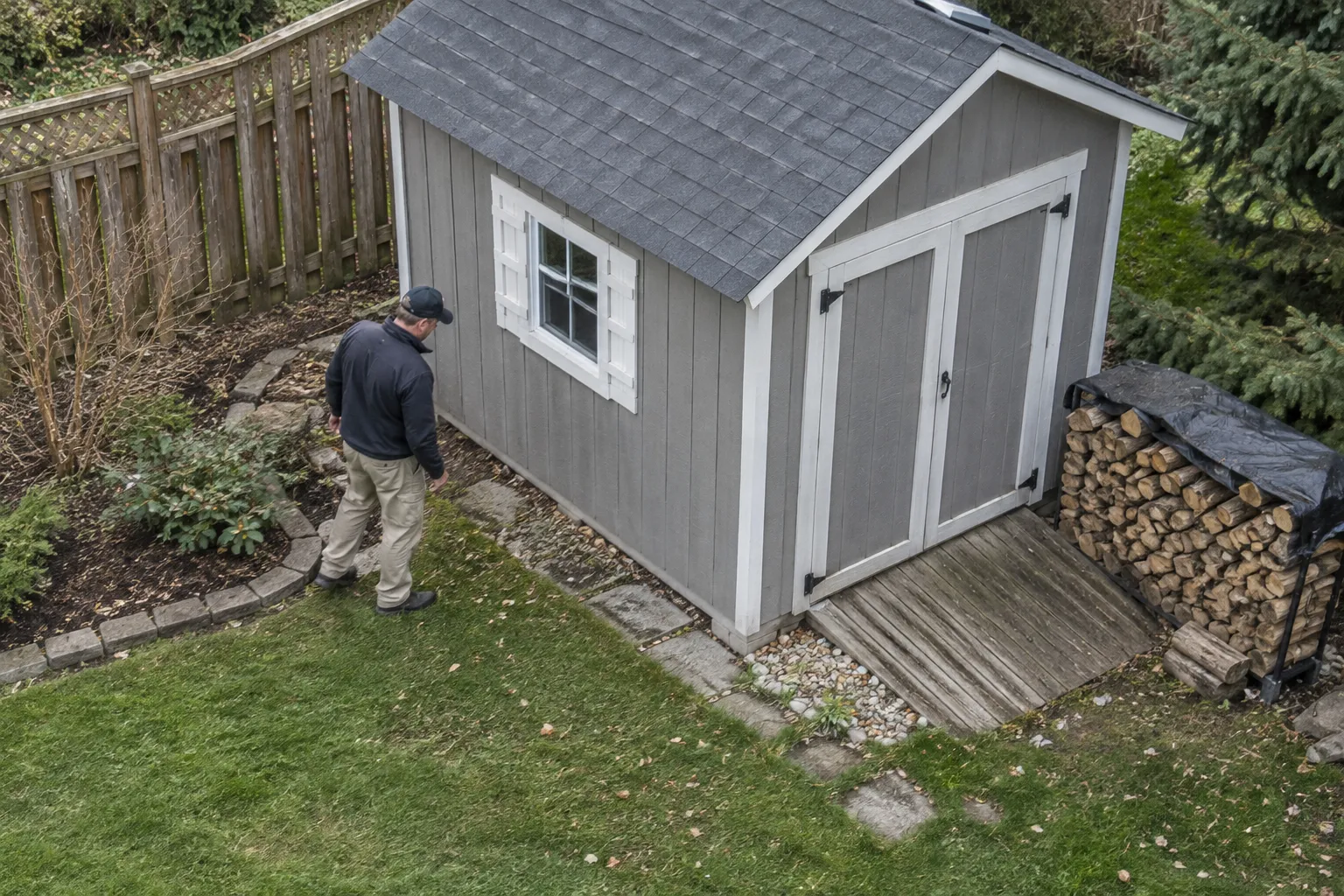
Describe conditions without drawing conclusions
Use neutral language: “I noticed activity indoors near this wall, and there is a utility opening outside nearby.” Avoid saying that a particular gap is the entry point unless a professional has assessed it. A visible opening can be a possible vulnerability, but its relevance depends on the building, the evidence, and whether the area can be inspected.
Mention recurring water or drainage conditions if they occur near the area you want discussed. Westbury is within the Long Island Sound watersheds identified in the Village’s stormwater program, so noting a recurring drainage condition can help the provider understand the setting around a suspected route. It does not establish that stormwater caused rodent activity or that a particular opening is active. Keep the observation specific: where water collects or flows, when you notice it, and whether it is close to the area of concern.
If you manage a multi-unit property, clarify whether the observation is inside one unit, in a shared space, or outside. Ask who can provide access to shared or restricted areas and whether the inspection is limited to your unit or includes other agreed areas. The scope should reflect the property and the request; an article cannot determine access arrangements or identify a responsible party for a particular building.
Clarify the inspection scope before scheduling
When requesting an assessment, give the property location, the pest concern, the indoor observation, and the exterior areas you want discussed. Ask what the inspection may cover, which locations need to be accessible, and whether the provider will distinguish likely active routes from other possible vulnerabilities. The inspection findings and suitable next steps depend on the property, the evidence, and access.
Also ask what happens if a suspected opening is found. Inspection, pest control, temporary barriers, and permanent building repairs are not automatically the same scope of work. Confirm what is included in the proposed service and whether a separate building professional may be needed for a lasting repair. Do not assume an opening should be closed before the activity and proposed sequence have been assessed; the appropriate approach depends on the findings.
For service information, review the company’s rodent control service details. To request an estimate, share the town, where activity has been observed, and which exterior areas you would like discussed. A provider can then explain availability and the proposed scope; the inspection may identify different priorities than the initial observations suggest.
- Describe the indoor observation and its location.
- List nearby exterior transitions you want the provider to consider.
- Mention recurring drainage conditions only when they are relevant to the area.
- Ask about access, inspection limits, and what any proposed work includes.
Choose exterior areas by how they relate to observed activity and whether they can be assessed—not by assuming every visible opening is an active entry point.
Common questions
Should I include every visible gap?
Mention visible openings that are near the reported activity or that you specifically want reviewed, but do not treat every gap as an active rodent route. Ask the provider which openings appear relevant after considering the evidence and building layout. Some areas may be inaccessible or may need a separate building assessment. The inspection scope should make those limits clear.
What should I share when requesting an inspection?
Share the property location, where and when you noticed activity, whether it recurred, and which exterior areas seem nearby. Note any access limits or recurring drainage conditions relevant to those areas. You can ask what the inspection includes and what information or access is needed. These details help frame the request, but they do not determine the findings in advance.