
What Information Helps a Pest Control Provider Plan a Property Inspection?
A practical guide to sharing useful property details before requesting a pest control inspection: what you noticed, where and when it happens, which areas may be relevant, and what access or scheduling constraints to mention. These details help a provider discuss an inspection suited to the request, but they do not identify a pest or replace an on-site assessment.
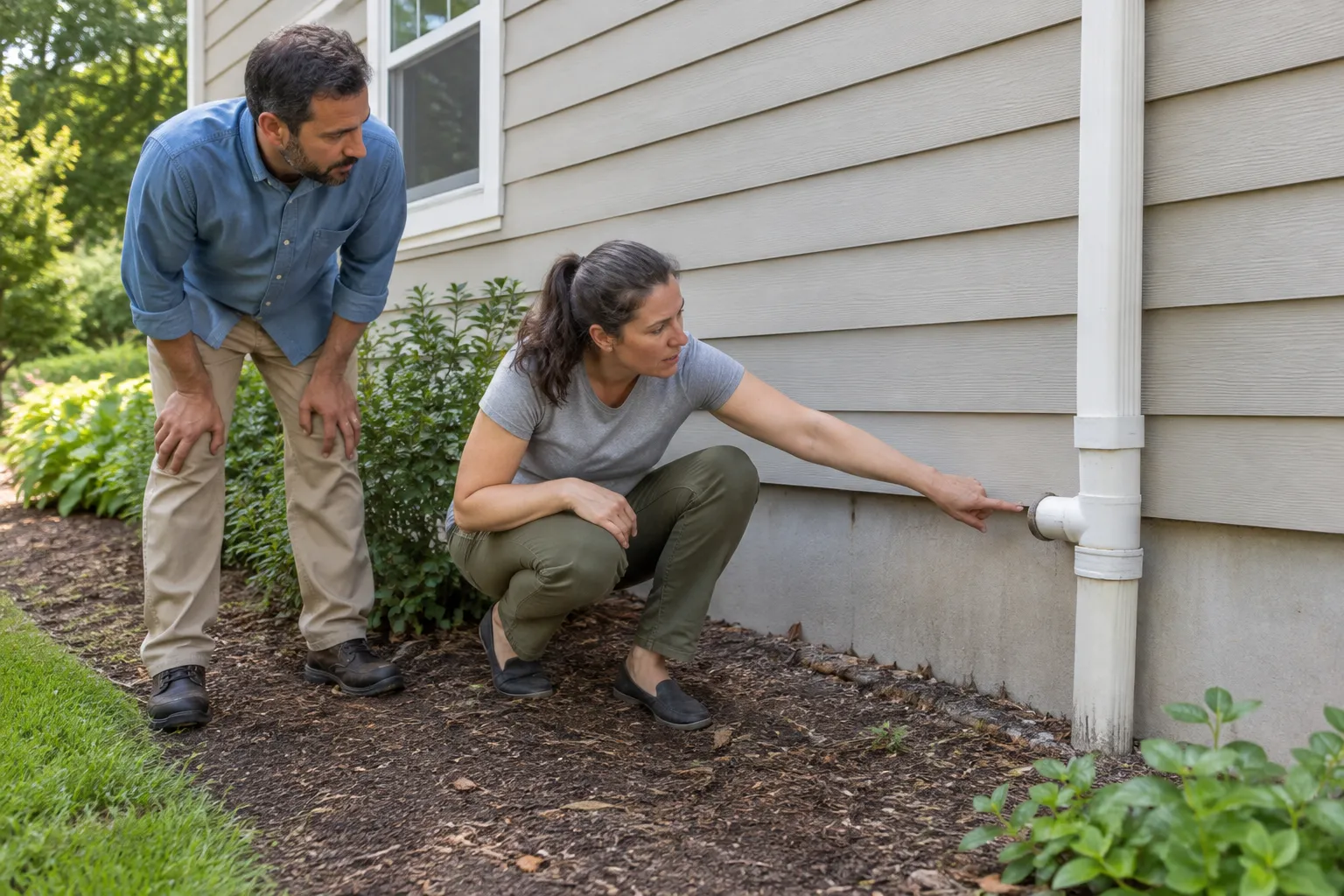
To help a pest control provider plan a property inspection, share what you observed, where and when it occurred, which areas are affected, and any relevant property or access details. Photos, a simple location list, and questions about the inspection can make the initial discussion more specific. These details guide planning; they do not confirm the pest or determine the right treatment before an assessment.
Describe the observation, not a diagnosis
Start with what you directly noticed: an insect, droppings, damaged material, a sound, or another sign. If you are unsure what it is, say so rather than naming a pest as a certainty. A brief description of size, color, shape, or movement may help the provider understand your concern, but appearance alone may not establish an identification. If you have a clear photo taken from a comfortable distance, you can offer it as context; do not handle an unknown insect or disturb a suspected nest to get a better image.
Explain whether the observation was a single event or something you have noticed more than once, and give approximate dates or times if you remember them. Mention whether it appeared in one place or several, and whether the pattern seems to have changed. You do not need a perfect log: a few accurate notes are more useful than guesses. For example, “small insects near the kitchen window on two evenings this week” is more informative than “there are bugs everywhere,” while still leaving identification to an inspection.
Map locations and relevant areas
Name the room or part of the property where you saw activity, then note nearby areas that may help orient the inspection. Useful descriptions include “under the sink,” “along the basement wall,” or “near the rear entrance.” If you have noticed activity in more than one room, list each location separately instead of combining them into a general statement. A simple floor plan with circles or labels can help, but a written list is enough. Distinguish between a place where you saw a sign and a place you suspect may be connected.
Mention the property type and any details that affect how the space is arranged, such as an apartment, detached home, storefront, or shared building. If you know that a basement, attic, utility room, storage area, or exterior section may be relevant, note it and say whether it is accessible. Do not assume every area will be included in the inspection; ask the provider which locations they need to assess. In a shared property, clarify which rooms are yours and whether a manager or another occupant may need to coordinate access.
- Write down each observed location and what you noticed there.
- Mark areas you are concerned about separately from confirmed observations.
- Note any relevant rooms or exterior areas and whether they can be accessed.
Share context that may shape the visit
Tell the provider when you first noticed the concern and whether anything has changed since then. Relevant context might include a recent move, renovation, delivery of furniture, change in how a room is used, or recurring moisture you have observed. These details are background, not proof of a cause. Avoid trying to explain the pest activity as a fact unless it has been confirmed. If you have already contacted another provider or received an inspection, you can summarize what was checked and share any written information you have, while making clear what remains unresolved.
Mention practical access and scheduling needs early. For example, say whether the property has a shared entrance, whether someone must meet the inspector, or whether certain rooms are normally locked. If you rent or manage the property, check who can authorize access and coordinate with the relevant occupants before setting a visit. Do not promise access to areas you cannot open. If the request concerns a business, note operating hours or customer-facing areas that may affect when an inspection can be discussed.
Ask what the inspection will cover
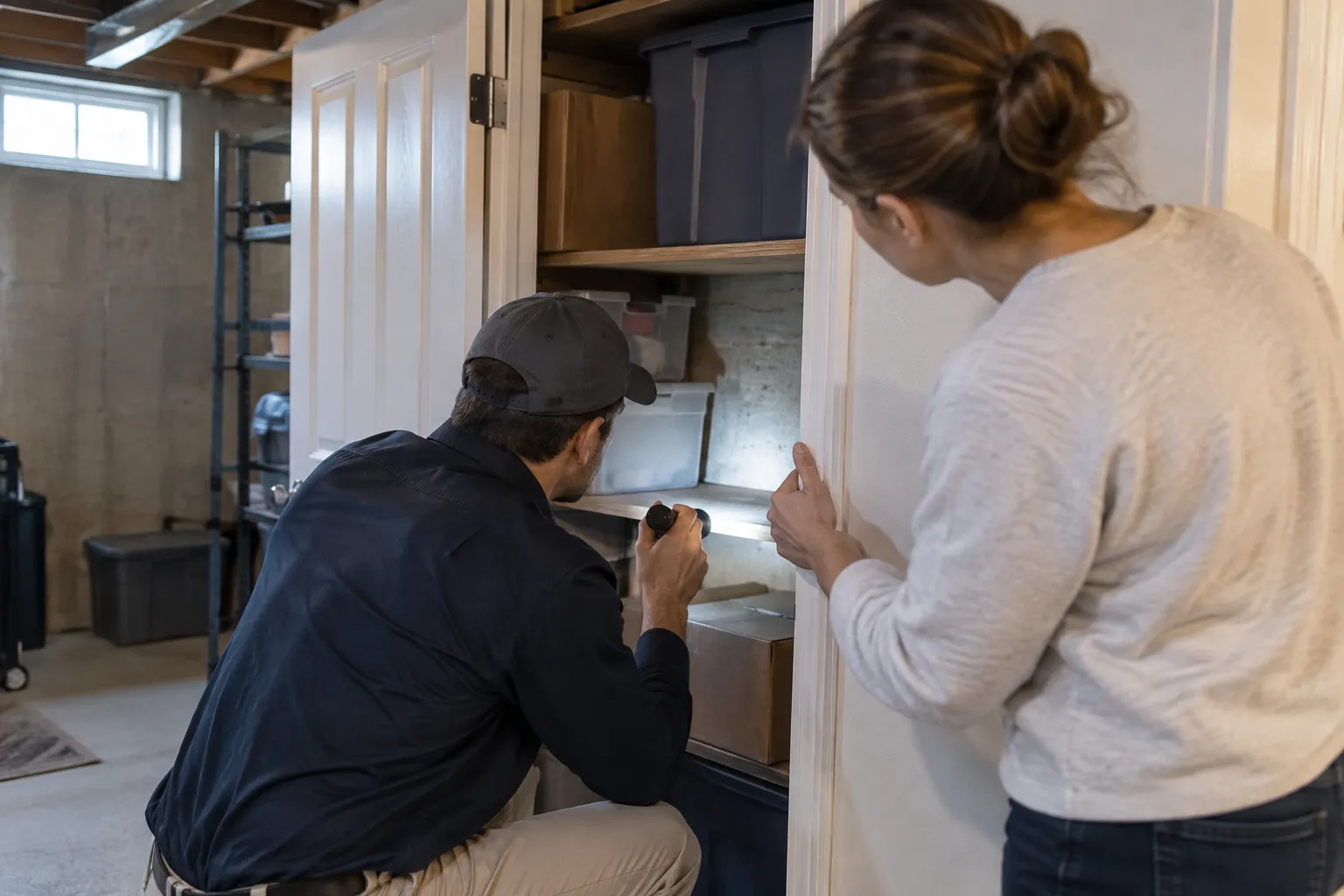
Before arranging a visit, ask what the provider needs to know, which areas they expect to inspect, and whether any preparation is appropriate for your situation. Ask how the inspection findings will be explained and what information you will receive afterward. If treatment is discussed, ask how the proposed work relates to the observations and what preparation or follow-up may apply. The scope depends on the property and concern, so an initial conversation cannot settle every detail. Multipest New York offers residential and commercial pest control; you can review its pest control services and describe the issue when requesting an estimate.
If you are contacting a provider about a particular pest, keep your notes focused on that concern without assuming the solution. For suspected termite activity, for instance, record the location and visible change and ask which areas can be assessed; an article or photograph cannot establish whether activity is current. For rodents, note where signs appeared and ask what parts of the property may be relevant to the inspection. The provider can discuss the appropriate next step after considering the request and property. Results and recommendations vary with the circumstances.
- Prepare a short description of the observation and when you noticed it.
- List affected locations, relevant property details, and any access constraints.
- Share available photos or records without treating them as a diagnosis.
- Ask what the inspection includes and what preparation, if any, is appropriate.
- After the discussion, confirm the agreed scope and any next steps.
Common questions
Do I need to identify the pest first?
No. Describe what you saw and where, and say when you are uncertain. A provider can use those observations to discuss an inspection, but the description alone may not establish the pest. If you have a clear photo, offer it as supporting context rather than a confirmed identification. Avoid handling or disturbing an unknown insect or suspected nest to collect more evidence.
What if I cannot access a room?
Mention the limitation before the visit and explain who controls access, if you know. Ask whether the inspection can proceed with the available areas or whether access should be coordinated first. Do not imply that a space will be available if it is not. The provider can clarify how the limitation affects the proposed inspection and whether another arrangement is appropriate.